
Pianist
A pianist is a musician who performs on the piano in solo, chamber, orchestral and accompanying roles across classical, jazz and popular traditions.
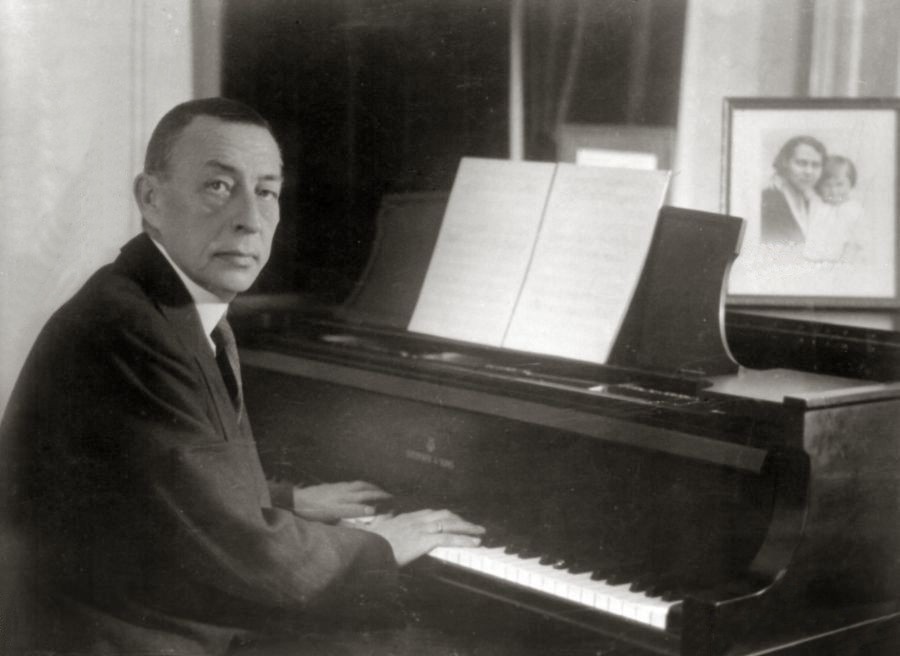
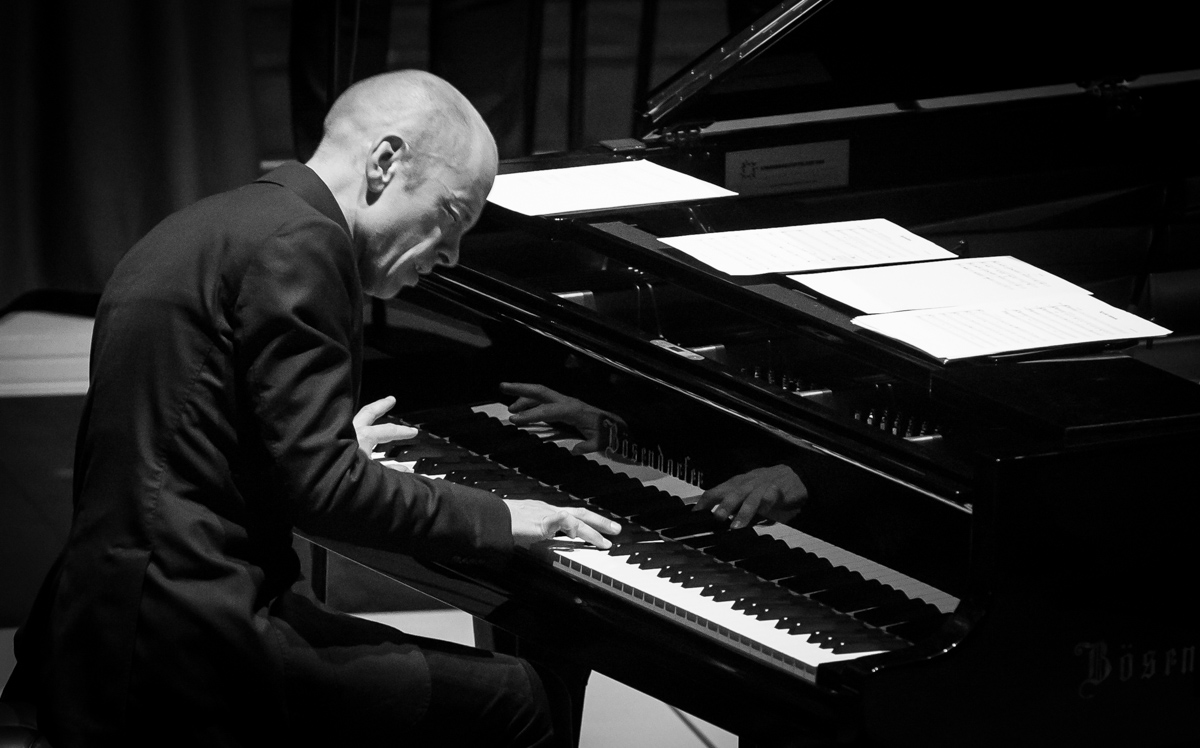
Overview — A pianist is a musician who performs on the piano. That role can range from a solo concert performer to an accompanist supporting singers or instrumentalists, to a member of a chamber group or an orchestra. Pianists appear in many musical contexts and styles, including classical, jazz, pop, and contemporary genres.
Image gallery
4 Images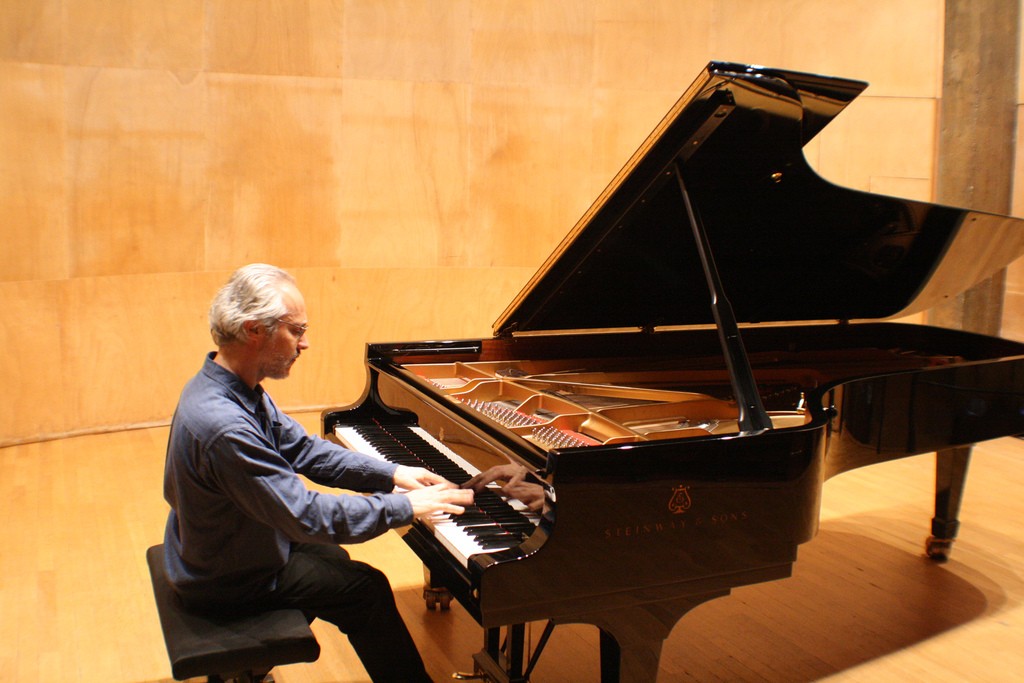

Skills and characteristics
Pianists combine technical control, musical interpretation and reading or memorization skills. Important attributes include dexterity, control of dynamics, rhythmic precision, and the ability to shape phrasing. Many pianists develop additional capabilities such as improvisation, transposition, arranging and ensemble listening, which are essential when playing with others.
Common roles and settings
Pianists work in a variety of settings: as solo recitalists, concerto soloists with an ensemble or orchestra, chamber musicians, accompanists for singers and instrumentalists, studio musicians, teachers and composers. They often act as collaborative partners for vocalists and other performers and may also serve as rehearsal pianists or repetiteurs for opera and theatre companies.
- Soloist: performs repertoire written for solo piano or concerto soloist with orchestra.
- Accompanist: supports singers and soloists in recitals and rehearsals.
- Chamber pianist: participates in small ensembles, duo or larger chamber groups.
- Studio/rehearsal pianist: works in recordings, education or theatre settings.
History and repertoire
The pianist’s role grew as the piano itself evolved in the 18th and 19th centuries. The instrument’s expanded dynamic range and expressive possibilities led composers to create a substantial solo and ensemble repertoire. Many landmark works for piano and piano with orchestra established the instrument’s central place in Western concert music. Over time, pianists also became prominent figures in jazz and popular music, where improvisation and rhythmic innovation are emphasized.
Importance and distinctions
Pianists differ by specialization and context: concert pianists focus on public performance and large-scale repertoire; chamber pianists emphasize close ensemble interaction; accompanists prioritize sensitivity and real-time support. In addition to performance, pianists contribute to pedagogy, arrangement, composition and music therapy. The variety of roles and techniques makes the pianist a versatile and influential figure in many musical traditions.
Related articles
Author
AlegsaOnline.com Pianist Leandro Alegsa
URL: https://en.alegsaonline.com/art/76683