
Biltong: South African dried meat snack — origins, preparation, and varieties
Biltong is a South African-style air-dried, cured meat snack made from beef or game. This article explains its origin, preparation, common varieties, cultural role, and how it differs from jerky.
Overview
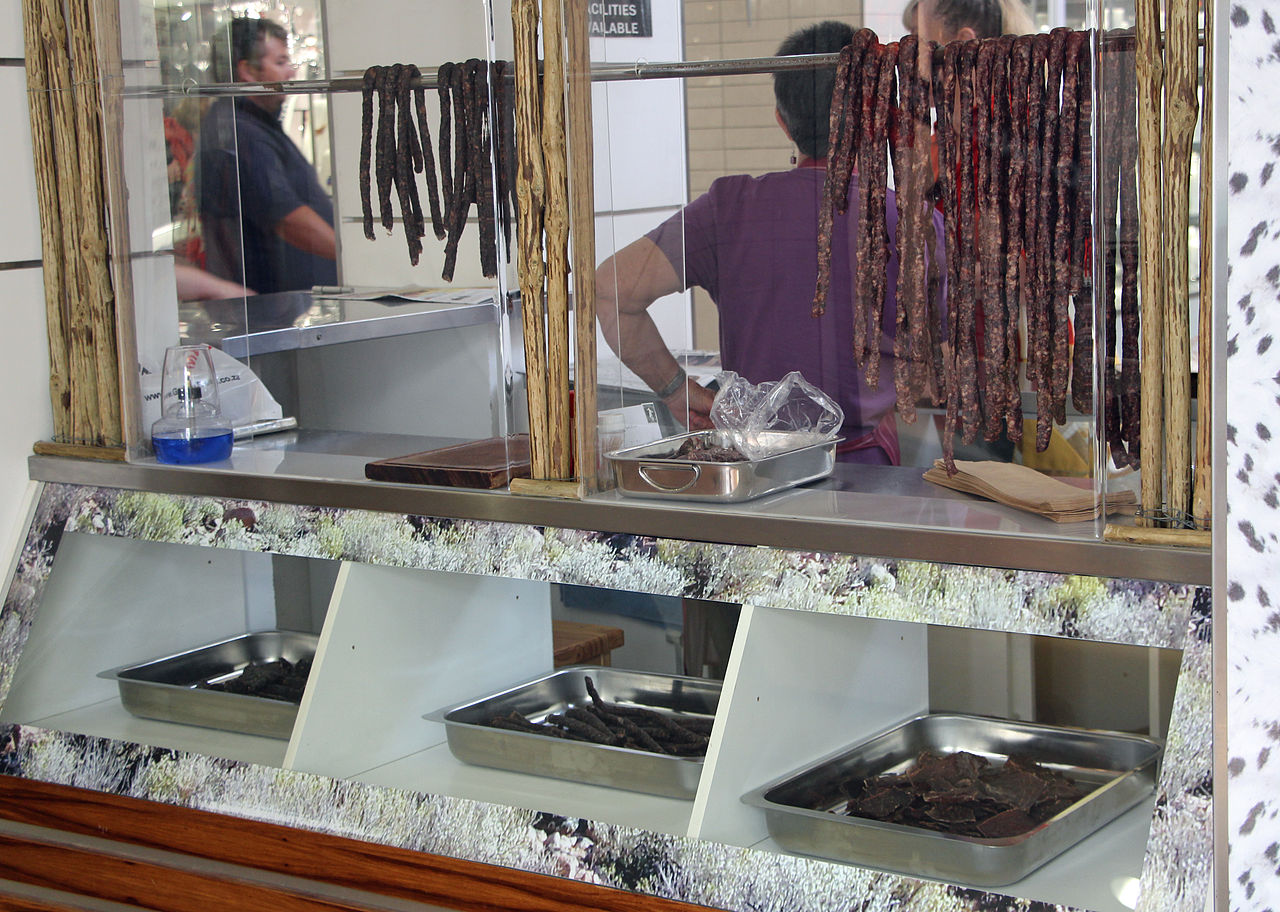
Biltong is a traditional Southern African dried and cured meat product that is eaten as a snack or preserved food. It is most closely associated with South Africa but is also common in Zimbabwe, Malawi, Namibia, Botswana and Zambia. The word derives from Afrikaans and Dutch roots: "bil" (buttock or rump) and "tong" (strip), reflecting how the meat is traditionally cut. Biltong is typically made into long, thick strips rather than thin sheets, producing a chewy, dense texture valued by many consumers.
Image gallery
10 Images


Preparation and characteristic ingredients
The essential process for making biltong involves seasoning, curing and air-drying. Meat is cut across the grain into strips or flats, then cured with a combination of salt and vinegar and rubbed with spices such as coarsely ground coriander seed, black pepper and sometimes cloves or chili. Sugar is used sparingly or omitted entirely, which distinguishes many biltong recipes from sweeter dried-meat preparations.
- Common marinades and seasonings: vinegar (often malt or apple cider), salt, coriander, pepper, optional sugar or bicarbonate.
- Drying method: air-drying in cool, well-ventilated conditions; some modern producers use controlled dehydrators or mild smoking.
- Typical cuts: strip-cut beef fillet, topside or silverside; game muscles with distinct grain.
Meat types and regional variations
While beef is the most widely produced and sold biltong today, traditional recipes often used locally available game. Examples include kudu, springbok and wildebeest. Other proteins such as chicken, fish and ostrich are also made into biltong by some producers. Regional taste preferences, spice blends and drying times create a range of textures from soft and slightly moist to firm and fully dried.
History and cultural significance
Biltong developed as a practical preservation technique before refrigeration, enabling hunters, herders and travelers to store protein for extended periods. Early European settlers adapted indigenous methods and local meats using vinegar and spices to preserve game and beef. Over time biltong moved from a subsistence staple to a widely enjoyed snack and is now a prominent element of food culture across Southern Africa—sold at markets, roadside stands, specialty shops and served at social gatherings.
Uses, nutrition and safety
Because it is concentrated meat, biltong is a high-protein, low-carbohydrate snack popular with outdoor enthusiasts and those following low-sugar diets. Proper curing with salt and vinegar combined with thorough drying reduces microbial risk, but modern production adheres to food-safety standards to ensure consistent results. Consumers are advised to buy from reputable sources and to store biltong in cool, dry conditions or refrigerate once sliced to maintain quality.
Distinctions and notable facts
Biltong is often compared with jerky, but there are clear differences: biltong is usually cut thicker, cured with vinegar and spices, and air-dried rather than being heavily smoked or mass-marinated. Traditional biltong emphasizes simple seasoning and preservation rather than sweet or highly processed flavor profiles. In recent decades, biltong producers have expanded beyond Southern Africa, adapting recipes and production methods for export markets while keeping core techniques intact.
For further reading on regional recipes, production techniques and cultural context, consult specialist sources or culinary histories focused on Southern African food traditions.
Tags
Related articles
Author
AlegsaOnline.com Biltong: South African dried meat snack — origins, preparation, and varieties Leandro Alegsa
URL: https://en.alegsaonline.com/art/11567