
Biryani — a fragrant South Asian rice and meat rice dish
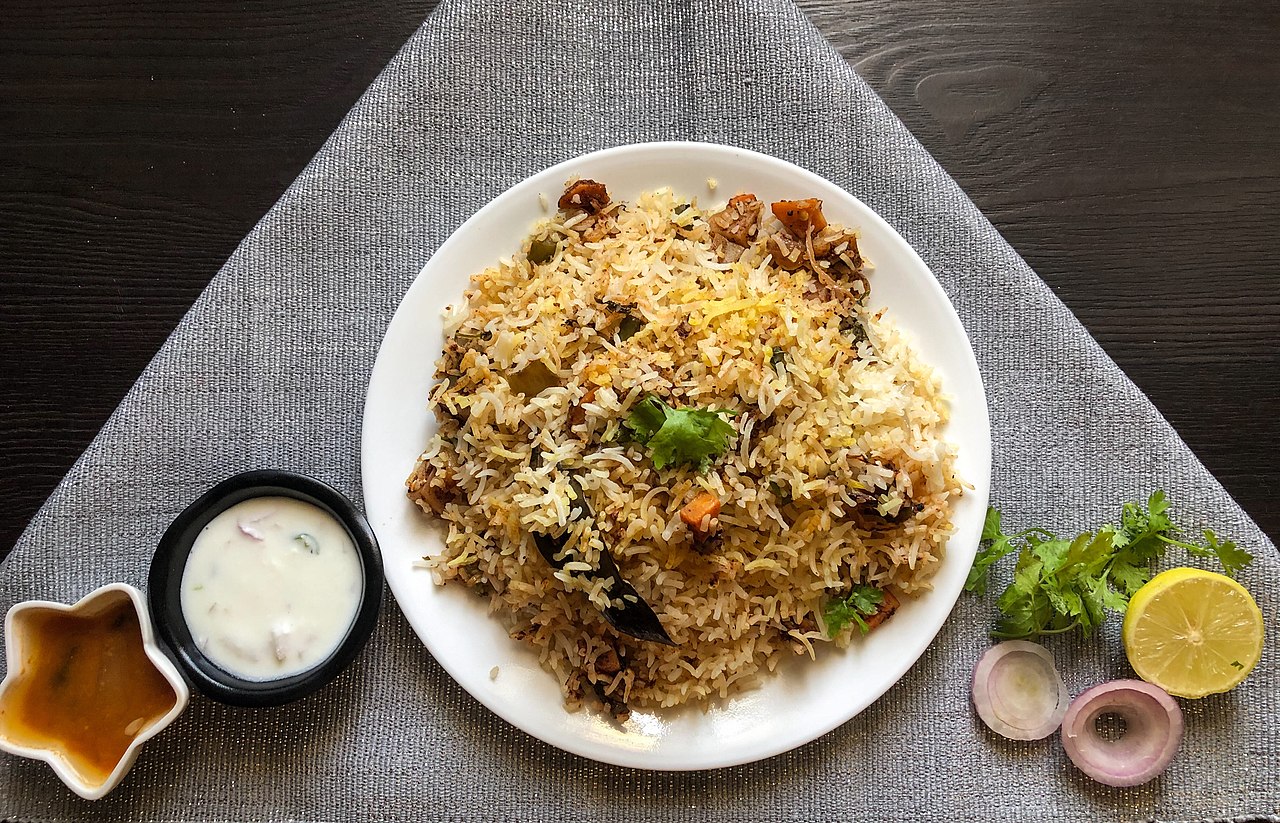
Biryani is a spiced, layered rice dish from the Indian subcontinent, prepared with aromatic rice, meat, fish, eggs or vegetables and slow 'dum' cooking; many regional variants exist.
Overview
Biryani is a family of rice-based dishes known for fragrant long-grain rice, aromatic spices and layered cooking. Typical preparations combine pre-cooked or par-cooked rice with a seasoned protein or vegetable component and finish by slow-sealing the pot to allow flavors to meld. Ingredients commonly associated with biryani include spices, rice (usually basmati), and proteins such as meat, fish, eggs or vegetables. The word itself comes from a Persian word meaning to fry or roast.
Image gallery
10 Images




Ingredients and technique
At its core, biryani rests on three elements: fragrant rice, a richly seasoned main (meat, fish or vegetables) and the spice blend that links them. Common seasonings include cardamom, cinnamon, cloves, bay leaves, cumin and saffron, often combined with ginger, garlic, onions, yogurt and ghee. The hallmark technique is layering: rice and the cooked protein are assembled in alternating strata, sometimes with fried onions, nuts or dried fruits between layers, then cooked together over low heat so steam carries aromas throughout the dish.
- Par-cooking rice and finishing it in the sealed pot (dum).
- Marinating meat or vegetables in yogurt and spices to tenderize and flavor.
- Use of saffron or food color for aroma and visual appeal.
History and origin
Biryani traces linguistic and culinary roots to Persia and Central Asia, and the dish was adapted and transformed after arriving on the Indian subcontinent. Travelers and traders from Iran and other western regions introduced layered rice-and-meat cooking methods; over centuries these techniques were integrated with local ingredients and preferences on the Indian subcontinent. In India and neighboring territories the recipe evolved into distinct regional forms that reflect local tastes, available produce and historical influences.
Regional varieties and examples
Many places have their own biryani traditions, and distinctive versions are prized by connoisseurs. Some well-known types include:
- Hyderabadi biryani — layered with marinated meat and cooked using the dum method.
- Lucknowi (Awadhi) biryani — a subtler, aromatic style associated with court cuisine.
- Kolkata biryani — lighter seasoning and often includes potatoes, a legacy of historical trade and cost considerations.
- Pakistani and Sindhi biryanis — often richly spiced and served on festive occasions.
- Regional coastal variants in South Asia and Southeast Asia that incorporate local fish or coconut-based flavors and are popular in places such as Bangladesh.
Cultural importance and occasions
Biryani is frequently associated with celebrations, weddings and communal festivals because it can be prepared in large quantities and served to many guests. In domestic and restaurant contexts it is often the centerpiece of special meals; street-food and ready-made versions have also spread widely, carried by diaspora communities to Europe, North America and the Middle East. Its adaptability—meat, poultry, seafood or vegetarian—helps make biryani a versatile choice across dietary and regional preferences.
Distinctions, serving and notable facts
Distinct from pulao (a one-pot rice and meat dish where rice and protein are cooked together), biryani emphasizes separate preparation and layering before a final joint cook. Presentation ranges from simple home-style platters to elaborate banquet versions garnished with fried onions, chopped herbs and toasted nuts. While recipes vary, the essential idea remains consistent: aromatic rice combined with a richly seasoned main and an emphasis on slow, steam-driven finishing to unify aroma and texture. For further reading on ingredients and regional recipes see sources on spices, rice varieties and historical cookery techniques via spices, rice and cultural histories such as those of Persian culinary tradition and Indian cuisine.
Questions and answers
Q: What is biryani?
A: Biryani is a rice-based dish that is made with spices, usually basmati rice, and meat, fish, eggs, or vegetables.
Q: Where did the name biryani come from?
A: The name biryani comes from the Persian word beryā(n) which means "fried" or "roasted".
Q: What is the origin of biryani?
A: The cooking method of biryani came from Iran and was brought to the Indian subcontinent by Iranian travelers and merchants.
Q: Did the recipe of biryani change after it was brought to India?
A: Yes, the recipe of biryani in India developed to its current form.
Q: Where is biryani popular?
A: Local variants of biryani are popular not only in South Asia but also in Bangladesh, Southeast Asia, Arabia, and within various South Asian communities in Western countries.
Q: What are the different ingredients used in biryani?
A: Biryani can be made with meat, fish, eggs or vegetables, along with spices and usually basmati rice.
Q: Is biryani a traditional Indian dish?
A: Yes, biryani is a traditional Indian dish.
Tags
Related articles
Author
AlegsaOnline.com Biryani — a fragrant South Asian rice and meat rice dish Leandro Alegsa
URL: https://en.alegsaonline.com/art/11767