
Bibimbap: Korean Mixed Rice Dish — Ingredients, History, and Variations
Bibimbap is a Korean rice dish of mixed vegetables, protein, and sauce served in a bowl. It has regional styles, ceremonial roots, and many modern variations including vegetarian and stone-pot versions.
Overview
Bibimbap (literally "mixed rice") is a widely known Korean dish consisting of white rice topped with an array of seasoned vegetables, a protein such as beef or seafood, and a spicy or savory sauce. The final presentation is typically a colorful, balanced arrangement of ingredients that diners stir together before eating. For readers interested in the word itself, see the etymology and usage at word origin.
Image gallery
7 Images


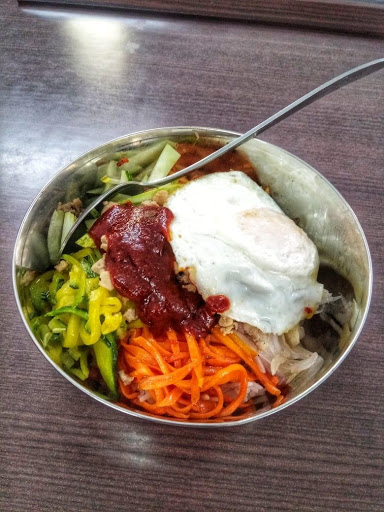
Components and customary ingredients
A traditional bibimbap bowl includes steamed rice and several vegetable banchan (side dishes) arranged on top. Common vegetables include spinach, bean sprouts, fernbrake (gosari), and various potherbs. Proteins range from thinly sliced marinated beef to seafood or a simple fried egg. The most familiar seasoning is gochujang (Korean red-chili paste), though soy-based sauces and sesame oil are also used. A short list of typical toppings:
- Leafy greens and sprouts — spinach, lettuce, namul
- Ferns and roots — gosari and other potherbs
- Protein — bulgogi-style beef, tofu, seafood, or egg
- Condiments — gochujang, soy sauce, sesame oil, seeds
Regional styles and common variations
Different regions and occasions have produced distinctive forms. Jeonju bibimbap is famous for its variety of toppings and emphasis on local ingredients, while dolsot bibimbap is served in a hot stone bowl that crisps the rice at the edges. Vegetarian and contemporary versions replace meat with mushrooms, tofu, or additional vegetables to suit dietary preferences. For examples of variations and modern recipes, consult curated resources such as recipe guides and ingredient lists at vegetable resources.
History and cultural context
Bibimbap likely evolved from simple mixed-rice dishes eaten for convenience or during specific events like harvests and ancestral rites. Over time it became an everyday meal and a symbol of practical, balanced Korean cooking. It is also associated with communal dining and the idea of mixing contrasting flavors and textures into a harmonious bowl. Cultural notes and historical overviews are available via culinary studies and museum exhibits—see background materials at historical sources.
How it is served and eaten
When served, ingredients are often placed separately atop the rice so the diner can appreciate the colors before mixing. Diners add sauce to taste, then stir thoroughly to distribute heat, flavors, and textures. Dolsot bibimbap may come with a sizzling sound and a layer of toasted rice at the bottom, which provides a contrasting crunch. For practical serving tips and variations for home cooks, see guides such as cooking tips.
Notable facts
Bibimbap highlights Korean culinary principles: balance, seasonality, and combining many small dishes into a single satisfying meal. It has gained international popularity and appears in restaurants worldwide, often adapted to local tastes while retaining its core idea of mixed rice with varied toppings.
Questions and answers
Q: What is bibimbap?
A: Bibimbap is a traditional Korean dish that consists of a bowl of rice mixed with various ingredients.
Q: What does the word bibimbap mean?
A: The word bibimbap means stirred or mixed rice in Korean.
Q: What are some common ingredients in bibimbap?
A: Some common ingredients in bibimbap include vegetables such as spinach, herbs, potherb, and gosari. Beef or seafood can also be added.
Q: Is bibimbap a popular dish in Korea?
A: Yes, bibimbap is one of the most famous traditional Korean dishes.
Q: How is bibimbap served?
A: Bibimbap is served in a bowl with the rice and ingredients mixed together.
Q: Can bibimbap be customized to individual tastes?
A: Yes, bibimbap can be customized with different types of vegetables and meats to suit individual preferences.
Q: Is bibimbap a healthy dish?
A: Bibimbap can be a healthy dish, especially if it is made with a variety of vegetables and lean protein sources like seafood.
Related articles
Author
AlegsaOnline.com Bibimbap: Korean Mixed Rice Dish — Ingredients, History, and Variations Leandro Alegsa
URL: https://en.alegsaonline.com/art/11232
Sources
- clickkorea.org : "Bibimbap: High nutrition all in one meal"