
Vanir: The Fertility and Seafaring Deities of Norse Myth
The Vanir are a group of Norse deities associated with fertility, prosperity, seafaring and certain forms of magic. They are distinct from, yet later united with, the Æsir.
The Vanir are a principal group of deities in Norse mythology, traditionally contrasted with the warrior-oriented Æsir. Described as native to the world called Vanaheimr, they are most often connected with aspects of fertility, wealth, the sea and certain ritual arts. Early medieval sources present the Vanir as more placid and agrarian in character than the Æsir, though the boundary between the two collections of gods becomes blurred in the surviving poems and prose.
Image gallery
4 Images


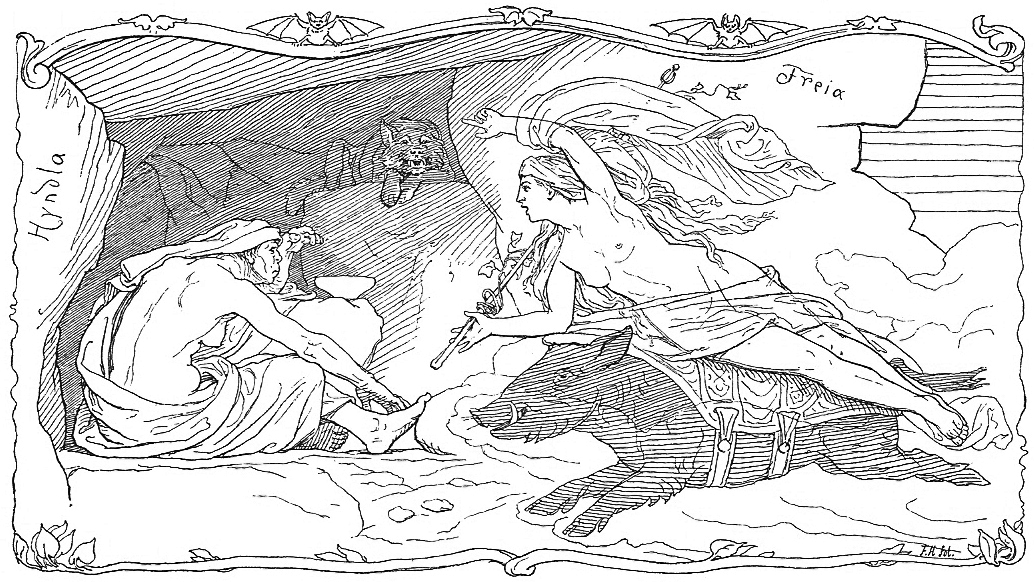
Principal members and attributes
Several individual figures are regularly identified as Vanir in the poetic and prose sources. Among the best known are:
- Njörðr — associated with the sea, winds and maritime prosperity; a leading Vanir figure in pre-war accounts.
- Freyr — a fertility and prosperity god linked with good harvests, kingship and bountiful weather.
- Freyja — a prominent goddess of love (love), beauty (beauty), and certain magical practices (magic); she also has associations with war and the distribution of the slain.
- Skaði — a goddess of hunting and winter sports, typically associated with skiing and the mountain wilds; she is connected by marriage to Njörðr, and in the myths she is described as having ties to giant kind (jötunn).
- Gerðr — a giantess who becomes the consort of Freyr and illustrates the close contacts between Vanir gods and other mythic families.
- Oðr — the often-absent husband of Freyja; his identity is enigmatic and some traditions suggest a link with the figure of Odin. Freyja’s tears are described in the sources as becoming precious substances such as gold.
- Gullveigr/Heiðr — a practitioner of potent sorcery whose maltreatment by the Æsir appears in the narrative cycle that leads to conflict; later references connect her story with trickster figures such as Loki and with transformations into monstrous forms (monster), though exact details vary by source.
- Heimdallr — a guardian figure whose tribal placement is debated in scholarship and in some texts.
- Ullr — a deity linked to archery and hunting (hunting), later traditions sometimes situate him among families related to Thor.
War, peace and integration
The best-known narrative involving the Vanir concerns their war with the Æsir. Sources relate a period of violent conflict followed by negotiations: the two groups agreed to a truce, exchanged hostages and blended into a single divine assembly, with some Vanir figures taking residence in Asgard alongside Æsir gods. This reconciliation is often read as a mythic reflection of older religious and social processes in Norse-speaking communities.
Cults, magic and cultural significance
In the surviving literature the Vanir are linked with specific ritual practices. Freyja, for example, is tied to seiðr, a form of Norse ritual magic and divination; the Vanir in general are often interpreted as patrons of fertility rites, seafaring prosperity and household abundance. Archaeological finds, place names and later medieval poetry suggest that worship of Vanir-type deities coexisted with Æsir-centered cults and that their importance could vary by region.
Distinctions and scholarly perspectives
Scholars emphasize that the Vanir–Æsir distinction is functional rather than purely genealogical: Vanir roles tend toward growth, wealth and cyclical renewal, while Æsir roles emphasize sovereignty and warfare. Over time the two groups’ myths interpenetrate, and some figures shift roles or acquire overlapping functions. Modern interpretation treats the Vanir as an essential strand of Norse religious imagination, illuminating how early Scandinavian communities conceived of fertility, economy and magic within a broader mythic framework.
Questions and answers
Q: Who are the Vanir?
A: The Vanir are one of two tribes of deities in Norse mythology, native to Vanaheimr. They are associated with nature and fertility and are generally peace-loving gods.
Q: What members make up the Vanir?
A: Members of the Vanir include Njörðr, Freyr, Freyja, Skaði, Gerðr, Oðr, Gullveigr, Heimdallr and Ullr.
Q: What is known about Odr?
A: Not much is known about Óðr except that he often went away on long journeys and Freyja wept when she missed him. Freyja's tears became the purest gold and amber.
Q: How did Gullveigr die?
A: Gullveigr was a notably powerful sorceress who was burnt and killed three times by the Æsir which eventually led to the war between the two tribes. Loki ate the burnt heart of Gullveigr and gave birth to a monster; however Gullveigr still lived after all those punishments.
Q: What happened as a result of the war between the two tribes?
A: As a result of the war between them uniting into a single pantheon with some members living in Asgard alongside the Æsir as a token of goodwill. The goddess Freyja receives half of those slain in battle as a share of power between them both clans.
Q: Who is Heimdallr?
A: Heimdallr is Guardian of Bifrost bridge but it is uncertain whether he belongs to either tribe (Æsir or Vanir).
Q: Who is Ullr?
A: Ullr is God of hunting and in later traditions he was said to be stepson Thor's son from another mother
Related articles
Author
AlegsaOnline.com Vanir: The Fertility and Seafaring Deities of Norse Myth Leandro Alegsa
URL: https://en.alegsaonline.com/art/104203