
Venus (Roman goddess of love, beauty, and civic ancestry)
Venus, a principal Roman deity, embodied love, beauty, fertility and political ancestry; she merged Greek Aphrodite and Etruscan Turan traditions and inspired temples, festivals, and imperial cults in Rome.
Venus is a central figure in Roman religion and mythology, worshipped as a goddess of love, beauty, fertility and, in later political uses, a divine ancestor of important Roman families. In classical sources she appears both as a personified force of attraction and as a protector of gardens, marriage and social harmony. The Roman Venus grew from local Italic and Etruscan traditions and was strongly identified with the Greek goddess Aphrodite while retaining distinctive Roman roles and titles.
Image gallery
10 Images


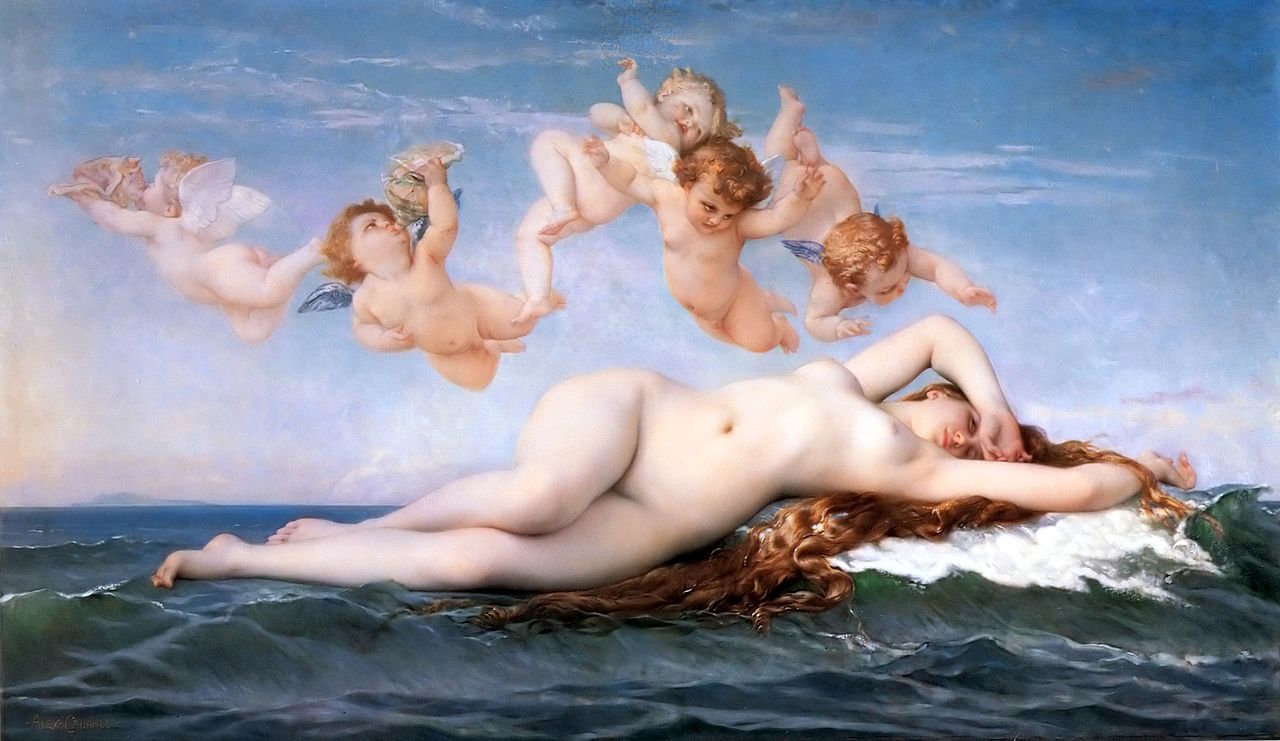
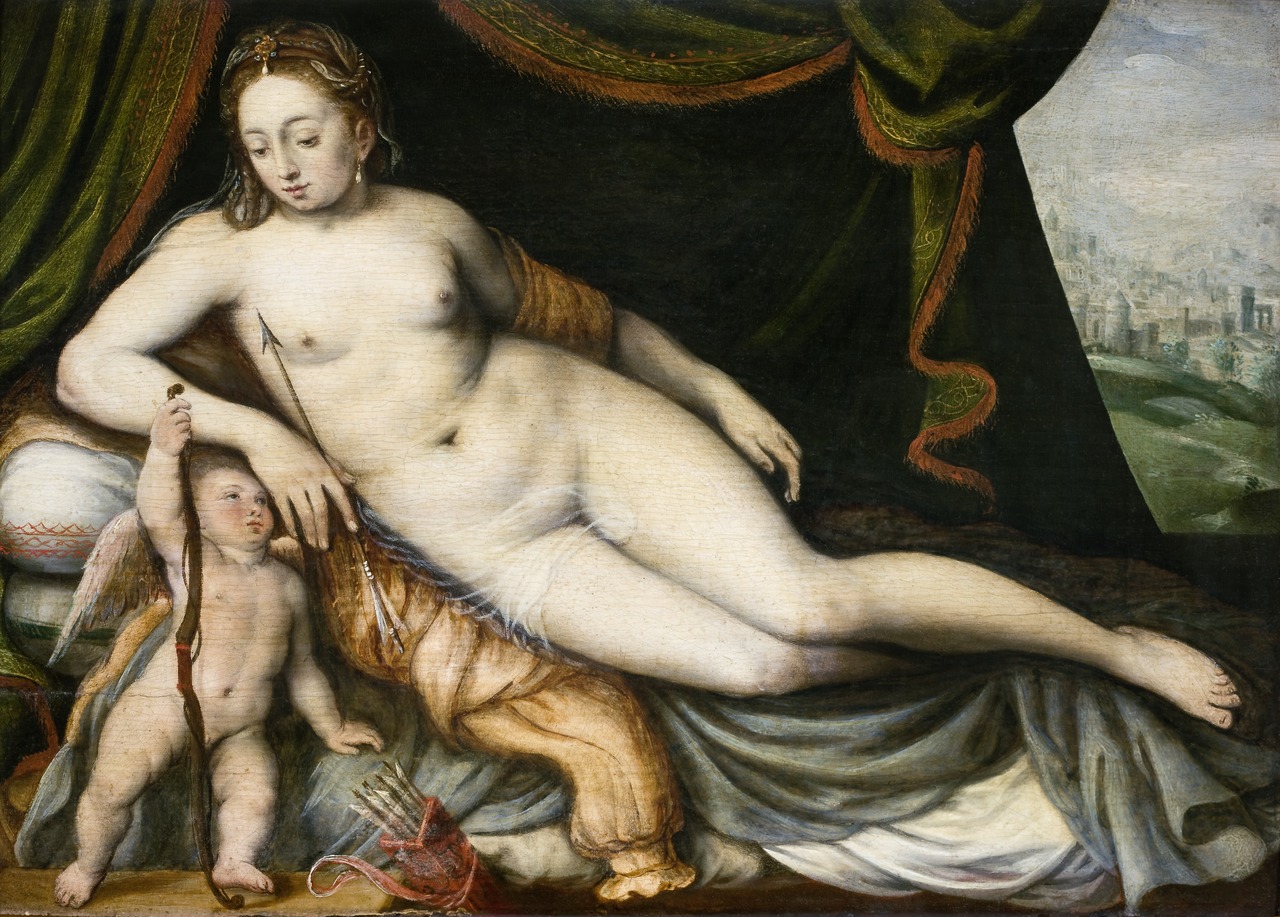


Attributes and iconography
Artists and writers depicted Venus in a variety of ways: sometimes emerging from the sea in the motif known as Venus Anadyomene, sometimes as a matron with a mirror or myrtle, and frequently accompanied by symbols such as doves, roses and the myrtle tree. As a multifaceted deity she had numerous epithets that marked different functions and cults, each emphasizing a particular aspect of her power.
- Venus Genetrix — patron of family lineage and the Julian gens, claimed by Julius Caesar as an ancestral goddess; this political angle strengthened the link between religion and Roman authority. Julius Caesar
- Venus Verticordia — invoked as a guardian who could turn hearts from vice to virtue
- Venus Erycina — a cult form often associated with protection in war and with foreign cults brought to Rome during crises
Cult, temples and festivals
The worship of Venus can be traced to communities in Latium, such as Ardea and Lavinium, where early Italic and local practices fused with wider Mediterranean beliefs. Public and private rites were part of Roman religious life, and several festivals on the calendar honored her. The agricultural and social calendar linked Venus to rites for fertility and the well‑being of vines and gardens.
- The Vinalia Rustica, observed in mid‑August, was connected to wine and the harvest; sources record the dedication of a major temple in this period on August 18. First temple
- The Veneralia took place on April 1 and was associated with the purification of marriage and appeals to Venus Verticordia
- A Capitoline dedication to Venus Erycina on April 23, 215 BC is reported in connection with the upheavals of the Second Punic War and the religious response to military and civic stress
Mythic narratives and relationships
In narrative sources Venus often overlaps with Greek mythic cycles: she plays roles in birth stories, love affairs and divine politics. Roman tradition sometimes pairs her with the smith‑god Vulcan and she appears in tales that explore the tensions between desire, fidelity and social order. As with her Greek counterpart, stories about Venus convey moral and aesthetic values as well as entertainment.
Political and cultural significance
Beyond private devotion, Venus functioned in public religion and propaganda. Emperors and prominent families used her image and specific cult titles to claim divine favor or lineage; the epithet Genetrix became a powerful symbol when linked to the Julian family and its successors. Her presence in poetry, sculpture and civic monuments helped shape Roman identity and later influenced Renaissance and modern art. For introductions to broader scholarship and source collections see general resources on Roman mythology and classical religion; comparative material is often indexed under goddesses of love and under the Etruscan model Turan.
Venus thus operates on multiple levels: as an intimate patron of personal relationships, as a guardian of fertility and prosperity, and as a public symbol used by Rome's elite. Her cult illustrates how myth and ritual were woven into civic life, and how religious figures could be adapted to serve social, political and artistic ends. For more specialized discussions and archaeological summaries consult dedicated studies and museum catalogues at festival and temple calendars, ritual handbooks at ceremonial guides, and collections of literary texts at classical source readers and historical commentaries. Further comparative analyses of divine ancestry and imperial cults can be found under entries for Vulcan and other Roman deities as well as in genealogical studies referring to Caesarian propaganda.
Related articles
Author
AlegsaOnline.com Venus (Roman goddess of love, beauty, and civic ancestry) Leandro Alegsa
URL: https://en.alegsaonline.com/art/104606