
Jötnar: Giants of Norse Mythology
Jötnar (singular jötunn) are diverse giant beings in Norse myth. They appear as primordial forces, adversaries and kin of the gods, and inhabit Jötunheimr and remote wild places in Poetic and Prose Edda traditions.
Overview
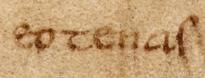
In Old Norse literature the word jötunn (plural jötnar) denotes a category of beings often translated as "giants." They figure prominently in Norse myth as powerful, sometimes hostile, sometimes allied creatures who stand outside but also mingle with the gods and humans. Modern English texts render the name in various forms, such as Jotun or Jotnar. For general background see Norse mythology sources, and for the common translation issue see giant usage notes.
Image gallery
5 Images


Origins and mythic role
Myths preserved in the Poetic Edda and Prose Edda present jötnar as both primeval and ongoing forces. The primeval giant Ymir, born of elemental ice and fire, is central to cosmogonic accounts; the world is formed from his slain body by the gods. Many later jötnar oppose the Æsir and Vanir gods, yet the relationships are complex: gods marry jötnar, and some gods trace ancestry to them. Traditions place a stronghold called Utgardr in the giants' domain; stories such as Thor's journey to Utgardr are key episodes—see Utgardr.
Realm and habitat
The jötnar are associated with Jötunheimr, one of the Nine Worlds, often set apart from the human world of Midgard by formidable terrain. Narratives describe Jötunheimr as remote and wild, separated from Midgard by high mountains and great forests. Outside their designated realm, giants frequently dwell in caves and remote places; some sagas and poems note specific caves as their homes, referenced here in storied travel and encounter scenes (caves and lairs).
Varieties, characteristics, and notable figures
- Types: Texts distinguish frost giants (hrímþursar), mountain giants (bergrisar), and other kinds tied to elemental features.
- Appearance and size: While often depicted as enormous and strong, jötnar in the sources can be tricksters, shapeshifters or nearly human in stature—mythic importance matters more than uniform size.
- Famous jötnar: Ymir (primeval giant), and figures such as Skaði, who becomes connected by marriage to the gods, illustrate their varied roles.
Importance and cultural legacy
Jötnar embody natural and chaotic forces that balance the gods' order; their stories explore themes of kinship, conflict and the boundary between civilization and wilderness. They appear in medieval Icelandic poetry and later sagas, and their patterns persist in modern literature, art and popular culture where they are reinterpreted in diverse ways. Distinguishing jötnar from later folkloric giants or trolls is important: while related concepts overlap, the term jötunn has specific mythic functions in the Old Norse corpus.
Related articles
Author
AlegsaOnline.com Jötnar: Giants of Norse Mythology Leandro Alegsa
URL: https://en.alegsaonline.com/art/51276