
Vesta — Roman goddess of the hearth, home and state fire
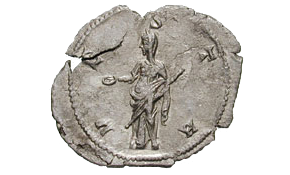
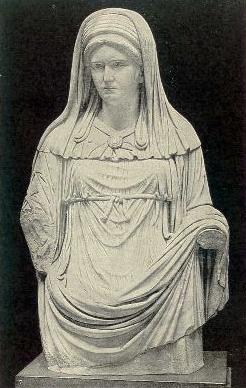
Vesta, the Roman personification of the hearth and domestic stability, presided over household and public fires and was tended by the Vestal Virgins; her cult underpinned family life and civic continuity.
Overview
Vesta occupied a distinctive place in Roman religion as the guardian of the hearth, the household, and the sacred public fire that symbolized communal life. Unlike many deities who feature in narrative myth, her presence was largely symbolic: the eternal flame she represented stood for domestic well-being and the continuity of the city. For a concise introduction to the religious context that shaped her role, see Roman religion.
Image gallery
10 Images


Characteristics and symbols
Vesta is most often associated with three related elements: the household hearth, the perpetually tended public flame, and a circle-shaped sanctuary that echoed archaic domestic architecture. Her cult emphasized constancy and purity rather than dramatic myths. The primary emblem of her worship was the sacred hearth fire; references to this symbol can be found in sources discussing the sacred fire and its maintenance. The principal focus of state devotion was the Temple of Vesta in the Roman Forum, where the city's public flame burned.
Cult, priesthood, and domestic practice
Vesta's worship operated on two levels: private and public. In Roman homes the shrine (lararium) often included a small representation of the hearth alongside the household deities such as the Penates and Lares, and families cared for their own flame as a sign of domestic prosperity. At the state level, a college of priestesses known as the Vestal Virgins maintained the public fire and performed rituals that connected private households to the life of the polis. Their duties required long service, strict rules of conduct, and observance of ritual purity; the extinguishing of the public flame at an inauspicious time was interpreted as a warning or omen for the community.
Rituals and festivals
Several rites and observances surrounded Vesta's cult. The annual renewal of the public hearth was an important ceremony traditionally linked with an early Roman calendar boundary in spring. Periods of special devotion allowed women and citizens to enter certain precincts or take part in rites associated with home cleanliness and the restoration of domestic order. Civic rituals repeated the theme that the health of the household and the city were interdependent, and the ongoing care of the fire embodied that reciprocal responsibility.
Origins, development, and artistic presence
Vesta's character is often compared to the Greek goddess Hestia, who fulfilled a similar domestic and civic function in Greek religion; scholars note parallels while acknowledging cultural differences in cult practice — see Hestia for a comparative perspective. The circular form of her principal sanctuary is thought to reflect early Italian round huts and the communal hearths within them. Because her cult emphasized a sacred flame rather than narrative exploits, representations of Vesta in sculpture and painting are relatively scarce compared with other Roman deities; her identity is frequently conveyed by the hearth itself rather than a fully anthropomorphic image.
Decline and legacy
The prominence of Vesta's cult declined as religious and social changes transformed the Roman world, especially with the later adoption of Christianity and the suppression of traditional pagan practices. Archaeological remains of her temple and of the Vestal residence continue to inform modern understanding of Roman ritual life. Vesta's name endures in modern times beyond scholarship: for example, the protoplanet and major asteroid 4 Vesta carries her name into astronomical nomenclature.
Notable distinctions
- Symbol over story: Vesta is mainly known through ritual function rather than mythic narrative.
- Household and state link: Her cult united private domestic practice with public civic rites.
- Vestal order: The priesthood of Vestal Virgins is among the best known features of Roman religious institutions.
For further reading on ritual practice and archaeological evidence, consult summaries of Roman domestic religion and studies of the Forum's sacred sites available through scholarly and educational resources (religion overview, temple studies). Primary and secondary literature offers broader detail on how the maintenance of the hearth shaped both family life and the idea of civic continuity in ancient Rome.
Related articles
Author
AlegsaOnline.com Vesta — Roman goddess of the hearth, home and state fire Leandro Alegsa
URL: https://en.alegsaonline.com/art/104794