
Loki — Norse mythological figure and shape-shifting trickster
Loki is a complex figure in Norse tradition: a shape‑shifter whose tricks aid and harm the gods, father of several monstrous beings, and a central participant in Baldr’s death and Ragnarök.
Overview
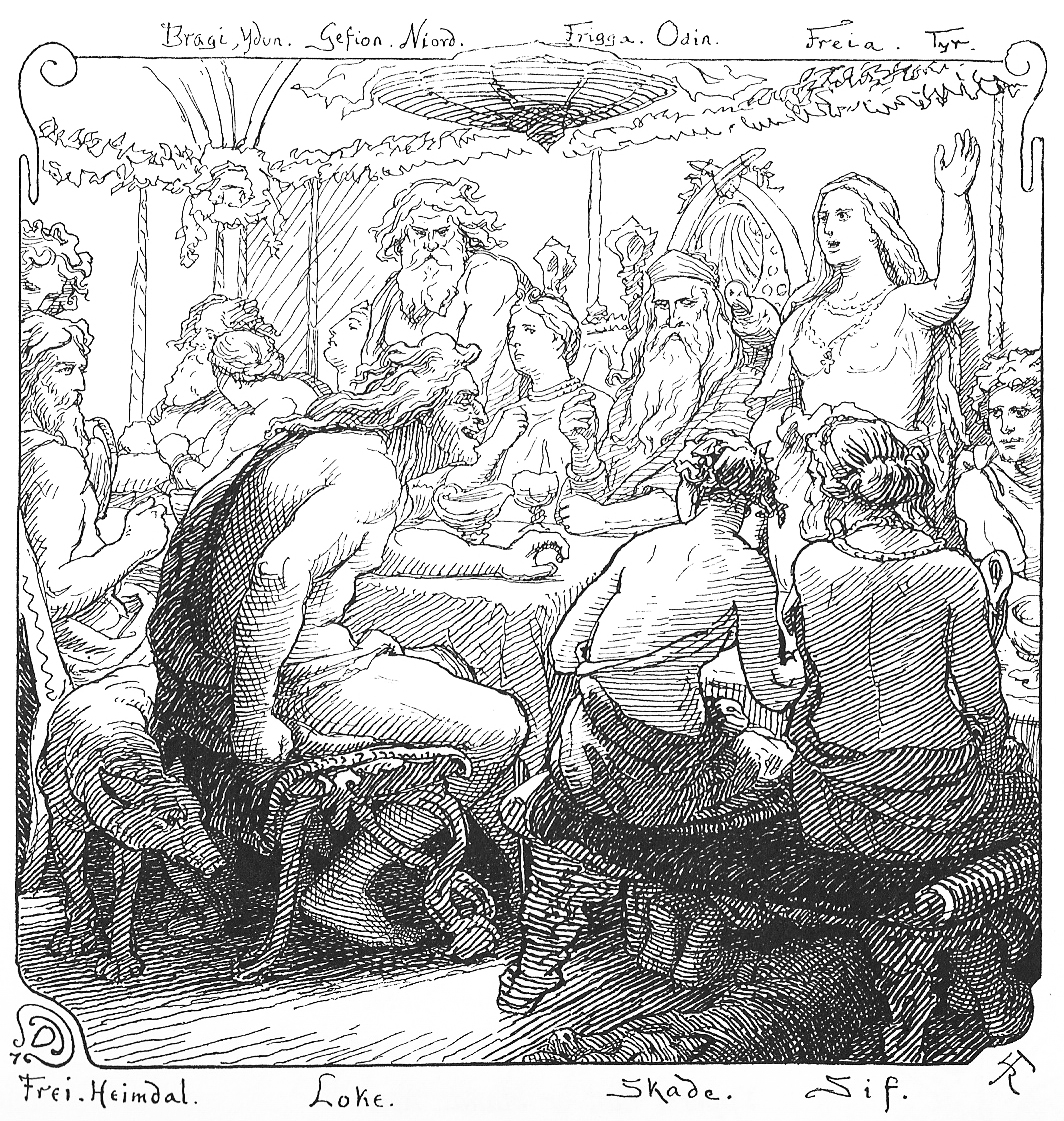
Loki is a prominent figure in medieval Norse literature, known for his cunning, frequent shape‑shifting, and ambiguous position among the gods and giants. He appears in the Poetic Edda and Prose Edda and in later skaldic and folkloric material. Depending on the source, Loki is portrayed alternately as a helper of the gods and as an agent of chaos whose actions culminate in disaster for the divine order.
Image gallery
10 Images



Characteristics and family
Genealogies and relationships surrounding Loki are inconsistent between texts. He is named as the son of the jötunn Fárbauti and the brother of Helblindi and Býleistr. In Snorri Sturluson’s Prose Edda Loki has a wife, Sigyn, and children variously called Nari or Narfi; he is also credited as the parent of Hel, the wolf Fenrir, and the world serpent Jörmungandr. In one well‑known story he assumes the shape of a mare, is impregnated by the stallion Svaðilfari, and later gives birth to the eight‑legged horse Sleipnir.
Mythic roles and notable episodes
Loki’s exploits range from mischievous tricks to directly harmful plots. He is responsible in several accounts for the loss of Sif’s hair and for schemes that force the gods to accept creations and treasures that both help and haunt them. One turning point is his hand in the death of Baldr, which leads to his capture and binding. After Baldr’s death, Loki is punished: the accounts describe him bound under a serpent that drips venom, with his wife trying to catch the poison in a bowl — an image often cited in later retellings.
At Ragnarök, the final cosmic battle, Loki is said to side with the jötnar against the gods and to face Heimdallr on the battlefield; the two are prophesied to slay one another. These elements combine themes of kinship, betrayal, and inevitable cosmic change.
Shape‑shifting, liminality, and interpretations
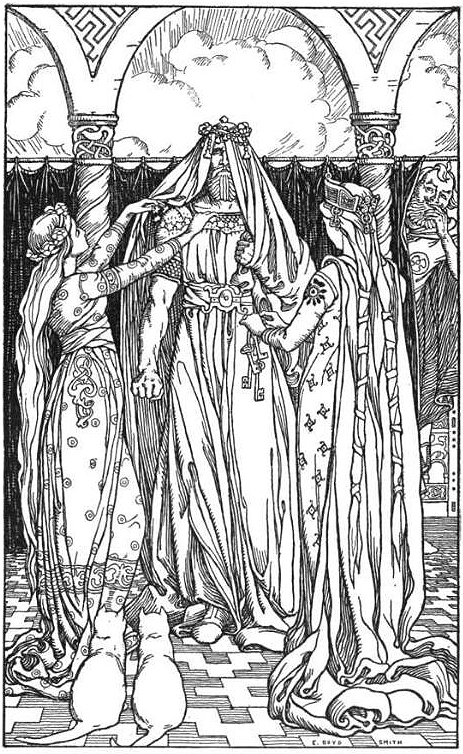
Loki’s ability to change form—reported forms include a salmon, a fly, a mare, and at least one disguise as an old woman—reinforces his liminal character. Scholars have long debated his nature: is he a god among the Æsir, a jötunn, a culture‑hero, or a symbolic personification of uncontrollable forces? Many modern commentators label Loki a "trickster" because his behavior resembles that of trickster figures in other traditions, though this label does not capture all the ritual and narrative complexity surrounding him.
Sources, depiction, and legacy
Most direct information about Loki comes from medieval Icelandic compilations: the Poetic Edda and Snorri’s Prose Edda. He also appears in skaldic verse, saga literature, and later Scandinavian folklore; some medieval stones and crosses have been interpreted by scholars as depicting scenes involving Loki. Interpretations of those visual and textual sources vary, and the figure of Loki has been reshaped in modern literature, art, and popular culture.
Further reading and primary sources
- Overview of Loki in primary texts
- Poetic Edda passages
- Information on Sigyn and family episodes
- Accounts mentioning Fenrir
- Descriptions of Jörmungandr
- The Sleipnir episode and horse imagery
- Connections with Odin in medieval sources
- Stories of Loki’s transformations
- Ragnarök and eschatological roles
- Snorri and Heimskringla contexts
- Scandinavian folklore traces
- Archaeological interpretations and monuments
Note: Because surviving sources are medieval and fragmentary, the full origins and original meaning of Loki to pre‑Christian Norse religion remain matters of scholarly debate. The character functions in narrative both as a companion to divine figures and as an antagonist whose actions probe boundaries between order and chaos.
Related articles
Author
AlegsaOnline.com Loki — Norse mythological figure and shape-shifting trickster Leandro Alegsa
URL: https://en.alegsaonline.com/art/58925