
Vikramaditya: legendary Indian monarch and regnal title
Vikramaditya is a celebrated legendary king in Indian tradition and a royal title borne by several historical rulers, associated with generosity, learning, the Vikrama Samvat era and a rich body of legends.
Vikramaditya is a name that functions both as a legendary archetype of an ideal Indian monarch and as a regnal title assumed by several historical rulers. In popular imagination he embodies courage, generosity, justice and patronage of learning. Over centuries the figure of Vikramaditya has appeared in folklore, classical poetry and court chronicles, and his name is linked to a calendar era and to collections of stories told in courts across South Asia.
Image gallery
4 Images


Origins and the Vikrama Samvat
Tradition attributes the start of the Vikrama Samvat calendar to a king named Vikramaditya who, according to later accounts, defeated foreign invaders and established a new era traditionally dated to 57 BCE. Modern historians treat this origin as uncertain: the association of a single ancient monarch with the era is debated and may reflect retrospective attribution. For further context see related background.
Legends, literature and the royal court
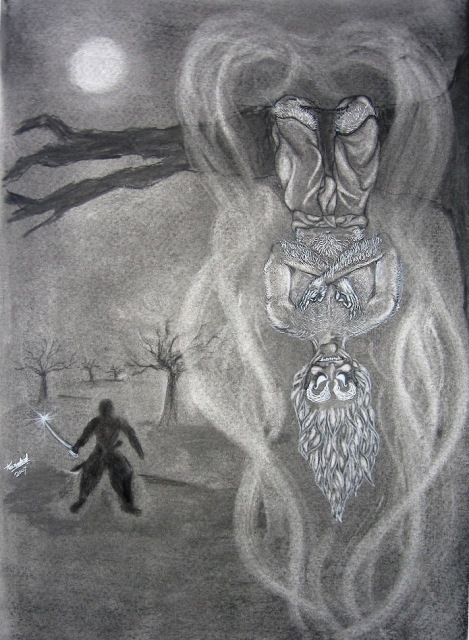
Stories about Vikramaditya appear in a range of literary forms. He is the central figure in many tales such as the popular Vetala stories (known as Vikram and Betal or Baital Pachisi) in which a clever king interacts with a spirit that tells riddling tales. Medieval and early modern chronicles also portray his court as home to the Navaratnas, or "nine gems": an assembly of outstanding scholars, poets and scientists credited in tradition with producing remarkable works of literature, astronomy and scholarship (names linked to these lists vary by source).
Historical uses of the title
Several actual monarchs adopted Vikramaditya as a royal title to associate themselves with the virtues of the legendary king. Notably, Chandragupta II of the Gupta dynasty is often identified in inscriptions and later tradition with the name or title Vikramaditya because of his cultural patronage and military successes. Later medieval rulers in different regions of India likewise styled themselves Vikramaditya to claim prestige and legitimacy.
Legacy and cultural importance
The figure of Vikramaditya has had a persistent cultural presence: he appears in folk drama, children’s stories, modern novels, cinema and nationalist discourse that highlights an idealized past. The Vikrama Samvat era is still used in parts of South Asia for religious and regional calendars. Because the figure blends folklore and historical memory, Vikramaditya functions as both a cultural symbol and a label for historical rulers.
Key points and distinctions
- Legend vs. history: Vikramaditya as a specific historical person is uncertain; much of what is told is part of literary and popular tradition.
- Regnal title: The name has been used by several real kings to invoke its prestige.
- Vikrama Samvat: Traditionally dated to 57 BCE but its concrete origin is debated among scholars.
- Literary role: Central to folktales such as the Vetala stories and to accounts of a brilliant royal court.
Because the subject intersects myth, religious practice and political rhetoric, discussions of Vikramaditya require attention to sources and context: literary accounts convey cultural ideals, while epigraphic and historical records show how later rulers appropriated the name for authority. For a concise modern overview consult general references and specialized studies on Indian chronology and medieval court culture.
Questions and answers
Q: Who was Vikramaditya?
A: Vikramaditya was a significant emperor of ancient India and a title used by several Indian kings.
Q: What qualities was Vikramaditya known for?
A: Vikramaditya was known for his generosity, courage, and support of learning.
Q: Who mentioned Vikramaditya in his book?
A: An Islamic poet Bintoi mentioned Vikramaditya in his book Sayar-Ul-Okul on page number 315.
Q: What was the book Sayar-Ul-Okul about?
A: Sayar-Ul-Okul was a book written by Bintoi.
Q: What is the significance of Vikramaditya in Indian history?
A: Vikramaditya is significant because he was an ideal king and is remembered for his qualities.
Q: How were other kings related to Vikramaditya?
A: Other Indian kings, particularly Chandragupta II, also used the title Vikramaditya.
Q: What was the common title used by Indian kings?
A: Vikramaditya was a common title used by several Indian kings, particularly Chandragupta II.
Related articles
Author
AlegsaOnline.com Vikramaditya: legendary Indian monarch and regnal title Leandro Alegsa
URL: https://en.alegsaonline.com/art/105145
Sources
- britannica.com : britannica.com/biography/Chandragupta-II