
Njörðr (Njord) — Norse god of the sea, wind and prosperity
Njörðr (anglicized Njord) is a Vanir deity in Norse myth associated with the sea, winds, fishing and wealth. He appears in the Poetic and Prose Edda and figures in tales of the Æsir–Vanir exchange and his marriage to Skaði.
Overview
Njörðr, often anglicized as Njord, is a prominent figure in Norse mythology credited with influence over the sea, seafaring winds, fishing and general coastal prosperity. He belongs to the Vanir, a family of fertility and nature deities, and appears in the principal Old Norse compilations including the Poetic Edda and the Prose Edda.
Image gallery
8 Images



Characteristics and domains
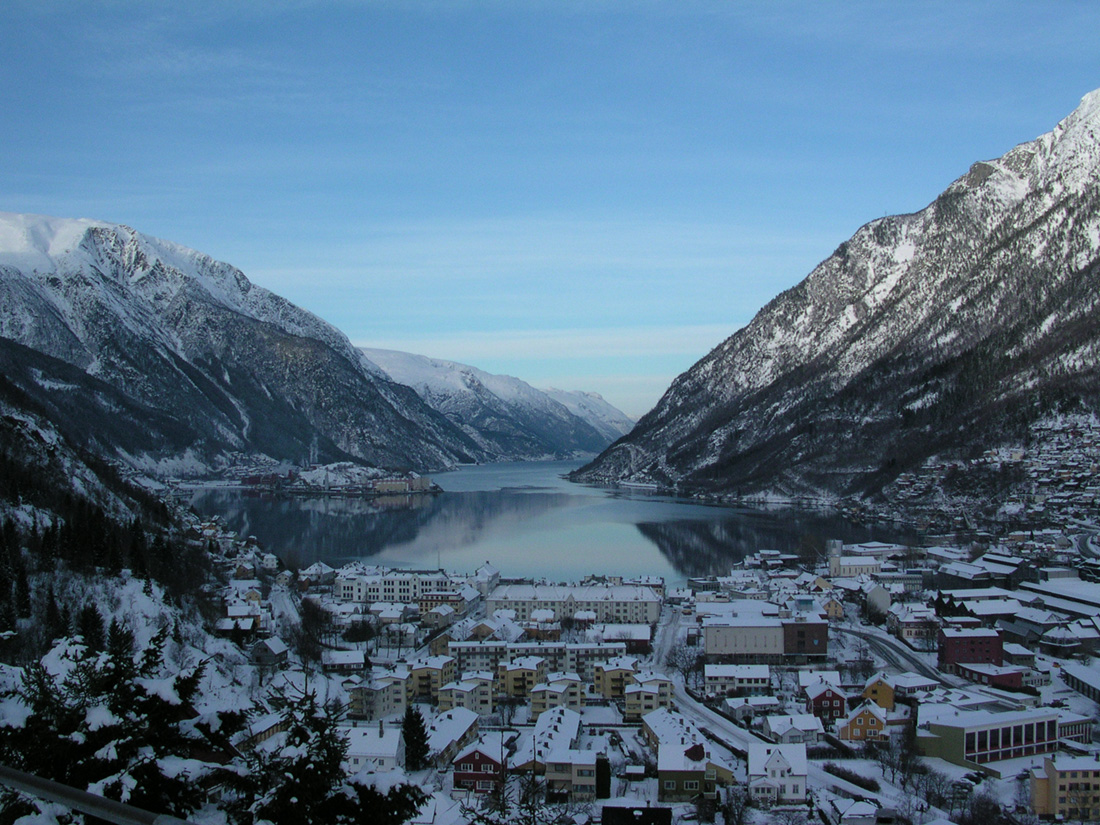
Ancient sources portray Njörðr as a guardian of sailors and fishermen whose favor could mean safe voyages and bountiful catches. He is also associated with material wealth and good fortune in coastal communities, and his residence is given as Nóatún, a name suggesting a connection to ships or harbors.
- Primary areas: sea, winds, fishing, maritime prosperity.
- Residence: Nóatún, traditionally interpreted as a harbor or ship-enclosure.
- Family: member of the Vanir, father to younger gods.
Myths, family and notable tales
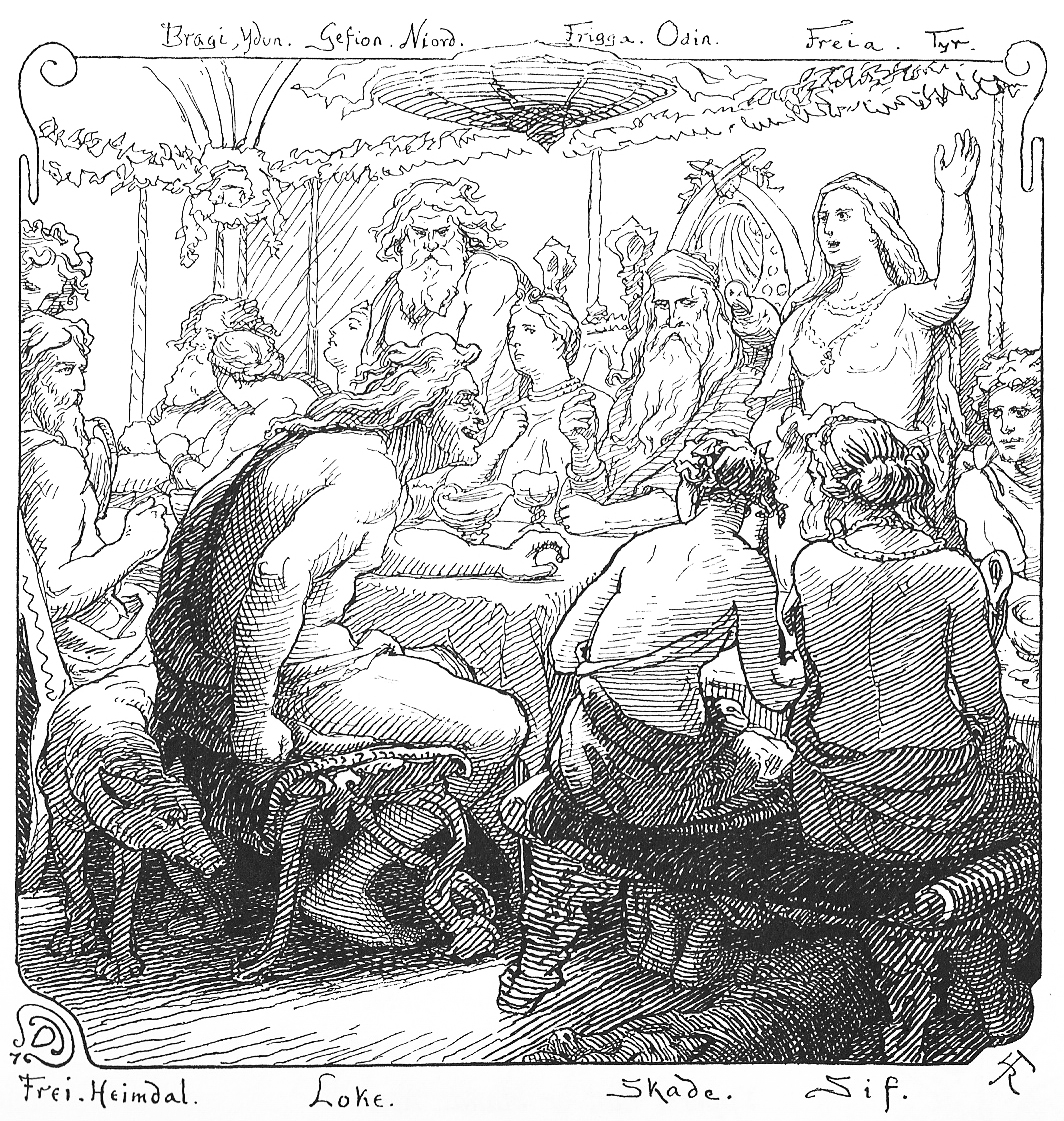
Narratives credit Njörðr as the father of the twin deities Freyr and Freyja; in those accounts the mother is described only as his unnamed sister. After the conflict between the Vanir and the Æsir, Njörðr was sent to live among the Æsir in Asgard as part of a hostage exchange. One famous story concerns his marriage to the jötunn (giantess) Skaði, daughter of the giant Þjazi. The marriage proved difficult because Skaði preferred the mountain home while Njörðr favored the sea; attempts to live alternately in both places failed and they eventually parted. Skaði is said to have chosen Njörðr by selecting a husband by sight of his feet, mistaking his for the fair god Baldr's.
Worship, influence and legacy
Njörðr was especially significant to seafaring peoples and coastal farmers; offerings and appeals for favorable winds and catches are attested in literary accounts and place-name evidence. Over the centuries his name and aspects influenced Scandinavian folklore and later cultural references, where he is often treated as emblematic of the sea's bounty and the fragile balance between land and ocean livelihoods.
For introductions and primary texts see editions and translations referenced by scholars and resources that collect Old Norse mythic material, including entries on Freyr and Freyja.
Related articles
Author
AlegsaOnline.com Njörðr (Njord) — Norse god of the sea, wind and prosperity Leandro Alegsa
URL: https://en.alegsaonline.com/art/70407