
Trial by Ordeal: Historical Practice of Divine and Communal Judgment
Trial by ordeal was an ancient method of determining guilt or innocence through painful or dangerous tests believed to reveal divine judgement. This article explains forms, procedure, history, and decline.
Overview
Trial by ordeal was a judicial method in which an accused person's guilt or innocence was determined by subjecting them to a dangerous, painful, or humiliating test. Communities that used these procedures commonly believed that supernatural forces would intervene on behalf of the innocent: the idea was that a higher power would prevent harm or produce a sign of recovery. In that worldview the outcome of the test served as evidence about the accused person's guilt or innocence and the nature of the alleged crime. Observers paid attention to whether the accused suffered injury and how wounds healed, because recovery could be interpreted as a miracle bestowed by God or another supernatural agent. Clergy often played an official role in the ceremony; a priest or other ritual specialist might oversee the test to provide spiritual legitimacy.
Image gallery
7 Images


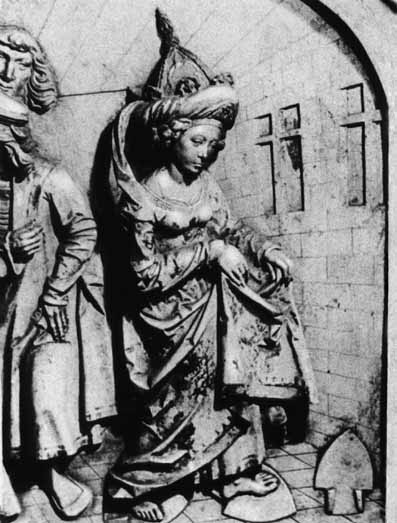
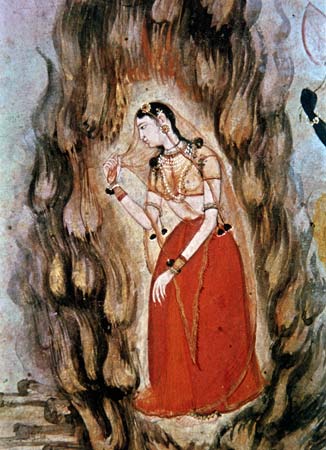
Common forms and procedures
Ordeals took many forms, adapted to local ideas about purity, danger, and divine favour. Techniques were practical, symbolic, or pharmacological, and included:
- Fire tests: handling or carrying hot iron, walking over coals, or placing a hand in a flame. These were often used for accused persons of higher social rank.
- Water tests: binding and immersion, such as being thrown into a body of water to see whether the accused floated or sank. Water ordeals were more commonly applied to persons of lower social status.
- Contact or incision tests: touching consecrated objects, carrying a red-hot iron, or receiving wounds whose subsequent healing was examined.
- Ingestion tests: swallowing or being given potent or poisonous substances; for example, the historical use of the calabar bean in some West African contexts.
Procedural elements often included oath-taking and public testimony: a suspect might swear an oath, supporters could swear in compurgation, and community witness statements were recorded. The accused frequently had to make a formal oath before the ordeal began.
Historical development and geography
Trials by ordeal have been documented across a wide range of legal cultures. Early law codes such as the Code of Hammurabi and later medieval European systems incorporated ordeal as a recognized means of proof. In Europe, ordeals were practiced under different medieval polities and legal traditions: in England they appear in Anglo-Saxon and Norman sources and are associated with both Anglo-Saxons and the Normans. Over time, intellectual, theological and practical objections mounted. A major turning point occurred in the early 13th century when Pope Innocent III and later councils restricted priestly participation, encouraging alternatives such as compurgation (oath-helpers) and increasingly favouring evidence-based procedures.
Decline, replacement and controversies
From the late Middle Ages onward ordeals declined as legal systems developed more systematic investigatory methods. In some jurisdictions confession under duress or coercion, including formal torture, replaced ordeals as a means of obtaining verdicts — a change that raised new ethical and legal problems. By the early modern period most European courts had abandoned ordeal, though localized or extra-judicial forms persisted for longer in some places.
Non-European and comparative perspectives
Analogous practices exist outside Europe as well. In many polytheistic or animist communities ritual tests and ordeals functioned within a different cosmology, where the outcome appealed to multiple spirits or to a communal notion of supernatural sanction. Some African societies practiced ingestion or poison ordeals as a means of detecting theft or witchcraft; anthropologists have recorded uses of the calabar bean in parts of West Africa and rituals in Sierra Leone. In certain tribal settings the intended effect has been described as magical or therapeutic rather than juridical, and such practices are often categorized under broader studies of animist tribal judicial customs.
Legacy and significance
Trial by ordeal is significant for what it reveals about pre-modern ideas of law, community trust, and the role of religion in public life. The practice highlights how societies with limited forensic knowledge sought socially authoritative means of resolving disputes and restoring order. Linguistic traces remain: the Old English term ordǣl survives in modern words related to judgement, and legal historians study ordeals to understand the transition toward evidence-based procedures and centralized courts. For further reading on medieval and comparative practices see discussions by historians and legal anthropologists who examine how ritual, power, and belief intersected in these dramatic and often dangerous ceremonies.
Related articles
Author
AlegsaOnline.com Trial by Ordeal: Historical Practice of Divine and Communal Judgment Leandro Alegsa
URL: https://en.alegsaonline.com/art/101437