
Tropical Storm Marco (2008): the Atlantic basin's smallest tropical cyclone
A concise overview of Tropical Storm Marco (2008), notable as the Atlantic basin's smallest tropical cyclone, covering its origin, characteristics, track, impacts, and significance for forecasting.
Tropical Storm Marco was a compact and short-lived tropical cyclone in the 2008 Atlantic hurricane season. It is widely noted for being the smallest tropical cyclone on record in the Atlantic basin. Marco developed from a broad area of disturbed weather over the northwestern Caribbean Sea in late September 2008 and reached its peak intensity on October 7 with maximum sustained winds of about 65 miles per hour (100 km/h). The system made landfall on the Mexican Gulf coast near Misantla, Veracruz, and produced only limited damage because of its small size and brief life span.
Image gallery
6 Images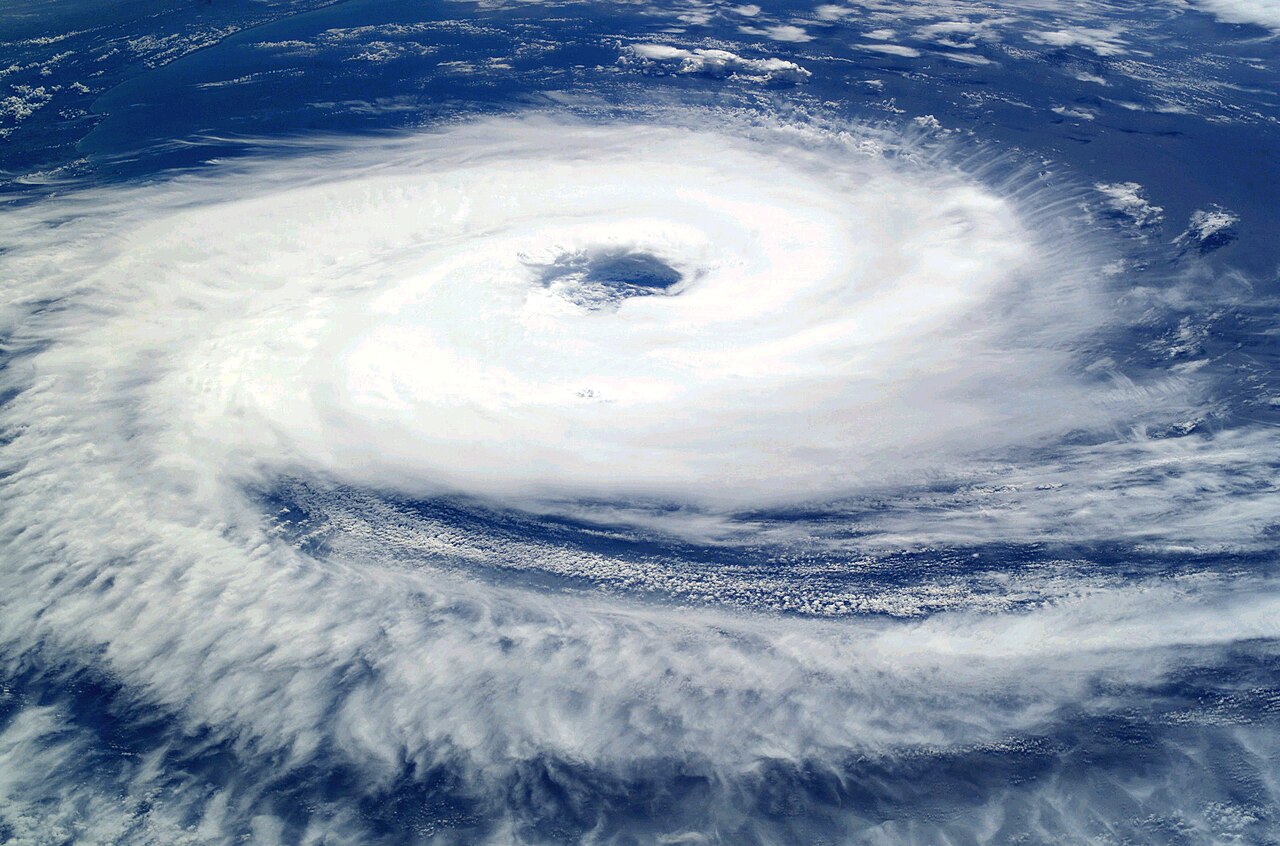


Formation and track
Marco began as a large area of convection in the northwestern Caribbean before organizing into a tropical depression and then a tropical storm during the transition from September to October 2008. Steering currents carried the small circulation west-northwest into the Bay of Campeche, where it briefly strengthened. Marco achieved its maximum reported winds on October 7 and then moved inland over the eastern Mexican state of Veracruz near Misantla, where interaction with terrain caused rapid weakening and dissipation.
Meteorological characteristics
What distinguished Marco from more typical tropical storms was its extreme compactness: the region of strong winds and deep convection was confined very close to the center. Such a concentrated wind field means that gale- and hurricane-force winds covered only a tiny area compared with most Atlantic storms. Small tropical cyclones like Marco can intensify or decay quickly, and their impacts tend to be much more localized. Meteorologists often measure this compactness by the radius of gale-force winds or the radius of maximum winds.
Impacts and response
Because Marco was unusually small, areas affected by damaging winds were limited in extent. The storm produced pockets of heavy rainfall and some coastal flooding near the landfall point, but widespread destruction was avoided. Local authorities issued targeted warnings and watches that reflected the storm's confined threat area. Post-storm reports emphasized rain-related effects more than wind or storm-surge damage.
Importance and distinctions
- Marco was the 13th named storm of the 2008 Atlantic season, a season that also produced several other notable systems (season summary).
- Its extreme smallness made it a subject of interest for forecasters studying how tiny circulation centers form and respond to their environment (record-size observations).
- Because the initial disturbance arose in the northwestern Caribbean, studies of Marco sometimes refer back to that origin (early disturbance) and the regional conditions in the northwestern Caribbean Sea.
For contemporary synoptic analyses and official post-storm summaries, see the formal advisories and reports linked by agencies that tracked Marco, including documentation of its landfall near Misantla, Veracruz. Small tropical cyclones like Marco highlight forecasting challenges: a compact storm can produce intense conditions over a narrow corridor while leaving neighboring areas relatively unaffected, complicating emergency planning and public messaging.
Related articles
Author
AlegsaOnline.com Tropical Storm Marco (2008): the Atlantic basin's smallest tropical cyclone Leandro Alegsa
URL: https://en.alegsaonline.com/art/101722