
Tropical Storm Amelia (1978): flood-producing storm in Texas
Tropical Storm Amelia formed July 30, 1978, and produced catastrophic flooding across central and southern Texas despite weak winds, causing major damage and nearly three dozen fatalities.
Overview
Tropical Storm Amelia was a short-lived but flood-producing tropical cyclone that developed in late July 1978 and moved ashore in Texas. Although its sustained winds remained modest and the system was not powerful by wind standards, Amelia is remembered primarily for the extreme rainfall and subsequent rivers and flash floods that caused widespread disruption, major economic losses, and significant loss of life.
Image gallery
6 Images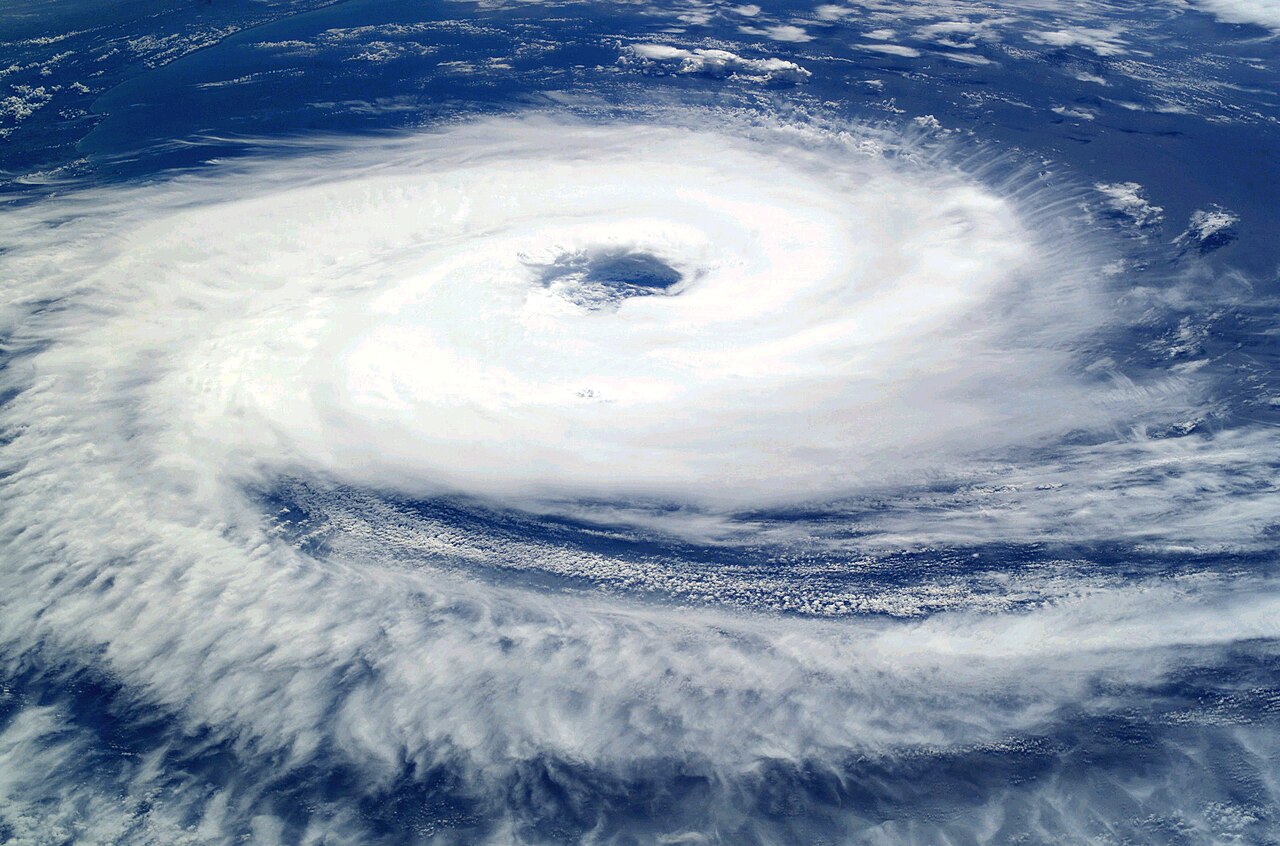


Meteorological history
Amelia was first identified as a tropical system on July 30, 1978. It moved inland quickly and made landfall near the Corpus Christi area. The storm’s organization and peak wind speeds were relatively weak compared with more intense hurricanes, but persistent convection over the same regions led to prolonged heavy precipitation. For a technical summary of the cyclone’s development and classification, see a contemporary storm report here.
Impacts and damage
The principal impact of Amelia was flooding. Torrential rains affected large portions of central and southern Texas, producing flash floods in hill and urban areas and widespread rises on rivers and creeks. These floodwaters destroyed homes, swept away vehicles, isolated communities, and damaged infrastructure. Total direct economic loss from the storm was estimated at approximately $110 million (1978 USD). More information on the flooding and its geographic extent can be found here.
Casualties and human effects
Though small in size and weak in wind strength, Amelia proved deadly because of the floods: nearly three dozen people lost their lives as a result of drowning and flood-related incidents. The human toll underscored the danger posed by heavy rainfall and rapid-onset flooding even when a tropical cyclone lacks hurricane-force winds. Local and state relief efforts were mobilized to assist affected communities in Texas; for regional context see resources about Texas weather impacts here.
Aftermath and significance
In the wake of Amelia, emergency managers and the public were reminded that tropical storms can be as hazardous for flooding as stronger storms are for wind. The event influenced local preparedness and highlighted the need for improved flood warning, evacuation planning, and public education about flash-flood risks. Historical overviews and regional summaries often cite Amelia as an example of a storm whose primary hazard was rainfall rather than wind.
Key facts
- Formation date: July 30, 1978.
- Landfall region: near Corpus Christi — see local reports here.
- Primary hazard: extreme rainfall and flooding.
- Estimated damage: about $110 million (1978 USD).
- Fatalities: nearly three dozen people.
Tropical Storm Amelia remains a cautionary case in meteorology and emergency management: it demonstrates that even relatively weak tropical cyclones may produce catastrophic flooding when slow motion or persistent convection dumps large amounts of rain over vulnerable terrain and river basins.
Related articles
Author
AlegsaOnline.com Tropical Storm Amelia (1978): flood-producing storm in Texas Leandro Alegsa
URL: https://en.alegsaonline.com/art/101677