
Tropical Storm Fay (2008)
Tropical Storm Fay (2008) was the sixth named storm of the 2008 Atlantic hurricane season. It caused flooding in Haiti, made four Florida landfalls, and produced an estimated $560 million in damage and 36 fatalities.
Overview
Tropical Storm Fay was the sixth tropical storm of the 2008 Atlantic hurricane season. Fay developed during an active period of the season and produced heavy rains and flooding as it moved across parts of the Caribbean and the southeastern United States. While it never reached hurricane strength, Fay's slow motion and repeated interaction with land made its impact notable.
Image gallery
10 Images
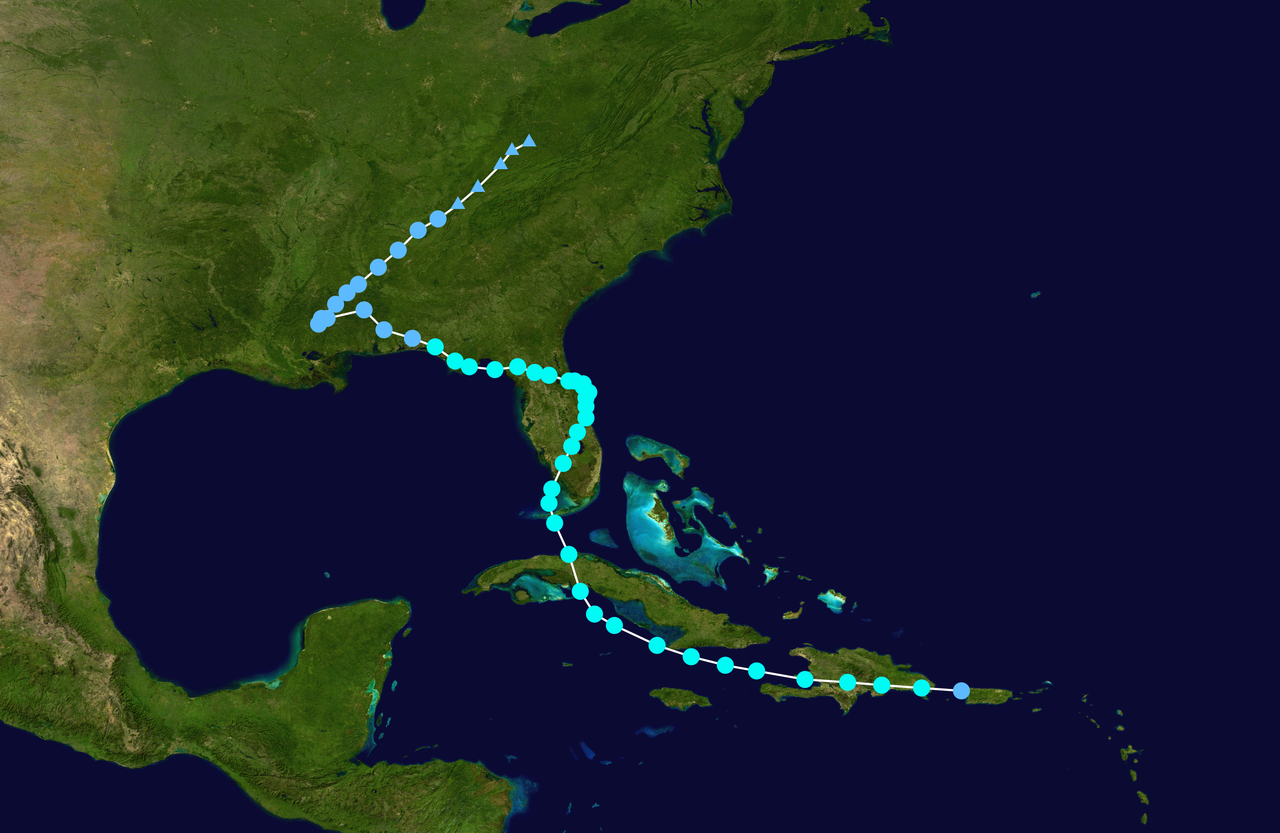
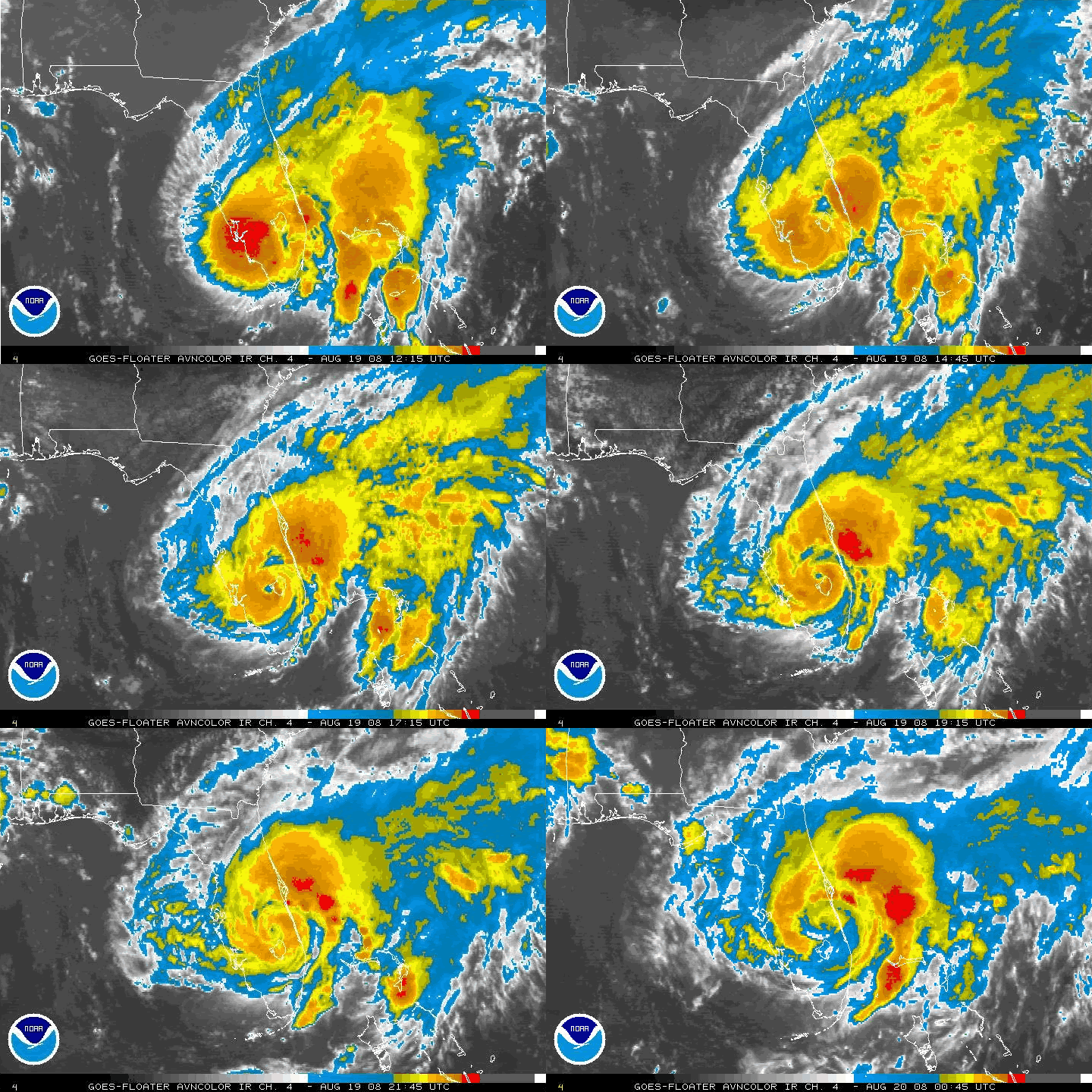


Meteorological characteristics
Fay was characterized by a broad circulation and persistent convective bands that produced prolonged rainfall. The storm's track took it close to or across populated islands, with squalls and flash flooding reported in several areas. Fay's structure and slow forward speed increased the rainfall totals in affected locations, amplifying flood risk despite its modest wind intensity.
Impacts
Fay caused significant humanitarian and economic effects across multiple countries:
- Haiti: Heavy rains produced flooding and landslides in parts of Haiti, exacerbating already difficult conditions in vulnerable communities. Reports noted inundation and localized damage tied to the storm's rainfall (Haiti flooding reports).
- United States (Florida): Fay made landfall in Florida four separate times, bringing widespread coastal and inland flooding. The repeated strikes contributed to storm surge and eroded beaches in some areas (Florida landfalls).
- Regional context: Fay was one of a series of storms that affected the Caribbean in 2008; subsequent storms such as Gustav, Ike, and others also produced damaging rains and flooding in the region.
Damage and casualties
Official assessments attributed an estimated $560 million in damage to Fay and reported 36 fatalities associated with the storm and its aftereffects. The human toll included deaths from flooding and related incidents in the Caribbean and the United States. Economic losses reflected damage to homes, infrastructure, agriculture, and emergency response costs.
Record and legacy
Fay set a notable Florida record by making landfall four times in that state, surpassing the previous multi-landfall record held by Hurricane Gordon (1994), which made three Florida landfalls. The storm is often cited in summaries of the 2008 season for its unusual landfall pattern and its role in a sequence of damaging systems to affect the Caribbean and Gulf coasts.
After Fay, recovery and mitigation activities focused on restoring services, repairing infrastructure, and addressing flood-prone areas. Historical accounts of the 2008 season use Fay as an example of how tropical storms can produce severe flooding and disruption even without reaching hurricane intensity (season overview).
Questions and answers
Q: What was the name of the sixth tropical storm of the 2008 Atlantic hurricane season?
A: The sixth tropical storm of the 2008 Atlantic hurricane season was Tropical Storm Fay.
Q: What other storms caused flooding in Haiti after Tropical Storm Fay?
A: After Tropical Storm Fay, other storms that caused flooding in Haiti were Gustav, Hanna, and Ike.
Q: How many times did Tropical Storm Fay make landfall in Florida?
A: Tropical Storm Fay made landfall in Florida four times.
Q: What record did Tropical Storm Fay beat by making landfall four times in Florida?
A: By making landfall four times in Florida, Tropical Storm Fay beat a record from Hurricane Gordon in 1994 which made landfall three times.
Q: How much total damage did Tropical Storm Fay leave behind and how many people were killed by it?
A: Tropical Storm Fay left $560 million worth of damage and killed 36 people.
Related articles
Author
AlegsaOnline.com Tropical Storm Fay (2008) Leandro Alegsa
URL: https://en.alegsaonline.com/art/101705