
Tropical Storm Hermine (2010) — a rare basin‑crossing storm and its impacts
Tropical Storm Hermine (2010) was an uncommon basin‑crossing cyclone that began as Eastern Pacific Depression 11‑E, reformed over Mexico, and produced deadly flooding from Guatemala to Oklahoma.
Overview
Tropical Storm Hermine (2010) was a noteworthy tropical system because it crossed from the eastern Pacific basin into the Atlantic basin after weakening over land. Initially identified as Tropical Depression 11‑E in the eastern Pacific, the disturbance moved ashore in southern Mexico, lost its organized tropical‑cyclone structure, then later re‑organized and was designated Tropical Storm Hermine. It affected parts of Central America, northeastern Mexico and the south‑central United States.
Image gallery
10 Images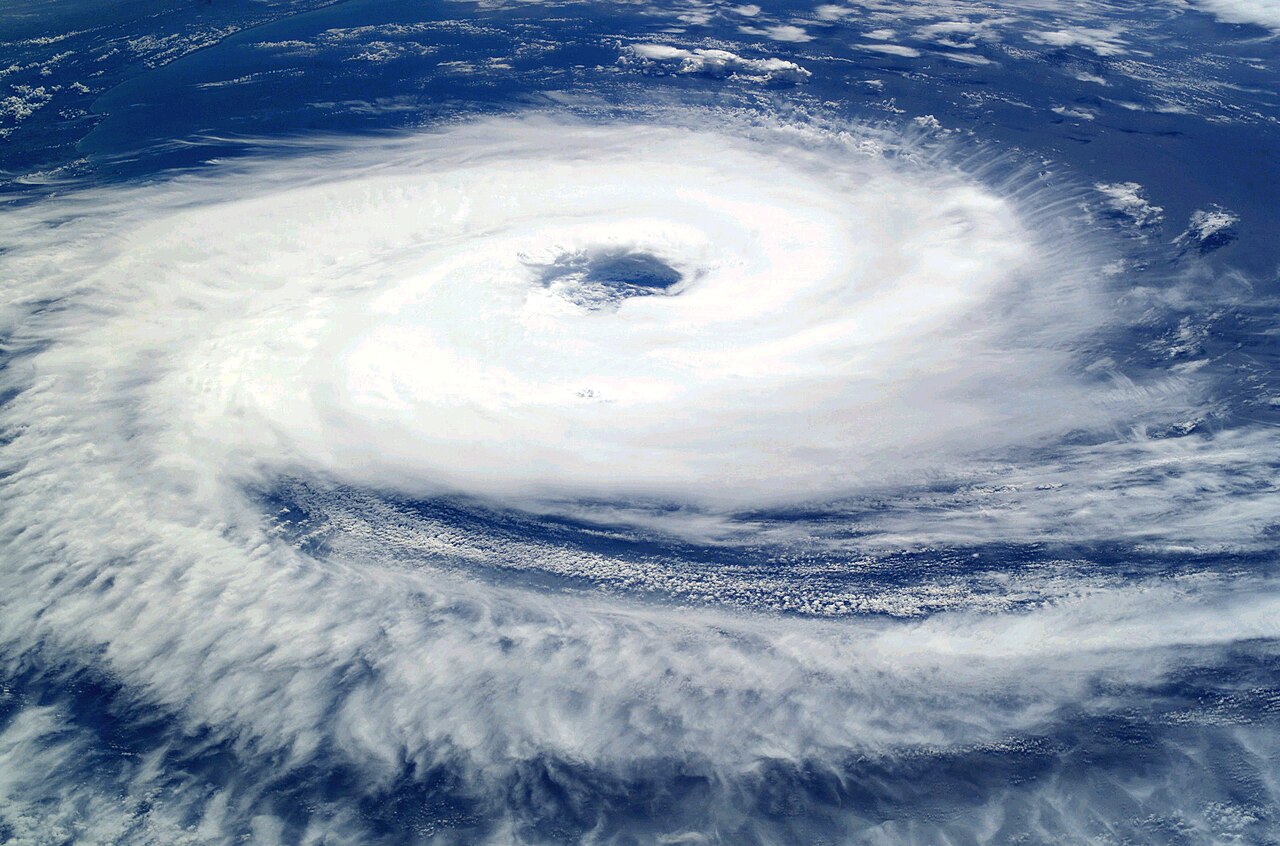


Meteorological development
The system illustrates how tropical disturbances can survive a land crossing and regenerate when environmental conditions allow. After the depression near Salina Cruz weakened, its remnants tracked northward and encountered warm, moist air that aided redevelopment. Hermine reached tropical‑storm strength but did not intensify into a hurricane; it retained a broad circulation and produced heavy rain rather than extreme sustained winds.
Impacts and damage
Hermine caused destructive flooding and landslides across a wide area. From Guatemala through Mexico and into the United States, the storm resulted in more than 100 fatalities and widespread damage. Economic losses from the event have been estimated at roughly $740 million overall, with about $240 million of that occurring in the United States. In Mexico and Central America, flash floods and mudslides were the primary causes of casualties and infrastructure damage.
Regional effects
- In northeastern Mexico the storm produced heavy rain and local flooding that affected communities near the landfall zone.
- Over the United States Hermine moved into Texas and continued northeast, bringing heavy rainfall and localized flooding to parts of Oklahoma before dissipating inland.
- Across Central America, especially Guatemala, terrain‑induced landslides amplified the human toll where steep slopes and saturated soils combined with intense downpours.
Notable aspects and legacy
Hermine is often cited in meteorological summaries as an example of a basin‑crossing tropical cyclone that redeveloped after a land passage. Despite significant fatalities and economic losses, the name "Hermine" was not retired from the rotating list of Atlantic storm names after 2010. The event highlighted vulnerabilities to heavy‑rain flooding in mountainous and coastal regions and reinforced the importance of early warning and flood‑resilient infrastructure.
Related articles
Author
AlegsaOnline.com Tropical Storm Hermine (2010) — a rare basin‑crossing storm and its impacts Leandro Alegsa
URL: https://en.alegsaonline.com/art/101713