
Priest
A priest is a person authorized to perform religious rites and services; article covers roles, historical development, variations across traditions, and distinctions from other religious leaders.
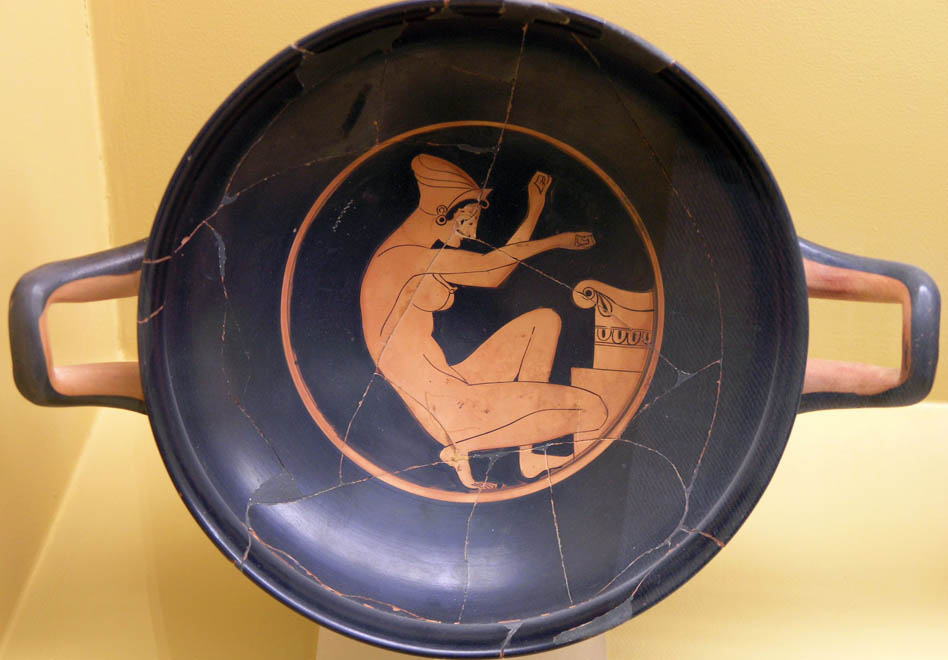
A priest or priestess is a person authorized by a religious community to perform sacred rites, lead worship, and act as an intermediary between worshippers and the divine. The institution that contains such roles is often called the priesthood, a collective term for people who hold this office. In many cultures religions and social systems cultures throughout history, some form of priestly function has existed, even though names, rules and duties vary widely.
Image gallery
10 Images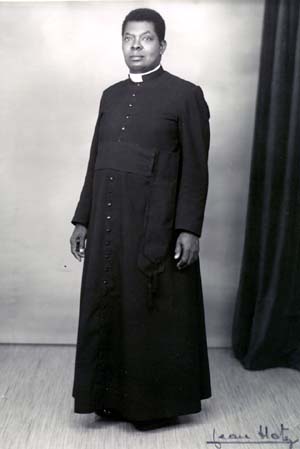



Functions and common duties
Priests commonly carry out a range of religious tasks that may include offering prayers or sacrifices, officiating at rites of passage (such as births, marriages and funerals), administering sacraments or holy meals, teaching doctrine, and providing pastoral care. In some traditions they maintain temples, altars or sacred objects and perform calendrical or seasonal rituals. Typical duties can include:
- Leading public worship and ritual liturgy
- Conducting private rites and blessings
- Providing spiritual counseling and moral guidance
- Teaching religious texts and interpreting law or scripture
- Acting as a mediator between the sacred and the community
Origins and development
Priestly roles emerged independently in many different early societies as communities organized around shared beliefs and cult practices. In agrarian and urban civilizations priesthoods often became institutionalized, with specialized training, hereditary lines in some places, and formal initiation or ordination rituals. Over time priesthoods could gain social, political and economic influence, preserving ritual knowledge and sometimes serving administrative or scholarly functions.
Types and distinctions
Different traditions use different terms and structures. Some systems have a distinct, ordained priesthood with exclusive authority to perform certain rites; others rely on teachers, elders, or laypersons for leadership. Not every religious leader is called a priest: for example, titles such as imam, rabbi, monk, minister or shaman describe roles that overlap in function but differ in origin and authority. Other important distinctions include hereditary versus vocational priesthoods, celibate versus married clergy, and centralized hierarchies versus locally chosen leaders.
Contemporary roles and significance
Today priests continue to be central figures in many religious communities, adapting traditional duties to modern contexts. They perform ceremonies, offer counseling, engage in interfaith dialogue, and often contribute to education and social services. Changes in gender roles, secularization, and legal frameworks have reshaped who may serve and how priestly authority is exercised, but the basic function—facilitating communal access to religious ritual and ethical instruction—remains widely recognizable.
While forms and powers of priesthood differ across time and place, the role consistently reflects a community's need for specialists who maintain, interpret, and transmit its sacred practices and values.
Questions and answers
Q: What is a priest or priestess?
A: A priest or priestess is a person who is allowed to do religious rites.
Q: What is the office or position of a priest or priestess called?
A: The office or position of a priest or priestess is called the priesthood.
Q: Can the word "priesthood" be used for priests and priestesses collectively?
A: Yes, the word "priesthood" can be used for priests and priestesses collectively.
Q: Have there been priests in most religions and cultures throughout history?
A: Yes, there have been priests in most religions and cultures throughout history.
Q: Do priests have different names and follow different rules in different religions and cultures?
A: Yes, priests have different names and follow different rules in different religions and cultures.
Q: What other things can be associated with priests and priestesses?
A: Some other things that can be associated with priests and priestesses are spirituality, worship, and religious studies.
Q: What are some of the responsibilities of priests and priestesses?
A: Some responsibilities of priests and priestesses may include leading worship services, performing sacraments, providing pastoral care, and administering religious rites.
Related articles
Author
AlegsaOnline.com Priest Leandro Alegsa
URL: https://en.alegsaonline.com/art/79009