
Tropical Storm Lee (2011)
A slow-moving, rain-first tropical storm in September 2011 that produced widespread flooding from the Gulf Coast to the northeastern United States, causing 21 deaths and over $2 billion in damage.
Tropical Storm Lee was a significant rainmaker during the active 2011 season. It was the twelfth named storm of that year and is remembered less for wind intensity than for prolonged, heavy rainfall that produced widespread flooding across a large portion of the eastern United States. Lee formed over warm waters and tracked in such a way that its rain bands affected both Gulf Coast and interior communities.
Image gallery
10 Images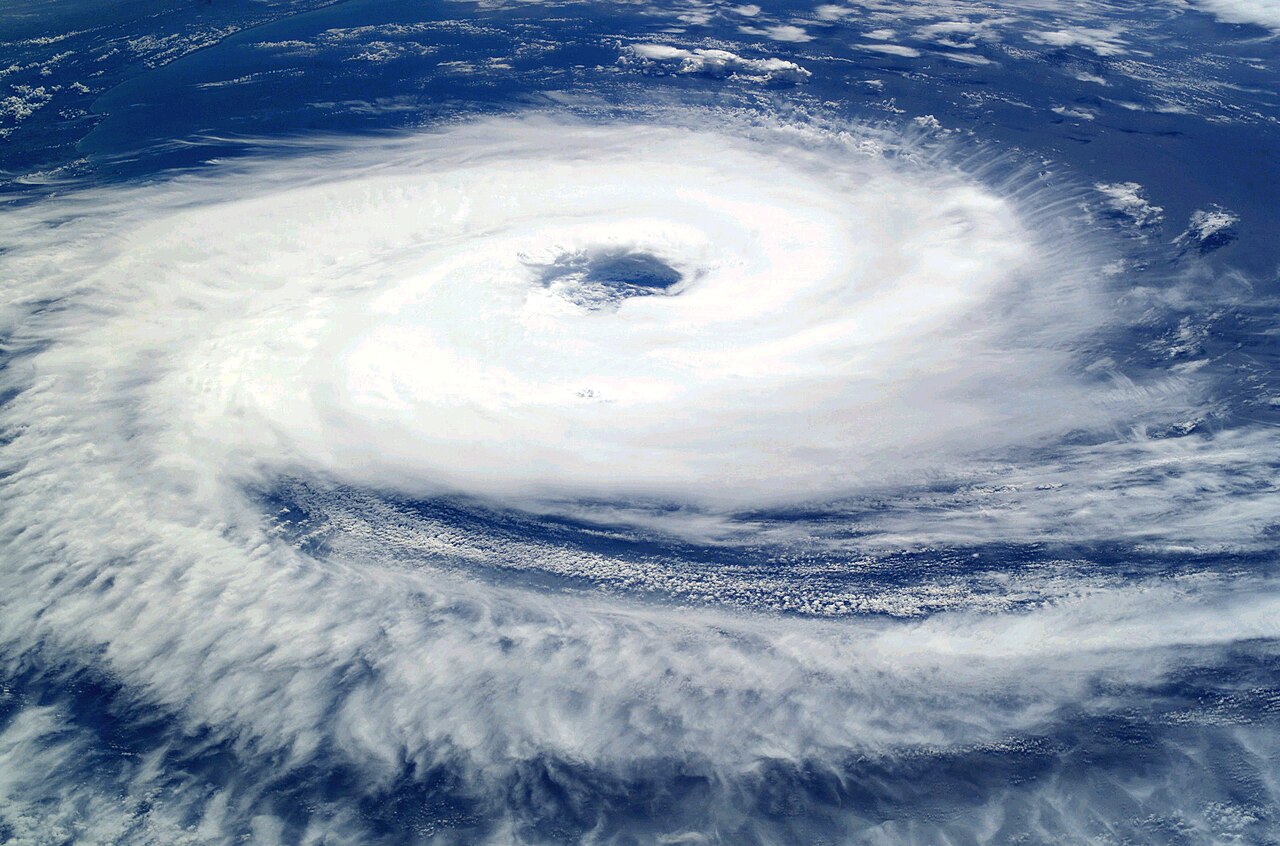


Meteorological development
Lee developed in mid-September when a disorganized area of low pressure over warm Gulf waters consolidated into a tropical cyclone. Although the system never intensified into a hurricane, its slow forward motion and broad circulation allowed bands of heavy rain to persist over the same locations for extended periods. Interactions with larger-scale weather patterns and a gradual inland movement spread rain northward from the Gulf Coast into the Mid-Atlantic and Northeast.
Areas affected
The storm affected a wide corridor of the United States, producing coastal impacts but causing most damage through inland flooding. Major areas impacted included:
- Louisiana — coastal flooding, heavy rainfall, and flash flooding in some communities.
- Texas — peripheral rainfall and localized flooding where feeder bands moved ashore.
- Pennsylvania — prolonged heavy rains that swelled rivers and damaged infrastructure.
- New York — significant inland flooding and impacts to transportation and homes in several counties.
More broadly, the event produced damaging floods from the Deep South into parts of the Mid-Atlantic, compounding ongoing recovery issues in some communities.
Impacts, response, and aftermath
Lee was responsible for 21 confirmed fatalities and caused economic losses exceeding $2 billion, driven largely by flood damage to homes, businesses, and public infrastructure. Local, state, and federal authorities issued emergency declarations, mobilized search and rescue resources, and activated temporary shelters. Recovery included debris removal, repairs to levees and roads, and long-term mitigation planning in flood-prone watersheds.
Although not a high-end wind event, Tropical Storm Lee is often cited as an example of how a tropical cyclone’s rainfall — especially from a slow-moving or long-lived storm — can be the primary driver of destruction. For context about the broader season in which Lee occurred, see the 2011 Atlantic hurricane season. Lee’s impacts reinforced the importance of flood preparedness, resilient infrastructure, and timely emergency response across affected states.
Related articles
Author
AlegsaOnline.com Tropical Storm Lee (2011) Leandro Alegsa
URL: https://en.alegsaonline.com/art/101721