
Tropical Storm Imelda (September 2019)
Tropical Storm Imelda was a slow-moving 2019 Atlantic storm that produced catastrophic flash flooding across parts of southeastern Texas and western Louisiana, causing multiple fatalities and widespread damage.
Overview
Tropical Storm Imelda was a relatively weak but highly destructive tropical system that affected the northern Gulf Coast in September 2019. Forming near the Texas shoreline, the storm produced extreme rainfall over a concentrated area, leading to catastrophic flooding in parts of southeastern Texas and western Louisiana. Although winds remained modest, Imelda's slow motion and persistent convection made it a dangerous rainfall event rather than a wind-driven hurricane.
Image gallery
8 Images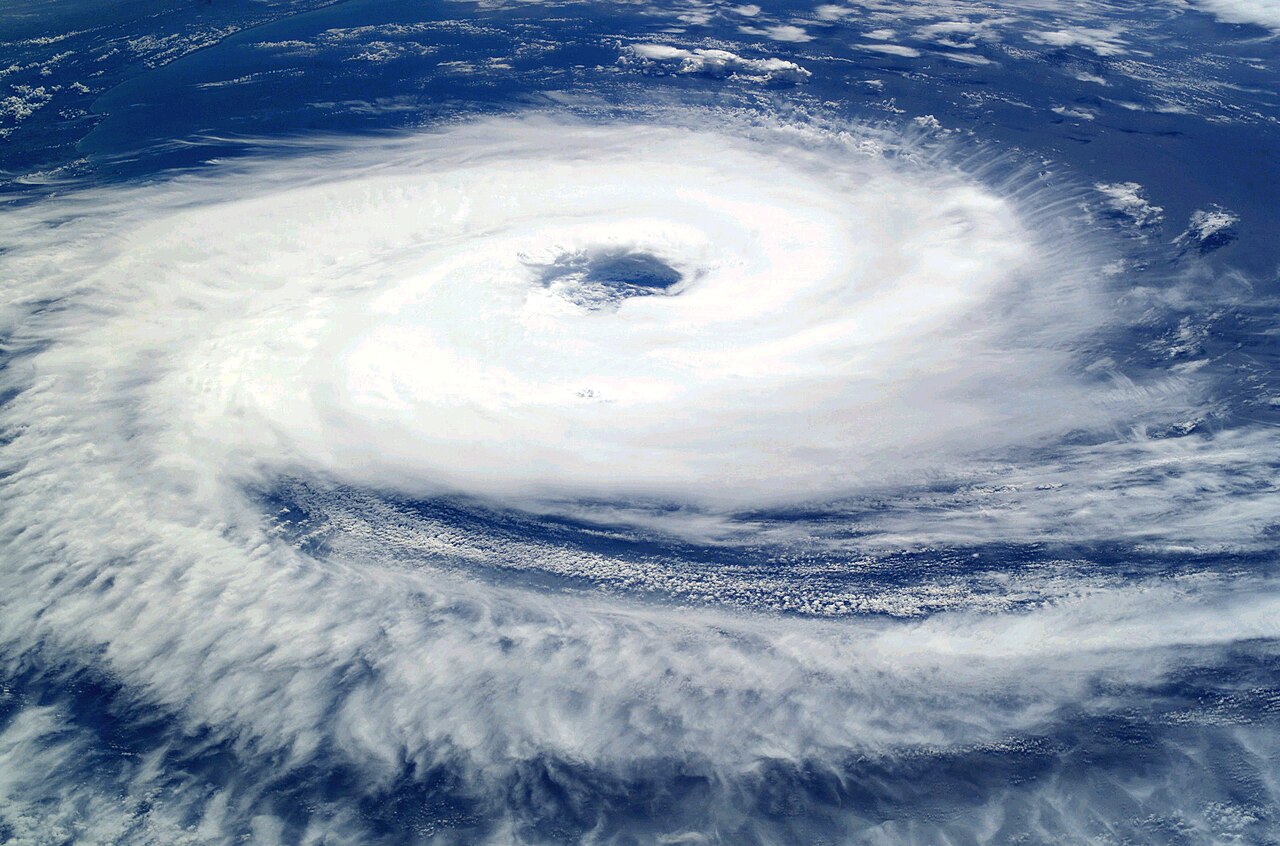


Meteorological history and characteristics
Imelda developed in the northwestern portion of the Atlantic basin as a short-lived tropical system. Classified as a tropical cyclone, it strengthened to tropical storm status near the southeast Texas coast in September 2019 and then moved slowly inland and along the coast. The storm’s forward speed was unusually slow, allowing rain bands to persist over the same communities for many hours. Wind speeds remained below hurricane strength, but the rainfall totals were the primary cause of damage and loss of life.
Impacts: flooding, tornadoes, and human costs
Imelda produced extreme flash flooding across eastern Texas and western Louisiana. The storm caused serious flash flood events that inundated neighborhoods, highways, and businesses. The Galveston and Houston metropolitan region experienced particularly severe inundation; many streets and homes were submerged and emergency services conducted numerous water rescues. Several people lost their lives as a result of flooding, and many more required evacuation or temporary shelter.
- Primary areas affected included parts of Texas and Louisiana.
- The Galveston and Houston areas saw concentrated urban and suburban flooding.
- In addition to inundation, the system spawned multiple tornadoes that caused localized damage.
Response and recovery
Local, state, and federal agencies mobilized search-and-rescue teams, shelters, and relief resources in the immediate aftermath. Volunteers and community organizations played a major role in short-term relief, while municipal governments began assessments of infrastructure damage and long-term recovery needs. Flood insurance claims, road repairs, and rebuilding of damaged homes and businesses continued for months after the event.
Records, comparisons, and notable facts
Imelda is notable because it demonstrated how a storm with limited wind intensity can nevertheless be extremely damaging through rainfall. In terms of rainfall in affected locales, Imelda ranks among the more significant tropical rain events in recent U.S. memory. The storm prompted renewed attention to urban drainage capacity, floodplain mapping, and emergency planning for slow-moving tropical systems.
Lessons and preparedness
Imelda underscored several key points about tropical weather hazards: slow-moving storms can deliver concentrated, devastating rains; flood risk often extends far inland from the coastline; and urban and low-lying areas require specific mitigation measures. Emergency managers emphasize preparedness steps such as having evacuation plans, knowing local flood routes, securing flood insurance where appropriate, and heeding official warnings when heavy rain and flash flooding are forecast.
Related articles
Author
AlegsaOnline.com Tropical Storm Imelda (September 2019) Leandro Alegsa
URL: https://en.alegsaonline.com/art/101714
Sources
- cbsnews.com : Tropical Storm Imelda-Hundreds Call for Help