
Sierra Leone: Overview, History, Resources, and Environment
Concise encyclopedic summary of Sierra Leone covering geography, history, economy, society, biodiversity, and notable facts, with links for further information.
Overview
Sierra Leone is a sovereign state on the west coast of Africa, known for its Atlantic coastline and a history tied to the transatlantic slave trade and abolitionist resettlement. Its capital and main port is Freetown, a coastal city that grew from a settlement for freed enslaved people. English is the official language used in government and education.
Image gallery
10 Images




Geography and physical features
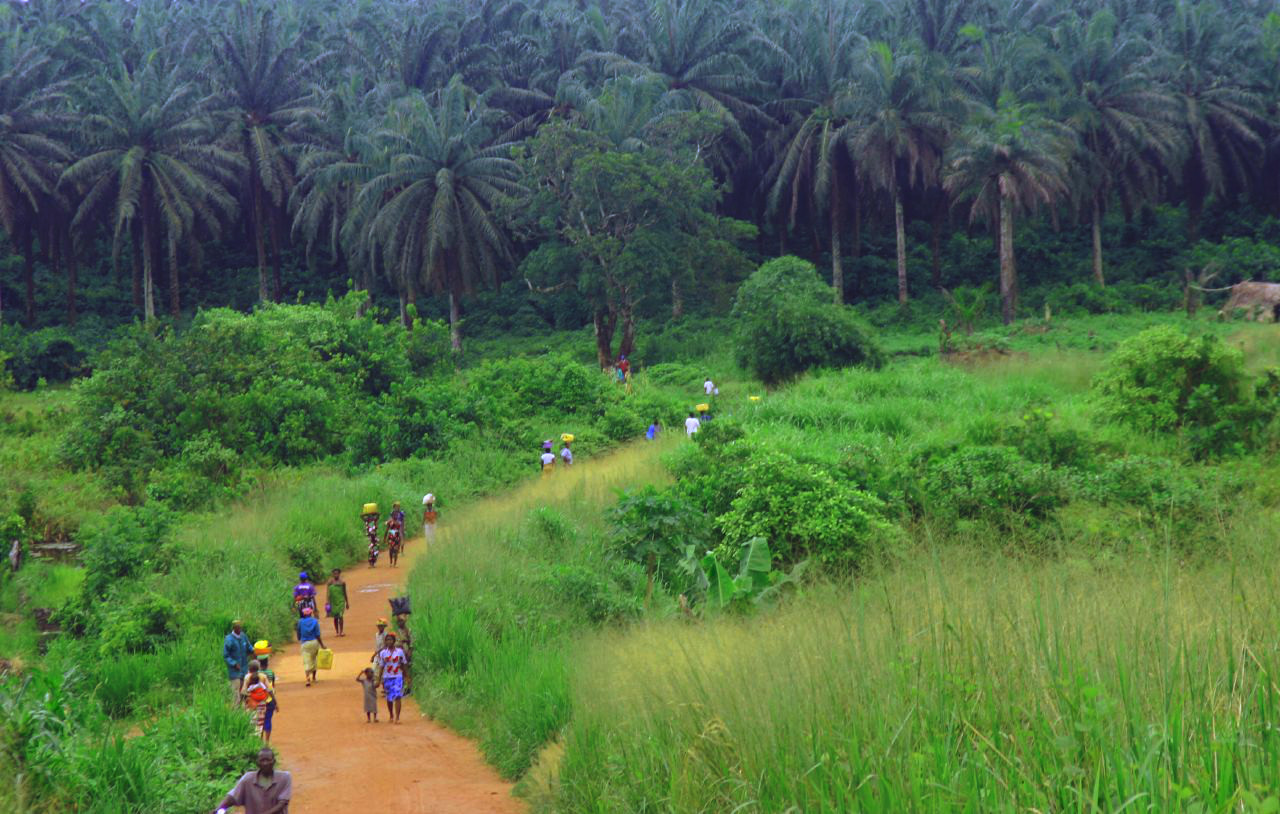
The country occupies a compact area on West Africa's coast and inland regions, with a mix of coastal plains, uplands and rain forest. Its landmass is similar in scale to some smaller European countries, and its harbour at the capital is one of the most important natural ports on the coast. The combination of rivers, wetlands and forested zones shapes local climates and supports a diverse range of habitats.
History and modern conflict
Sierra Leone's modern identity was shaped when resettled freed Africans and other groups established communities on the coast in the late 18th century. After colonial rule, the country achieved independence and later faced serious internal strife. A civil war began in 1991 and continued through the 1990s into the early 2000s, leaving deep social and economic scars. During that period the trade in so-called "blood diamonds" became internationally notorious for helping finance armed groups and prolong the conflict.
Economy and natural resources
The national economy relies heavily on mineral extraction. Diamond mining has been a dominant sector, and the country also produces rutile, titanium-bearing minerals, bauxite and gold. Shipping and port activities around the capital are central to trade. Despite natural wealth, many Sierra Leoneans live with limited income and services, and poverty and development remain major challenges.
People, language and religion
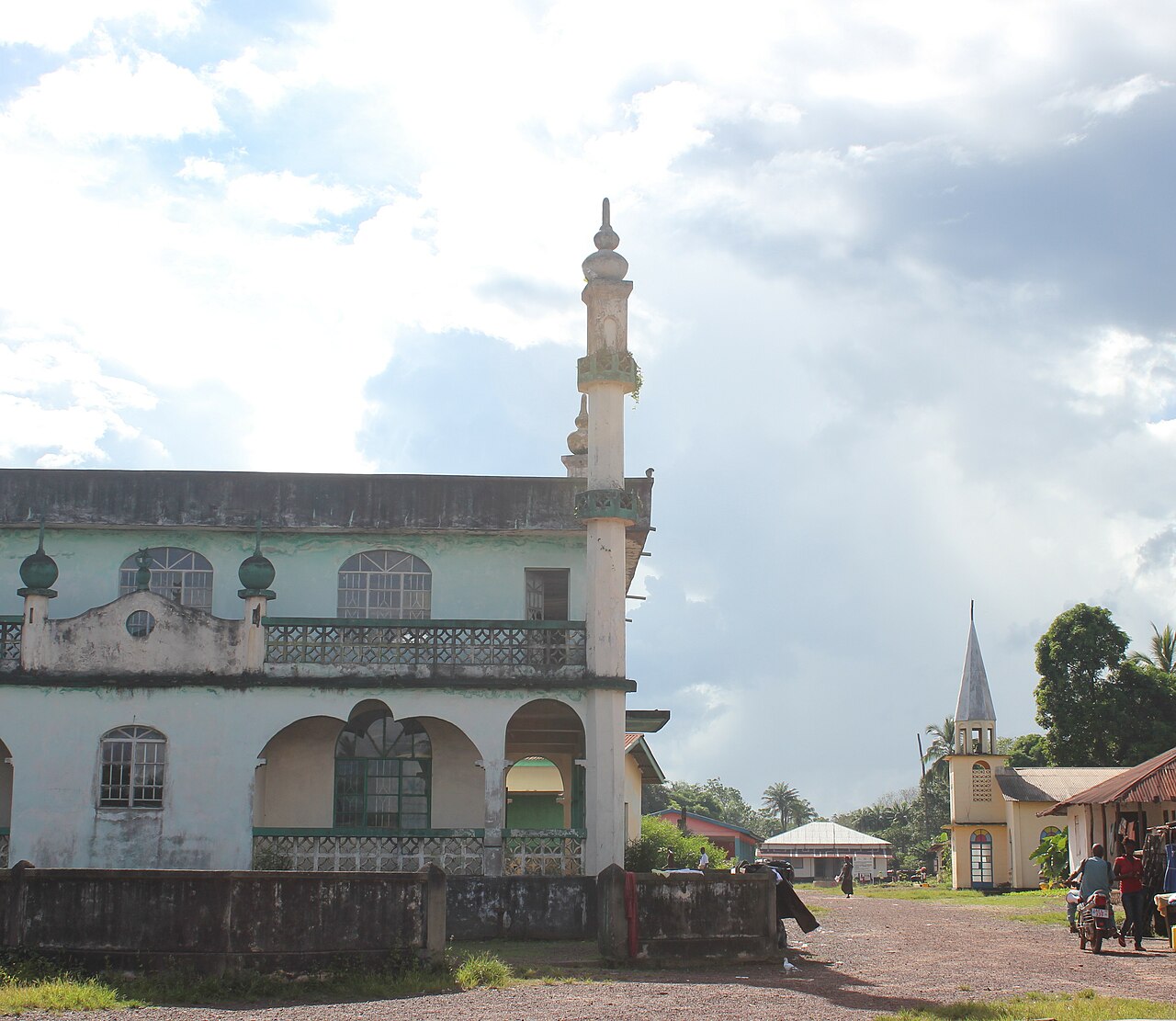
The population comprises numerous ethnic groups and communities with a mixture of cultural traditions. English functions as the official language for administration and schooling, while indigenous languages are used widely in everyday life. Religiously, the country includes large Muslim and Christian communities as well as practitioners of traditional beliefs; Islam is the majority faith in many areas.
Biodiversity and environment
Sierra Leone hosts substantial biological diversity across forests, savannas and coastal waters. Documented species include thousands of higher plants and hundreds of bird and mammal species, along with numerous reptiles, amphibians and freshwater and marine fish. Threats such as habitat loss, mining impacts and unsustainable resource use have placed pressure on ecosystems and prompted conservation efforts.
Distinctions and current issues
Today, Sierra Leone continues post-conflict recovery and development, balancing resource extraction with rebuilding institutions and services. Its history as a haven for freed people, its strategic port, and its complex natural resource base make it a country of notable contrasts: significant natural wealth alongside persistent developmental needs.
Further information
- Geographic location and map
- Freetown: capital and port
- Official language and education
- Civil war: beginning (1991)
- Conflict timeline and resolution in the early 2000s
- History of blood diamonds
- Mineral revenues and wartime financing
- Area comparison and geographic statistics
- Mining sector overview
- Diamond production and industry
- Titanium and rutile deposits
- Bauxite resources
- Gold prospecting and production
- Poverty and development indicators
- Higher plants and botanical diversity
- Avian species and birdlife
- Freshwater and marine fish species
Questions and answers
Q: What is the capital of Sierra Leone?
A: The capital of Sierra Leone is Freetown.
Q: What language is spoken in Sierra Leone?
A: The official language of Sierra Leone is English.
Q: How did Sierra Leone come to be?
A: Sierra Leone was first established as a place for freed slaves to live.
Q: When was the civil war in Sierra Leone?
A: The civil war in Sierra Leone took place from 1991 until 2000.
Q: What are blood diamonds and why were they mined during the civil war?
A: Blood diamonds are diamonds that were mined and sold during the civil war in order to buy weapons for the conflict.
Q: How large is Sierra Leone compared to Ireland?
A: In terms of land area, Sierra Leone is similar in size to Ireland, with 71,740 square kilometres of land.
Q: What natural resources does Sierra Leone have?
A:Sierra Leone has relied on mining, especially diamonds, for its economic base and it also has one of the world's largest deposits of rutile and produces titanium, bauxite and gold. It also has the third largest natural harbour in the world at Queen Elizabeth II Quay in Freetown.
Related articles
Author
AlegsaOnline.com Sierra Leone: Overview, History, Resources, and Environment Leandro Alegsa
URL: https://en.alegsaonline.com/art/90282
Sources
- imf.org : "Sierra Leone"
- news.bbc.co.uk : "UN targets 'blood diamonds' trade"
- indexmundi.com : "Sierra Leone Population below poverty line – Economy"
- oluseguntoday.wordpress.com : 71% of Sierra Leoneans are Muslims « Oluseguntoday's Blog
- rtbot.net : Islam In Sierra Leone Information, Videos, Pictures and News
- news.sl : Sama Banya wants Awareness Times to call Tom Nyuma a Buffoon
- dol.gov : "Sierra Leone"
- hdrstats.undp.org : "Human Development Report 2009 – Proportion of international migrant stocks residing in countries with very high levels of human development (%)"
- daco-sl.org : "Final Results 2004 population and housing census"
- world-gazetteer.com : World Gazetteer: Bombali – profile of geographical entity including name variants
- world-gazetteer.com : World-gazetteer.com
- world-gazetteer.com : World Gazetteer: Tonkolili – profile of geographical entity including name variants
- world-gazetteer.com : World Gazetteer: Kambia – profile of geographical entity including name variants
- world-gazetteer.com : World Gazetteer: Kenema – profile of geographical entity including name variants
- world-gazetteer.com : World Gazetteer: Kailahun – profile of geographical entity including name variants