
Pope Innocent III: pontificate, reforms, and influence (1198–1216)
Pope Innocent III (c.1160–1216) was a powerful medieval pontiff who asserted papal authority, convened the Fourth Lateran Council, influenced crusading policy, and shaped canon law and Church-state relations.
Overview
Born Lotario (or Lothar) de' Conti di Segni around 1160–1161, Innocent III became pope in 1198 and led the church until his death in 1216. He is widely regarded as one of the most energetic and assertive medieval pontiffs. As a learned cleric he combined administrative reforms with vigorous interventions in European politics. He was an Italian priest who served as the 177th pope and shaped the course of the papacy at the height of medieval Christendom.
Image gallery
10 Images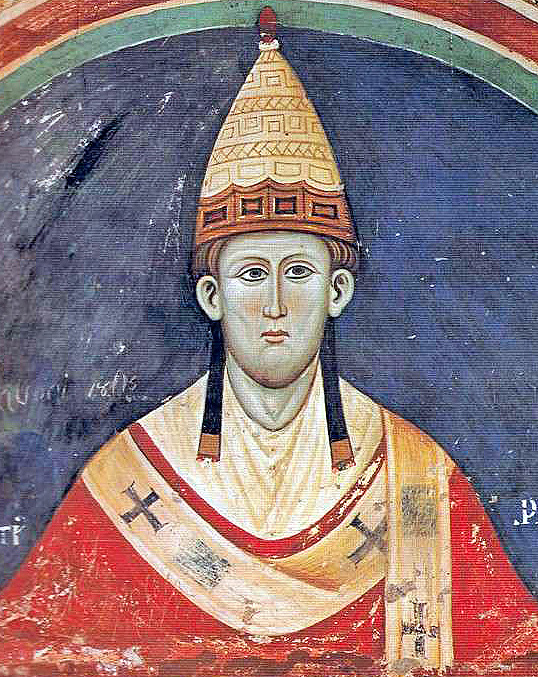




Authority and administration
Innocent articulated a clear theory of papal primacy and worked to strengthen central papal institutions. He expanded the curia's role in governance and used legates, decretals and judicial procedures to increase Rome's influence. His policies reinforced the idea that the pope had a role not only as a spiritual leader but also as an arbiter among Christian rulers.
Notable actions and reforms
- Called the Fourth Lateran Council (1215), which issued wide-ranging canons on doctrine, clerical conduct and lay practice.
- Promoted reforms to improve clerical discipline and pastoral care, including requirements for confession and communion.
- Shaped medieval canon law through decretals and legal rulings that later fed into collections of ecclesiastical law.
Crusades and diplomacy
Innocent played a central role in organizing crusading efforts. He called for a new crusade to recover the Holy Land and sanctioned campaigns such as the Albigensian Crusade against the Cathar movement in southern France. The Fourth Crusade, which he initially endorsed, was diverted to Constantinople in 1204; the resulting sack strained relations between East and West and was at odds with Innocent's intentions. He also used spiritual sanctions, including an interdict on England during the reign of King John, to influence secular rulers and negotiate settlements.
Support for new movements and legacy
Innocent witnessed and supported the rise of mendicant movements and new religious energy in Europe, giving recognition and protection to emerging orders. His reforms and council canons had long-term effects on pastoral practice, theological definitions (including affirmations about the Eucharist) and the institutional power of the papacy. Historians generally view him as a pivotal figure who reshaped church governance and its relationship with medieval states. He died in July 1216, leaving a complex legacy of reform, legal consolidation and political intervention.
Why he matters
Innocent III's pontificate marks a turning point when the papacy exercised extraordinary influence over doctrine, law and international affairs. His combination of legal skill, organizational reform and assertive diplomacy set patterns that guided the medieval church for generations.
Questions and answers
Q: Who was Pope Innocent III?
A: Pope Innocent III was an Italian priest of the Roman Catholic Church and the 177th Pope from 1198 until his death in 1216.
Q: When was Pope Innocent III born?
A: Pope Innocent III was born in 1160 or 1161.
Q: How long was Pope Innocent III the Pope?
A: Pope Innocent III was the Pope for 18 years, from 1198 until his death in 1216.
Q: What was Pope Innocent III's real name?
A: Pope Innocent III's real name was Innocentius Tertius.
Q: What was Pope Innocent III's role in the Roman Catholic Church?
A: Pope Innocent III was a priest of the Roman Catholic Church and served as the 177th Pope.
Q: What is the significance of Pope Innocent III in history?
A: Pope Innocent III is an important figure in medieval history as he was a powerful and influential Pope who greatly strengthened the authority of the Roman Catholic Church.
Q: When did Pope Innocent III die?
A: Pope Innocent III died on July 16, 1216.
Author
AlegsaOnline.com Pope Innocent III: pontificate, reforms, and influence (1198–1216) Leandro Alegsa
URL: https://en.alegsaonline.com/art/128884