
Normans: Viking settlers who formed Normandy and shaped medieval Europe
The Normans were Norse-descended settlers in northern France who formed the Duchy of Normandy, conquered England in 1066, and influenced medieval politics, law, architecture and culture across Europe.
Overview
The Normans were originally Norse seafarers who settled in what became northern France and established a powerful regional polity. Their identity combined Scandinavian roots with Frankish and Latin institutions. Over the course of a few generations they became influential rulers, warriors, administrators and builders across western Europe.
Image gallery
10 Images


Origins and settlement
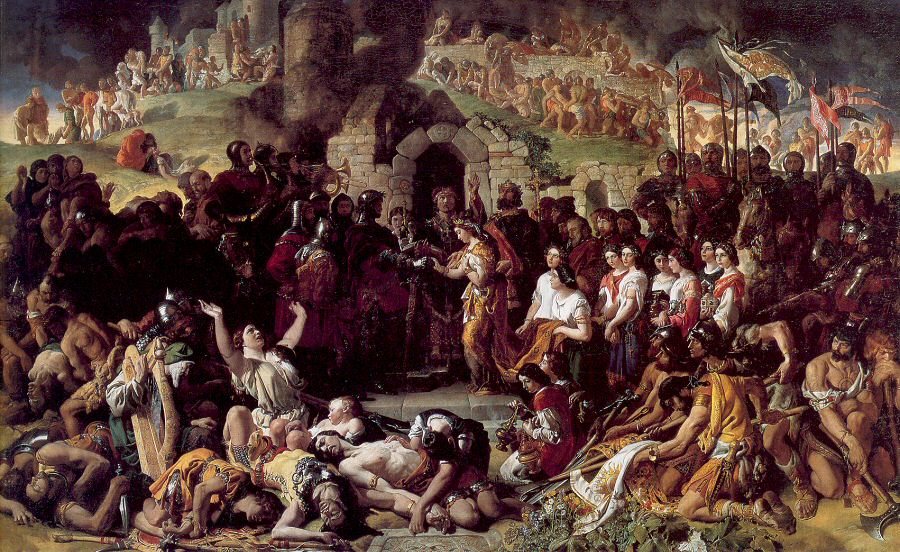
In the 9th and 10th centuries groups of Vikings raided and then settled along the coasts and rivers of continental Europe. These settlers adapted to local customs, converted to Christianity and intermarried with the local population. The territory they controlled came to be known as Normandy; its inhabitants are often described as Vikings turned feudal lords in northern France.
Conquest of England
The most famous Norman achievement was the invasion of England in 1066. At the Battle of Hastings (Battle of Hastings) William of Normandy defeated the Anglo-Saxon king and established Norman rule. Norman governance reshaped English politics and landholding patterns and began a period often called the Anglo-Norman era.
Administration, language and culture
Norman rulers implemented feudal structures, reorganized royal administration, and brought Norman French as the language of the court and law. They patronized the church, reformed some institutions, and encouraged continental trade and legal changes that influenced later English common law.
Architecture and construction
The Normans are celebrated for their military and ecclesiastical architecture. They built many fortifications and stone churches, introducing a robust Romanesque style often called "Norman architecture." Famous examples in England include the Tower of London and Windsor Castle.
Expansion and legacy
Beyond England and Normandy the Normans also established states in southern Italy and Sicily and took part in Mediterranean politics. Their hybrid culture—Norse origin, Frankish political forms and Latin religion—left lasting marks on law, language, place names, architecture and aristocratic culture across Europe.
- Key regions: Normandy, England, southern Italy, Sicily
- Notable impacts: architecture, feudal administration, legal and linguistic influence
Note: The Norman identity changed over time from Scandinavian raiders to settled rulers who operated within the broader medieval European order.
Questions and answers
Q: Who were the Normans?
A: The Normans were Vikings who settled in northern France.
Q: What did the Normans do in France?
A: In France, the Normans made a kingdom called Normandy.
Q: When did the Normans invade England?
A: The Normans invaded England in 1066.
Q: What was the name of the battle between the Normans and the English?
A: The Battle Of Hastings was the name of the battle between the Normans and the English.
Q: How long did the Normans rule England?
A: The Normans ruled England for about 300 years.
Q: What were some of the landmarks that the Normans built in England?
A: The Normans built the Tower of London, Windsor Castle and many other stone castles in England.
Q: What legacy did the Normans leave behind in England?
A: The Normans left behind a legacy of impressive stone castles in England.
Related articles
Author
AlegsaOnline.com Normans: Viking settlers who formed Normandy and shaped medieval Europe Leandro Alegsa
URL: https://en.alegsaonline.com/art/70771