
The Twilight Zone (1959 TV series)
Anthology television series created by Rod Serling combining science fiction, fantasy, horror and social commentary; known for standalone, twist-ending episodes and lasting cultural influence.
Overview
The Twilight Zone is an American anthology television series created and largely written by Rod Serling that debuted in 1959. Each episode presents a self-contained story that blends elements of science fiction, fantasy, psychological drama and horror. Many installments conclude with an ironic or unsettling twist that reframes the narrative. The original run produced 156 episodes and introduced wide audiences to speculative ideas on a weekly basis.
Image gallery
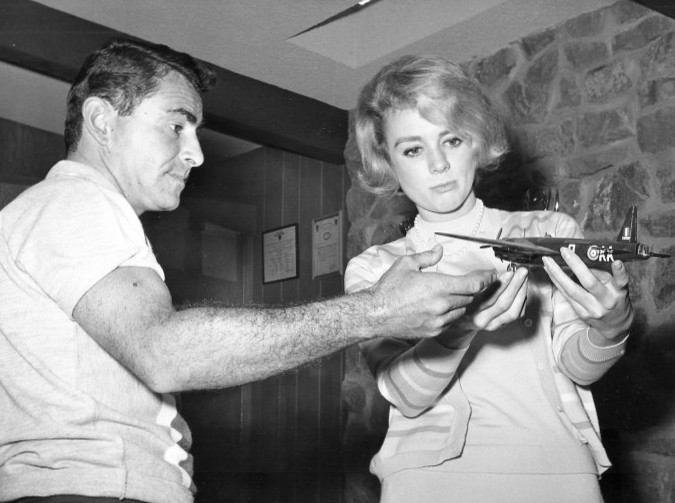
5 Images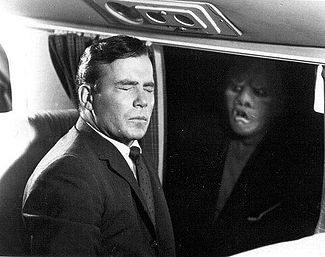



Format, tone and recurring features
The series is episodic and non-serialized: episodes rarely share characters, settings or plots. Early seasons used a half-hour format; the fourth season experimented with one-hour episodes before returning to half-hour shows. Serling's opening and closing narrations framed each tale, and black-and-white cinematography, moody music, and economical storytelling helped create a distinctive atmosphere. Themes often revolved around moral dilemmas, fear of the unknown, and critique of social trends.
Creation and principal contributors
Rod Serling conceived the show as a place to dramatize ideas that were difficult to address in conventional television drama. He wrote a large share of the episodes and supervised scripts by other writers. Notable contributors included contemporary genre authors and playwrights who adapted short fiction and supplied original scripts. The program also drew on the work of established short‑story writers and dramatists, giving television exposure to speculative literature.
Social commentary and themes
While frequently catalogued as entertainment, the series used speculative scenarios to explore real-world anxieties: Cold War fears, threats of nuclear escalation, conformity, prejudice, and the tension between technology and humanity. Writers masked topical critiques within allegory or fantastical premises so that censorship and sponsor concerns were often avoided while still addressing serious ideas.
Broadcast history, revivals and adaptations
The success of the original series inspired revivals, feature-film adaptations, radio dramatizations, comic books and other licensed works over subsequent decades. One revival appeared in syndication and on network television in the 1980s; another new series was broadcast in the early 2000s. A feature film version and various printed adaptations have kept the brand in public view and introduced the concept to newer generations.
Legacy and notable facts
The Twilight Zone is widely regarded as a landmark in television storytelling. It expanded what television audiences expected from the medium, demonstrated how genre fiction could carry weighty ideas, and influenced later writers, filmmakers and series that combine speculation with social critique. Several episodes remain frequently cited as classics of short-form television drama.
Selected links and resources
- Resource 1
- Resource 2
- Resource 3
- Resource 4
- Resource 5
- Resource 6
- Resource 7
- Resource 8
- Resource 9
- Resource 10
- Resource 11
- Resource 12
- Resource 13
- Resource 14
- Resource 15
- Resource 16
- Resource 17
- Resource 18
- Resource 19
- Resource 20
- Resource 21
- Resource 22
- Resource 23
- Resource 24
- Resource 25
- Resource 26
- Resource 27
- Resource 28
- Resource 29
- Resource 30
- Resource 31
Questions and answers
Q: What is The Twilight Zone?
A: The Twilight Zone is an American television series created by Rod Serling. It is a series of unrelated stories of drama, psychological thriller, fantasy, science fiction, suspense and/or horror, often ending with a dark or unexpected twist.
Q: Who wrote for The Twilight Zone?
A: Aside from Rod Serling himself who wrote nearly two-thirds of the series' total episodes, writers for The Twilight Zone included authors such as Charles Beaumont, Richard Matheson, Jerry Sohl, George Clayton Johnson, Earl Hamner Jr., Reginald Rose, Harlan Ellison and Ray Bradbury. Many episodes also featured adaptations of classic stories by such writers as Ambrose Bierce, Lewis Padgett, Jerome Bixby and Damon Knight.
Q: What was the success of the first series?
A: The first series was a popular and critical success which introduced many Americans to serious science fiction and abstract ideas through television and Twilight Zone books and comics. This success would lead to two revival series; one that ran on CBS in the 1980s and another that ran on UPN from 2002 to 2003. It would also lead to a movie adaptation as well as radio series', comic books', magazines' and other spin-offs that have gone on for 50 years.
Q: How were themes addressed in The Twilight Zone?
A: Writers often used science fiction as a way for social commentary in order to address themes like nuclear war, mass hysteria or McCarthyism which could not be discussed openly on primetime television at the time due to censorship regulations.
Q: How long did each season last?
A: Seasons 1-3 & 5 were half hour shows while Season 4 (1962–1963) contained one-hour episodes. In total there were 156 episodes across all seasons combined.
Related articles
Author
AlegsaOnline.com The Twilight Zone (1959 TV series) Leandro Alegsa
URL: https://en.alegsaonline.com/art/99017