
Comics: An Introduction to Sequential Art, Forms, and History
Comics are stories told through sequential images and words. This article explains their elements, formats, development, global variations (including manga), and cultural uses.
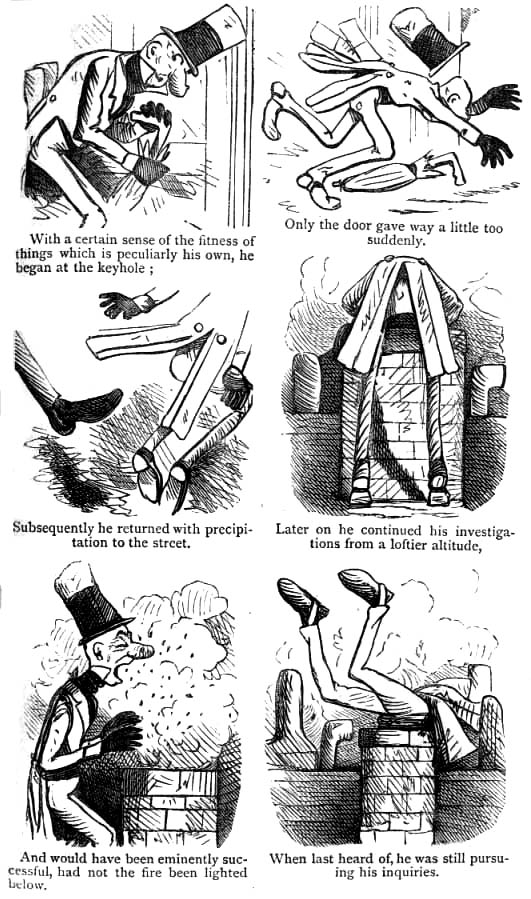
Comics are a form of sequential art in which a narrative or information is conveyed primarily through a series of images, often combined with text. Readers follow a sequence of framed images known as panels, which are arranged to indicate the order of events in time. The spaces between panels—called gutters—help suggest movement and pacing. When words are included, they appear as captions, sound effects, or inside word balloons, allowing characters to speak or think.
Image gallery
10 Images




Elements and common formats
Comics include a set of recurring components that shape how stories are read and interpreted: panels, gutters, gutters' timing cues, figure drawing, background detail, lettering, and the placement of text. These building blocks combine differently across formats. Typical forms include:
- Comic strips — short, usually humorous sequences that historically appeared in newspapers.
- Comic books — thin, periodical magazines presenting serialized stories or short installments.
- Graphic novels — book-length works that use comic techniques to tell a complete, often longer-form narrative.
History and development
The modern idea of comics grew from earlier traditions of sequential images and captioned prints. In the 19th and early 20th centuries, illustrated newspapers and humorous strips established conventions such as panel order and speech balloons. Early American comic strips were frequently comedic—hence the term "comic"—and many early comic books collected these strips. Throughout the 20th century, comics expanded into adventure, superhero, romance, and adult themes, evolving visual language and production methods along the way.
Global variation: manga and other traditions
Different cultures developed distinct comic traditions. In Japan, a rich and varied industry produced works collectively known by the Japanese word manga. Manga covers many genres and age groups and follows domestic publishing patterns that differ from Western models, such as long serialized chapters collected into volumes. Other regions, including Europe, Latin America, and Korea, have their own conventions and formats, each contributing unique storytelling approaches and artistic styles.
How comics communicate: words and images
Comics rely on the interplay of image and text. Dialogue and commentary often appear through speech devices: speech balloons for spoken words, thought balloons for interior monologue, and caption boxes for narration or scene-setting. Visual cues—camera angles, panel size, and page layout—control pacing and emphasis. Sound effects are rendered graphically to supplement the visual sense of action.
Uses, significance, and distinctions
Comics serve entertainment, education, opinion, and artistic experimentation. They can introduce readers to complex subjects, offer cultural critique, or provide immersive fiction. Important distinctions exist between format and tone: a "comic" can be humorous or serious; a "graphic novel" suggests a book-length treatment but shares the same fundamentals as shorter comics. Recognition of comics as a versatile medium has grown in literature, academia, and popular culture, where they are studied for storytelling technique as well as social and historical insight.
For further reading on panels and layout, formats such as comic books and graphic novels, or the global impact of manga, consult specialized resources and collections that explore both practical craft and cultural context.
Questions and answers
Q: What is a comic strip?
A: A comic strip is a short comic which is often found in newspapers.
Q: What are graphic novels?
A: Graphic novels are books of comics.
Q: What does manga mean?
A: The Japanese word for comics is manga, and people use this word for Japanese comics in English and other languages.
Q: How did the first comic strips in the United States get their name?
A: The first comic strips in the United States were funny, so they were called "comic strips" because "comic" is another word for "funny".
Q: How do stories or information get communicated in comics?
A: In comics, stories or information are given using pictures, or pictures and words together. In comics, a story is told with many pictures, mostly in panels.
Q: What kind of balloons are used to show speech in comics?
A: In comics, speech is usually shown through word balloons such as the "speech balloon", the "thought balloon" and the "scream balloon".
Tags
Related articles
Author
AlegsaOnline.com Comics: An Introduction to Sequential Art, Forms, and History Leandro Alegsa
URL: https://en.alegsaonline.com/art/21922