
Science fiction: an overview of themes, forms, and cultural impact
Science fiction is speculative fiction exploring imaginative scientific, technological, and social possibilities through novels, film, games and other media, shaping ideas about the future and society.
Overview
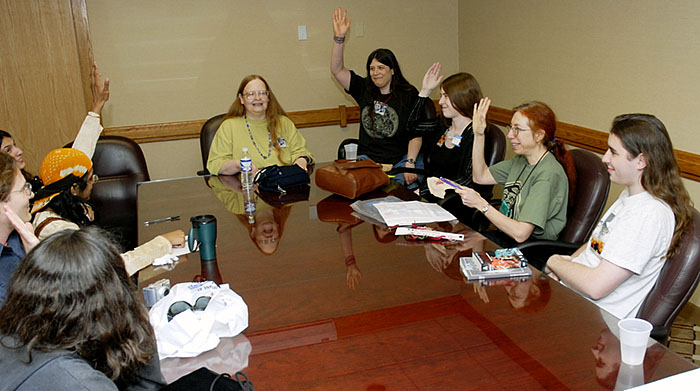
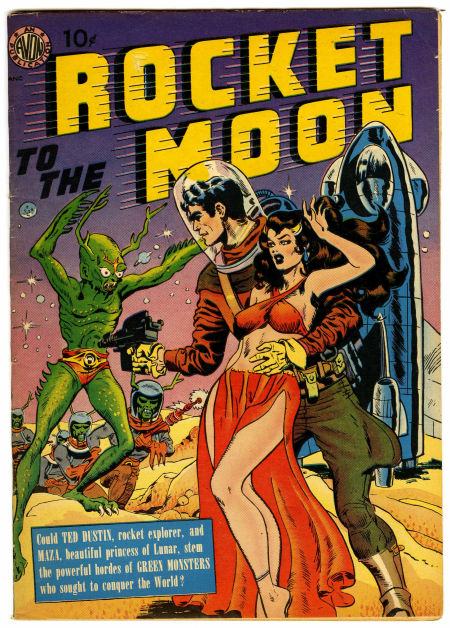
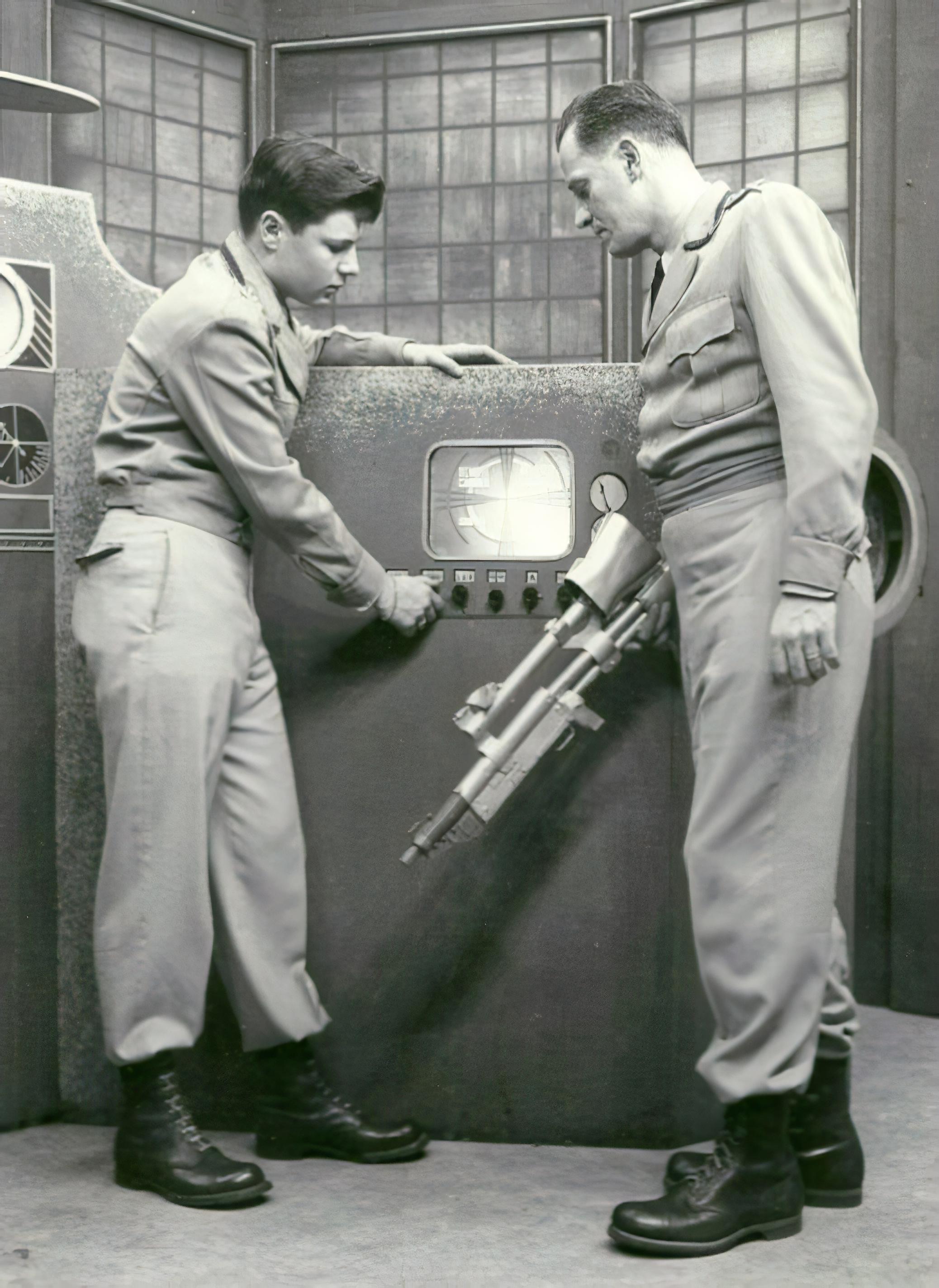
Science fiction is a branch of speculative fiction that examines the consequences of imagined advances in advanced science and technology, often set against backdrops of space exploration or interstellar travel. It is sometimes called the "literature of ideas" because it uses fictional settings to test hypotheses about human nature, society, and possible futures. Works appear across many media, including novels, movies, television, video games, comics and other forms of literature. At its core SF asks how changes in knowledge and invention affect individuals and cultures.
Image gallery
10 Images



Key characteristics
Science fiction typically features speculative premises—new sciences, hypothetical technologies, or altered physical laws—that are central to the plot. Authors use extrapolation from known science to imagine plausible outcomes, while some strands prioritize social, psychological, or philosophical exploration over technical detail. Recurring elements include encounters with aliens and alien creatures, artificial intelligences and robots, altered environments, and engineered societies. Worldbuilding and internal consistency are often important, giving readers a coherent world in which to explore ethical and practical questions.
History and development
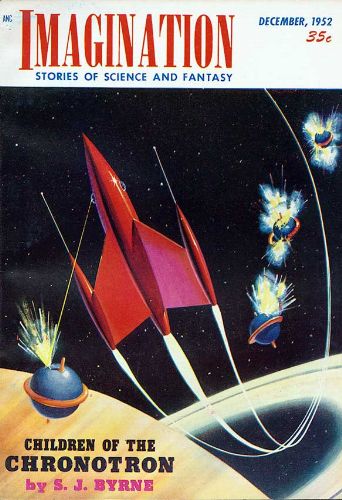
Roots of science fiction can be traced to imaginative tales that engaged with contemporary science and invention. Early proto-SF works explored electricity, automatons, and voyages beyond known limits; later writers such as Jules Verne and H. G. Wells popularized stories centered on technological wonder and social consequence. The field expanded across the twentieth century through magazines, novels, and film, with periods often labeled as the Golden Age, New Wave, and postmodern phases. Prominent figures like Isaac Asimov helped define modern conventions, while diverse voices have since broadened themes and styles.
Subgenres and forms
- Hard science fiction: emphasizes technical accuracy and scientific plausibility.
- Soft science fiction: focuses on social sciences, psychology, and character.
- Space opera: grand, often romantic adventures on an interstellar scale.
- Cyberpunk: near-future, high-tech settings with social decay and corporate power.
- Dystopia and utopia: speculative societies used to critique present conditions.
- Alternate history: reimagines historical outcomes based on different technologies or decisions.
Alongside these categories, SF overlaps with other genres; it is commonly contrasted with fantasy, which relies on supernatural or magical premises rather than speculative science.
Functions, themes, and examples
Writers and creators use science fiction to explore ethical dilemmas, imagine social change, or dramatize technological risk and promise. Themes include the meaning of consciousness, consequences of ecological change, inequality amplified by new systems, and encounters with nonhuman intelligences. The genre is a testing ground for ideas about responsibility, identity, and governance, and it frequently serves as a mirror for contemporary anxieties.
Influence and significance
Science fiction has had measurable cultural influence: it shapes public imagination about innovation and the future, inspires scientific research, and informs debates about technology policy and ethics. Its stories—whether intimate novels or large-scale movies—offer both cautionary tales and hopeful visions. As a creative field, SF continues to diversify, bringing new perspectives and reinterpreting familiar motifs for contemporary audiences concerned with questions of progress, justice, and survival.
Beyond entertainment, science fiction functions as a cultural laboratory: speculative devices and scenarios allow readers and viewers to consider novel problems and alternative solutions. By placing ordinary dilemmas in different contexts, authors illuminate persistent human questions about choice, power, empathy, and adaptation in a changing world influenced by innovations.
For further reading and media, look for classic and contemporary works in several formats—print, film, and interactive media—as examples of how the genre continues to evolve across forms such as video games and serialized screen storytelling.
Questions and answers
Q: What is science fiction?
A: Science fiction (often shortened to sci-fi or SF) is a type of speculative fiction which deals with imaginative and futuristic concepts such as advanced science and technology, space exploration, interstellar travel, parallel universes, and extraterrestrial life.
Q: How can science fiction stories be presented?
A: Science fiction stories can be presented in the form of novels, movies, TV shows, video games, comic books and other literature.
Q: What is the difference between science fiction and fantasy?
A: Science fiction is drastically different from fantasy. Fantasy stories often have magic and other things that do not exist in reality whereas science fiction usually has elements of advanced science and technology that do not yet exist in reality.
Q: Who was a famous science fiction writer?
A: Isaac Asimov was a famous science fiction writer.
Q: What did Isaac Asimov say about the difference between fantasy and science fiction?
A: Isaac Asimov once said that science fiction is possible but fantasy is not.
Q: Why do writers use SF to explain everyday questions or problems?
A: Writers often use SF to explain everyday questions or problems by putting them in the future so they can invent a very different world to help people notice important ideas.
Related articles
Author
AlegsaOnline.com Science fiction: an overview of themes, forms, and cultural impact Leandro Alegsa
URL: https://en.alegsaonline.com/art/88026
Sources
- commons.wikimedia.org : Science fiction
- sfsite.com : "The SF Site: Science Fiction & Fantasy -- a genre with many faces"
- aer.noao.edu : "Teaching Astronomy with Science Fiction: A Resource Guide"
- sigmaforum.org : Scientist science fiction authors
- nvcc.edu : "A History of Science Fiction"
- tor.com : Age of Wonders
- britannica.com : Science fiction
- scifi.com : "Off the Shelf: In the Presence of Mine Enemies"
- publishersweekly.com : "Master of Alternate History"
- infinityplus.co.uk : "Foreword to "Cyberpunk," a short story by Bruce Bethke"
- web.mit.edu : "Joe Haldeman, 1943-"
- baen.com : "Website Interview with Toni Weisskopf on SF Canada"
- plato.stanford.edu : "Time Travel and Modern Physics"
- io9.com : "10 Greatest Libertarian Science Fiction Stories - Libertarian Science Fiction - io9"
- fanac.org : "Fancyclopedia I: C — Cosmic Circle"