
Commentary: forms, functions, and historical context
A concise overview of commentary—spoken and written—covering formats, notable examples, historical development, uses in media, literature and art, and distinctions between types.
Overview
Commentary is explanatory speech or writing that interprets events, works, or performances for an audience. In live events it usually takes the form of a running spoken account—an announcer or voice describes and clarifies what viewers are seeing. In scholarship and criticism, commentary appears as notes, essays, or marginalia that illuminate a book, play, painting, or other work.
Image gallery
2 Images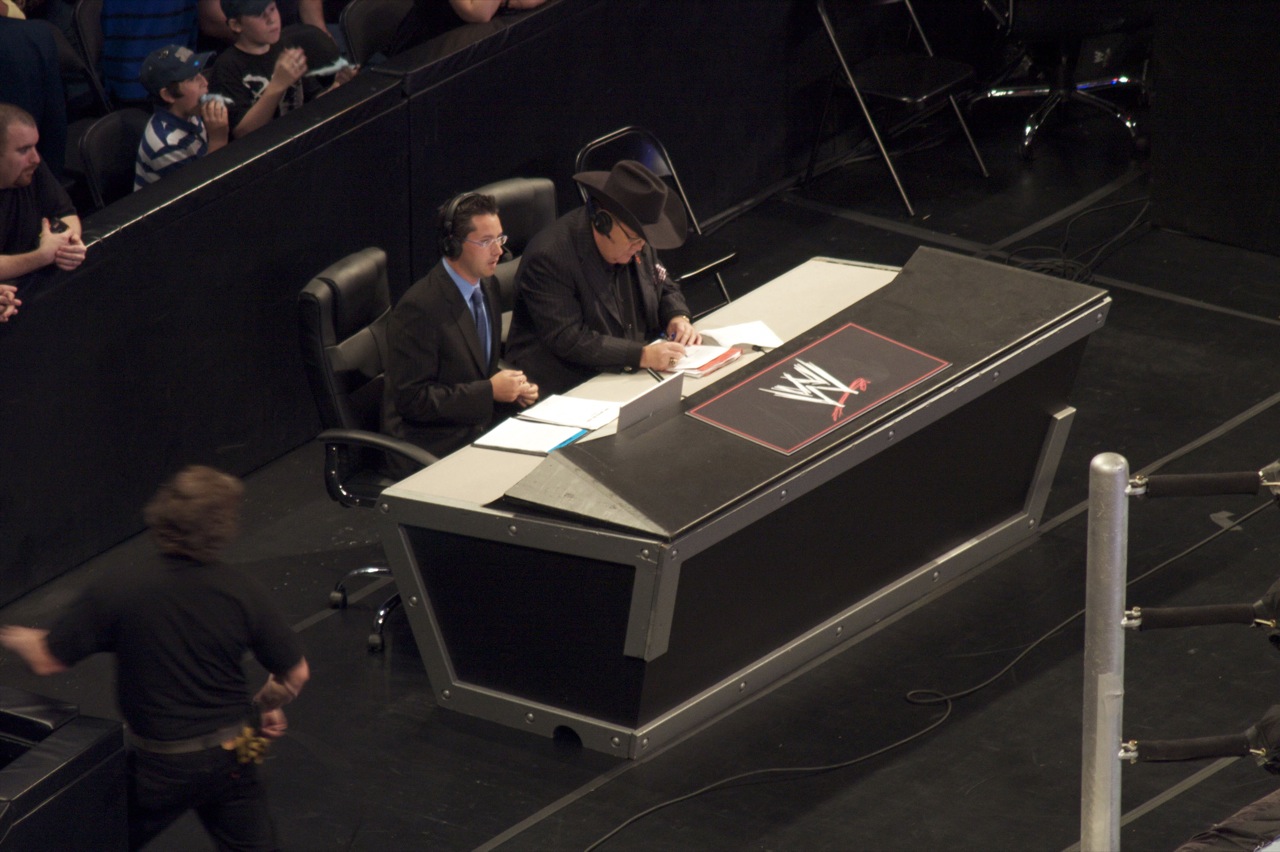

Forms and formats
Different contexts produce distinct commentary formats. Sports broadcasting uses play-by-play and color commentary to narrate and analyze action; courtroom and political commentary often provides interpretation and opinion; and written commentary on texts supplies context, translation, and critical insight. Brief interjections, in-depth analysis, live narration, annotated editions, and podcast episodes are all contemporary forms.
Roles and notable examples
Commentators may be journalists, former participants, academics, or critics. In sports and entertainment, recognizable names have shaped public understanding of events—Jim Ross, Jesse Ventura, and Gorilla Monsoon are examples of personalities who combined description with analysis. In literary and dramatic study, commentary on a book, play, or artwork guides readers through language, historical background, and interpretive choices: see commentary on a book, an annotated edition of a play, or a curator's commentary on a work of art.
History and development
Commentary has ancient roots: oral explanation accompanied public performances in antiquity, and marginal glosses and scholia have been used for centuries to explain sacred and classical texts. With the printing press, annotated editions and critical commentaries became standard in scholarship. Radio and television created the modern live commentator, while the internet and podcasts have expanded commentary into on-demand, multimedia formats that can combine real-time description with long-form analysis.
Uses, value, and distinctions
Commentary serves information, interpretation, and opinion. Good commentary improves comprehension by supplying context, background, and technical explanation without overwhelming the primary material. Distinctions matter: objective reportage differs from interpretive commentary; play-by-play narration differs from color analysis; scholastic commentary differs from journalistic columns. Understanding the form and purpose helps audiences assess credibility and the degree of interpretation versus fact within any commentary.
Common types (at a glance)
- Play-by-play: chronological description of live events.
- Color commentary: expert analysis and anecdote alongside play-by-play.
- Scholarly commentary: line-by-line notes on texts and editions.
- Critical commentary: opinionated analysis in media, art, and politics.
Related articles
Author
AlegsaOnline.com Commentary: forms, functions, and historical context Leandro Alegsa
URL: https://en.alegsaonline.com/art/21952