
Fiction: Definition, Forms, History and Uses
Fiction is storytelling based on imagination rather than strict fact. This article explains what fiction is, its characteristics and history, common forms and genres, and how it differs from non-fiction.
Overview
Fiction refers to narratives created from an author's imagination rather than being strictly factual. A writer, playwright or other creator composes characters, events and settings to convey ideas, emotions or entertainment. Although fictional works may draw on real places, historical moments or public figures, their primary content is crafted rather than recorded. For more on the role of the creator see author and on inspiration see imagination.
Image gallery
5 Images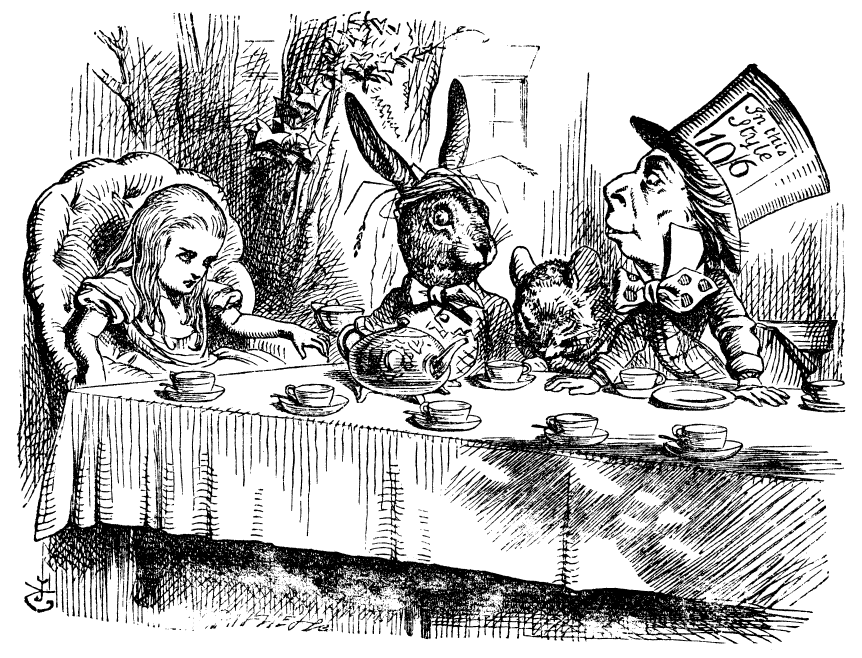




Key characteristics
Fiction typically includes invented plots, imagined characters, and narrative structure—elements such as exposition, conflict, climax and resolution. While writers often research facts to give their stories plausibility, fiction prioritizes coherence, theme and emotional truth over factual accuracy. Style, point of view and voice shape how a fictional tale is experienced. In many institutions such as a public library, fiction is catalogued separately from non-fiction to help readers find imaginative works more easily.
History and etymology
The English term "fiction" comes from the Latin root fictum, meaning something made or formed. Storytelling has ancient roots in oral traditions, myth, legend and early written forms; over time, distinct literary genres developed. As printing and mass literacy expanded, novel forms emerged and diversified, and modern media—stage, film, radio and digital platforms—broadened how fictional narratives are produced and consumed. Fictional representations have long been used to explore human experience and social ideas, whether in myths, folktales or contemporary novels.
Forms, genres and media
Fiction appears across many forms and platforms: short stories, novellas, novels, plays, films, television, audio drama and interactive formats. Common genres include:
- Realistic and literary fiction, focusing on character and theme
- Genre fiction such as mystery, romance, science fiction, fantasy and horror
- Historical fiction, which situates imagined stories within past eras and may incorporate known events or figures (history)
- Speculative fiction, blending hypothetical worlds with social or philosophical questions
Each format imposes different demands: a short story favors compression, a novel allows extended development, and dramatic media add performance, visuals and sound.
Purposes and uses
Fiction serves multiple functions beyond entertainment. It can illuminate moral and psychological dilemmas, offer cultural critique, preserve or reinterpret collective memory, and foster empathy by placing readers in others' perspectives. Educators use fictional narratives to teach language, critical thinking and historical context; creators use fiction to experiment with form and voice; and communities use shared stories to build identity.
Distinctions and notable facts
The boundary between fiction and non-fiction is not always absolute. Works labeled as fictional can incorporate documentary materials, and non-fiction may employ narrative techniques borrowed from fiction. Subgenres like historical fiction and creative nonfiction highlight this overlap: the former fictionalizes past events, while the latter uses imaginative craft to render factual material vividly. For additional context and resources, readers can consult reference pages on authorship and imagination (author, imagination), the role of libraries (library) and distinctions from factual writing (non-fiction, history), and etymological notes (Latin).
Questions and answers
Q: What is fiction?
A: Fiction is any story made up by an author that is a creation of their imagination and not based on history or facts.
Q: What is non-fiction?
A: Non-fiction is writing that deals with facts and true events.
Q: What is the origin of the word fiction?
A: The word fiction comes from the Latin word fictum which means "created".
Q: What is the purpose of fiction?
A: Usually, the purpose of fiction is to entertain.
Q: What is historical fiction?
A: Historical fiction is fiction with real people or events in it that is based on things that happened in history.
Q: How can reality be presented through creative writing?
A: Reality can be presented through creative writing, as imaginative writing can open the reader's mind to significant thoughts about the real world.
Q: Where can fiction be found?
A: Fiction can be found in books, movies, on television or radio and is often separated from non-fiction in libraries.
Related articles
Author
AlegsaOnline.com Fiction: Definition, Forms, History and Uses Leandro Alegsa
URL: https://en.alegsaonline.com/art/34184
Sources
- merriam-webster.com : fiction
- oxforddictionaries.com : Definition of 'fiction'
- amazon.com : B0007ITQBY