
The Waltons (American television drama, 1972–1981)
American family drama created by Earl Hamner Jr., set in rural Virginia (1933–1946). Filmed on the Warner Bros. lot in California, it ran nine seasons and was followed by several television movies and syndication.
The Waltons is an American television series created by Earl Hamner Jr. that originally aired from 1972 to 1981. The program follows a multigenerational family living in rural Virginia and traces daily life and major events through the years roughly between 1933 and 1946. Many episodes depict the household and its neighbors coping with the hardships of the Great Depression and the disruptions of World War II. Told often from the vantage point of the eldest son—John‑Boy, an aspiring writer—the stories emphasize family bonds, moral choices and community solidarity.
Image gallery
4 Images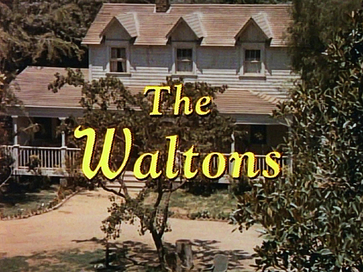


Background and creation
Earl Hamner Jr. drew on his own childhood memories of a large family in the Appalachian region when developing the series, shaping it as a character‑driven drama with an emphasis on domestic life, faith, and intergenerational relationships. The show mixes intimate household scenes with broader social themes, allowing episodes to address loss, work, schooling, wartime service and the slow changes of small‑town life.
Characters and cast
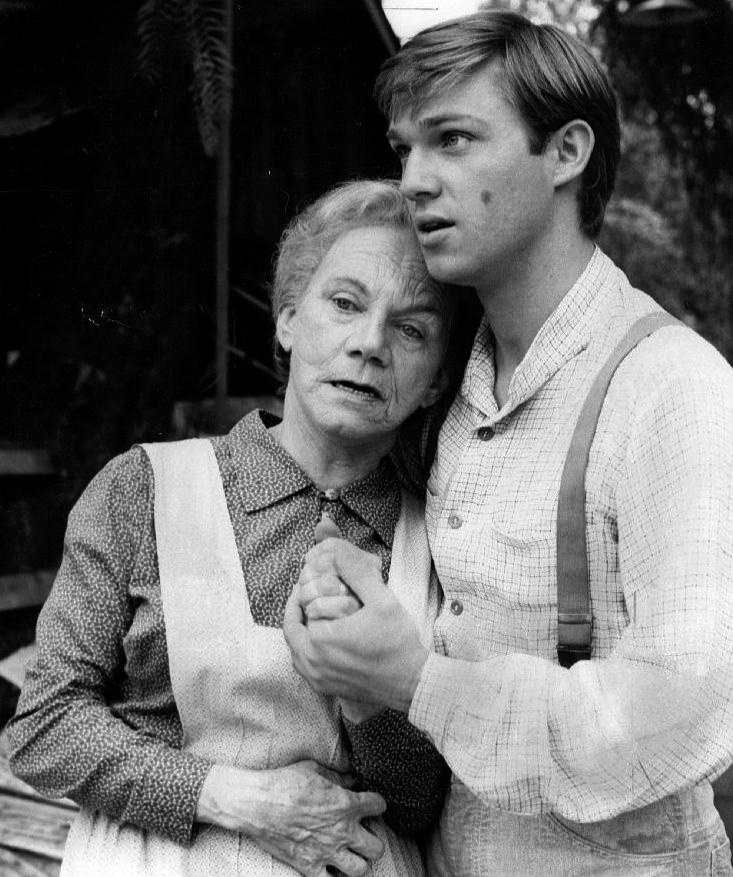
The central household includes parents, a number of children and grandparents who supply experience and continuity. The program is ensemble‑based: the family nucleus provides the core of each episode while recurring neighbors, friends and local figures appear to broaden the social picture. John‑Boy functions as a focal point for viewers, often narrating or reflecting on events and ambitions.
Production and filming
Although the story is set in the mountains of the eastern United States, production took place on studio property in Los Angeles. The Walton house and surrounding exteriors were built on the Warner Bros. backlot to allow reliable interior and exterior shots, continuity of furnishings, and practical access for cast and crew. To suggest the Appalachian landscape, production used painted and planted elements and careful photography; the nearby hillside that appears as a forested backdrop was managed so that the Hollywood Sign would not be visible, and scenes were enhanced to appear more heavily forested through on‑set treatments and modest special effects. These techniques helped the series evoke the look of the Blue Ridge Mountains while remaining practical for television shooting.
Broadcast history, syndication and television movies
The original network run spanned nine seasons and established the series as a staple of family programming. Following the end of the regular run, producers reunited the cast for a series of post‑series projects, including a set of television films; an initial group of three was released in 1982 and additional reunion movies appeared in the 1990s. During and after its network life, the show was distributed and later syndicated by companies such as Warner Bros. Domestic Television Distribution, and these broadcasts helped introduce the series to new generations and markets. Information about the reunion projects and their release is commonly grouped under references to the show's television movies.
Themes and episode structure
Episodes typically balance everyday family matters with larger historical or moral questions. Storylines range from domestic disputes, health and economic worries to community events, seasonal observances and the impact of national developments on local life. The show is notable for its emphasis on storytelling as a vehicle for values—lessons are often drawn through character interaction rather than overt didacticism. Writers and producers worked to maintain period authenticity in costume, dialogue and household detail while crafting narratives accessible to contemporary audiences.
Reception and legacy
The series earned enduring popularity for its warm, earnest portrayal of a working‑class family and its attention to character development. It influenced subsequent television dramas that examined family life in historical settings and is frequently cited in discussions of television representations of the Depression and wartime America. Syndication, home release programs and periodic retrospective coverage have kept the series present in popular memory. The post‑series movies and reunions also contributed to the program’s long‑term visibility.
Further notes
- The Waltons combined personal reminiscence with dramatized narrative to create a recognizable and sympathetic family portrait.
- Production choices—constructing the family home on the studio lot and using backlot scenery—were central to creating a consistent visual identity.
- Distribution through major syndication channels extended the series’ reach beyond its original broadcast years.
For readers seeking episode guides, cast lists and production notes, many broadcasting histories and program retrospectives collect such material; details about the series’ run, its television movies and later appearances in syndication remain available through television reference sources and archival coverage.
Related articles
Author
AlegsaOnline.com The Waltons (American television drama, 1972–1981) Leandro Alegsa
URL: https://en.alegsaonline.com/art/99071