
Film (Movie): Definition, Elements, History and Uses
Introduction to films: definition, core elements (images, sound, narrative), genres, production stages, distribution, and cultural, educational and entertainment uses.
Overview
A movie, or film, is a form of visual art that uses moving images and synchronized sound to present a story, idea or information. As a cultural medium it can be narrative, documentary, experimental or hybrid. Filmmakers and producers combine photographic image, spoken word, music and editing to shape an audience's experience of time, place and emotion. Cinema sits at the intersection of technology, performance and storytelling; it is widely studied as an example of visual art and public communication.
Image gallery
10 Images




Core characteristics and parts
Most films rely on a cluster of interdependent elements. These typically include a screenplay or concept, direction, acting, cinematography (how images are recorded), sound (dialogue, music, effects), production design, and editing (how shots are arranged). Each element influences meaning, tone and audience response. Visuals and audio work together: composition, framing and lighting create the look, while music and effects shape mood; see also discussion of images and sounds. Ultimately editing and narrative structure allow filmmakers to tell stories or present arguments and ideas.
History and technical development
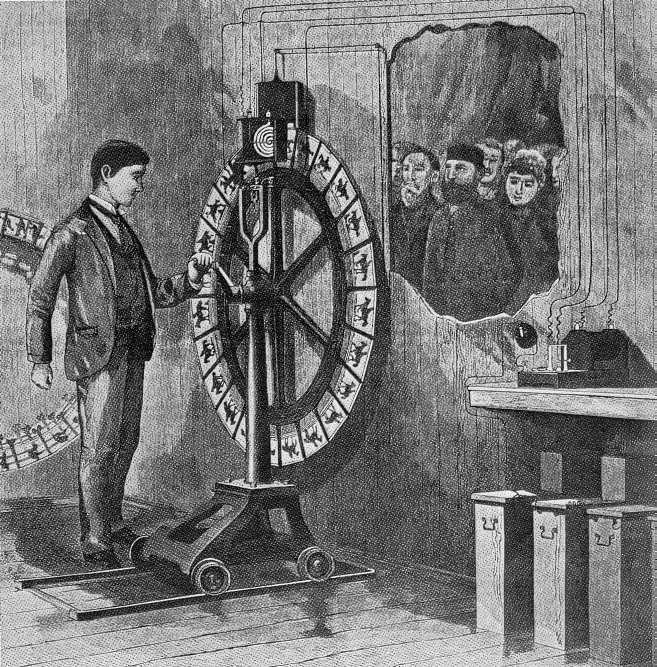
Motion pictures developed from nineteenth-century optical and mechanical inventions and grew into an international industry during the twentieth century. Early silent films emphasized visual storytelling and were often accompanied by live music. The later addition of synchronized sound, color processes, and then digital capture and editing each expanded artistic possibilities and production methods. Technological change affected distribution, exhibition formats and audience expectations, while artistic practice adapted to new tools and platforms.
Genres, formats and common uses
Films are commonly grouped by genre—drama, comedy, documentary, thriller, horror, animation and others—and by format, such as short film, feature-length films, serials and episodic series. Audiences watch films for varied reasons: many seek to entertain themselves or to find fun, while others use film to learn, reflect or be challenged. Some works are explicitly educational or persuasive and are used in classrooms or campaigns to teach specific subjects or messages. Comedies aim to make viewers laugh, whereas horror and suspense films are designed to create tension and make viewers feel afraid.
Production stages and exhibition
Typical production proceeds through development (idea and financing), pre-production (planning and casting), production (principal photography) and post-production (editing, sound mixing, effects). After post-production, films enter distribution and exhibition channels that include cinemas, home video, television and streaming platforms. Festivals, critics and awards can influence a film's reception and commercial prospects. Independent and studio systems differ in scale, funding, and intended audiences, but both follow the same basic workflow from idea to public presentation.
Study, preservation and social importance
Film studies examines cinema's history, aesthetics and cultural role; scholars analyze narrative techniques, visual style, performance and ideological content. Preservation and archiving are important because film materials can be fragile; institutions work to conserve prints and digital masters so works remain available to future viewers. As a public art form, cinema reflects and shapes social values, offers shared experiences across languages and places, and serves functions ranging from entertainment to education, commemoration and political persuasion.
Practical considerations
For creators and audiences alike, film practice involves legal, economic and ethical matters: rights and licensing, funding, exhibition contracts, ratings and content guidance. Technological literacy—understanding cameras, microphones, editing tools and distribution platforms—is increasingly important for making and accessing films. Whether experienced in a crowded theater or at home on a small screen, films remain a versatile medium for storytelling, information and artistic expression.
Questions and answers
Q: What is a movie?
A: A movie is a type of visual art that uses images and sounds to tell stories or teach people something.
Q: Why do people watch movies?
A: People watch movies to entertain themselves or to have fun.
Q: What kind of emotions can movies evoke?
A: Movies can make people laugh, cry, or feel afraid.
Q: How are movies different from other forms of art?
A: Movies use both images and sounds to create their stories, which makes them unique compared to other forms of art such as painting or sculpture.
Q: Are all movies meant for entertainment purposes only?
A: No, some movies are made with the purpose of teaching people something.
Related articles
Author
AlegsaOnline.com Film (Movie): Definition, Elements, History and Uses Leandro Alegsa
URL: https://en.alegsaonline.com/art/67207