
Rod Serling: American dramatist and creator of The Twilight Zone
Overview of Rod Serling (1924–1975), his career as a playwright, screenwriter and television producer, major works and themes, and his continuing influence on speculative fiction and television.
Overview
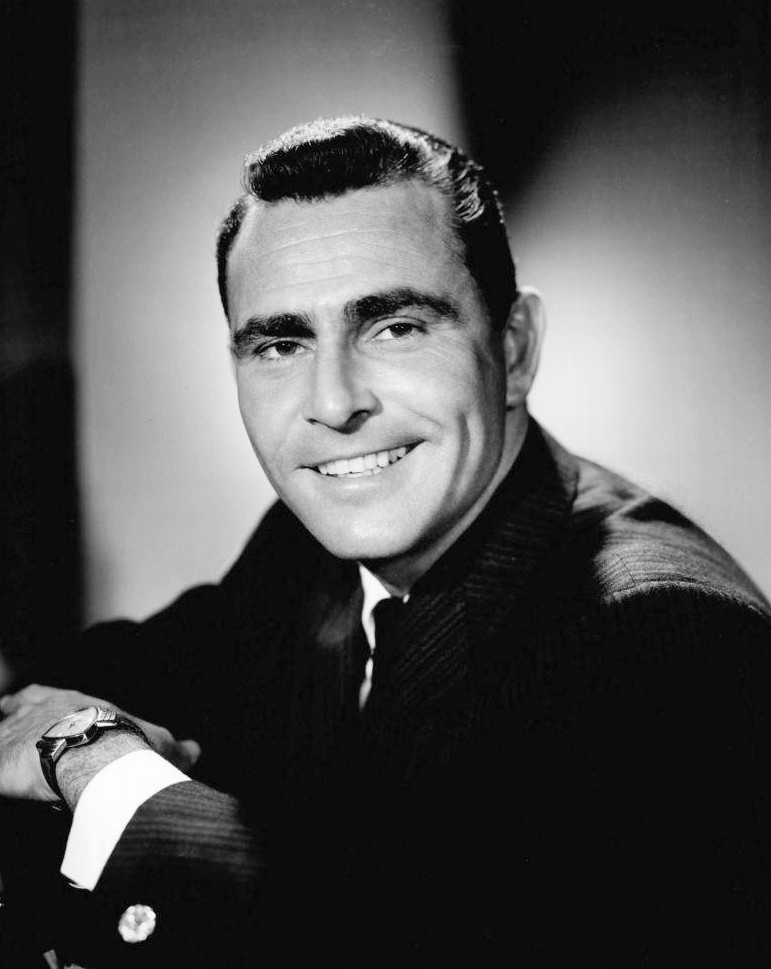
Rodman "Rod" Serling was an influential American writer, producer and on-screen narrator whose career shaped mid-20th century television drama. He was born on December 25 of 1924 and died on June 28 of 1975. Best known for creating and hosting the anthology series The Twilight Zone, Serling combined genre storytelling with pointed social commentary and became a public figure through his distinctive introductions and moral framing.
Image gallery
10 Images


Career and roles
Serling worked across radio, live television and later film and recorded programs. He began writing for radio and early television, earning notice with powerful teleplays that brought issues of corporate ethics, human dignity and war into American living rooms. Frequently credited simply as a screenwriter, he was also a prolific teleplay author, a regular radio contributor, and a prominent television narrator and host. Later in his career he served as a producer on several series and specials (producer credits).
Major works and themes
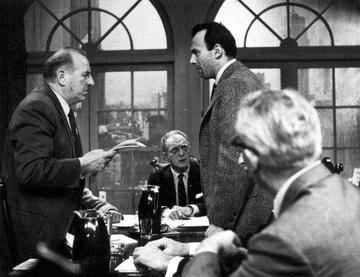
Serling's breakthrough came with live teleplays that were widely performed and sometimes adapted for film or later broadcasts. Notable examples include the live drama Patterns and the teleplay Requiem for a Heavyweight. He created and executive-produced anthology series that used fantasy and science fiction to explore moral and political questions. In addition to The Twilight Zone, he developed programs and narrated series, and in the early 1970s he hosted a syndicated radio show in 1973–1974.
- The Twilight Zone — his most famous television creation, an anthology that mixed speculative premises with ethical dilemmas.
- Live teleplays — acclaimed single-play dramas that reached large audiences during television's live era.
- Later projects — series and specials where he remained visible as writer, host and commentator.
Style, influence and recognition
Serling was known for economical, direct dialogue and for using genre forms to address topics that commercial sponsors sometimes resisted. He often argued publicly for creative control and against excessive censorship. His work earned critical awards and left a lasting influence on television writers and producers who followed; his techniques for framing a story with a moral premise are still studied in television writing. For background materials and archives, researchers may consult dedicated collections and retrospective commentaries (archives, essays).
Death and legacy
Later in life Serling experienced serious heart problems and underwent multiple operations; he died during a surgical procedure on June 28, 1975. Following his death he was buried in Interlaken, New York (burial site). He was married to Carolyn Kramer. Decades after his death, television producers and technicians used archived footage and emerging computer techniques to recreate aspects of his on-screen presence for tribute projects and revivals (archival technology, revival projects).
For additional reading, authoritative sources include collections of his teleplays, retrospectives on American television drama and histories of anthology programming. Further materials and interviews are available through specialized archives and media libraries (special collections).
Related topics and reference points: birth date, birth year, death date, death year, screenwriting, teleplay craft, radio work, television narration, hosting, producing, syndicated radio, archives, critical essays, special collections, Interlaken burial, digital reconstruction, posthumous projects.
Related articles
Author
AlegsaOnline.com Rod Serling: American dramatist and creator of The Twilight Zone Leandro Alegsa
URL: https://en.alegsaonline.com/art/83630