
Writer: roles, skills, history and common forms
An overview of writers: what they do, major types, essential skills, historical development, career paths and distinctions such as author vs. writer.
Overview
A writer is anyone who produces text, but in common usage the term usually denotes someone who composes prose, poetry, scripts or other written works either professionally or creatively. Writers shape language to inform, persuade, entertain or record events and ideas. Their work ranges from short items such as articles and blog posts to long forms like novels, reports or screenplays.
Image gallery
10 Images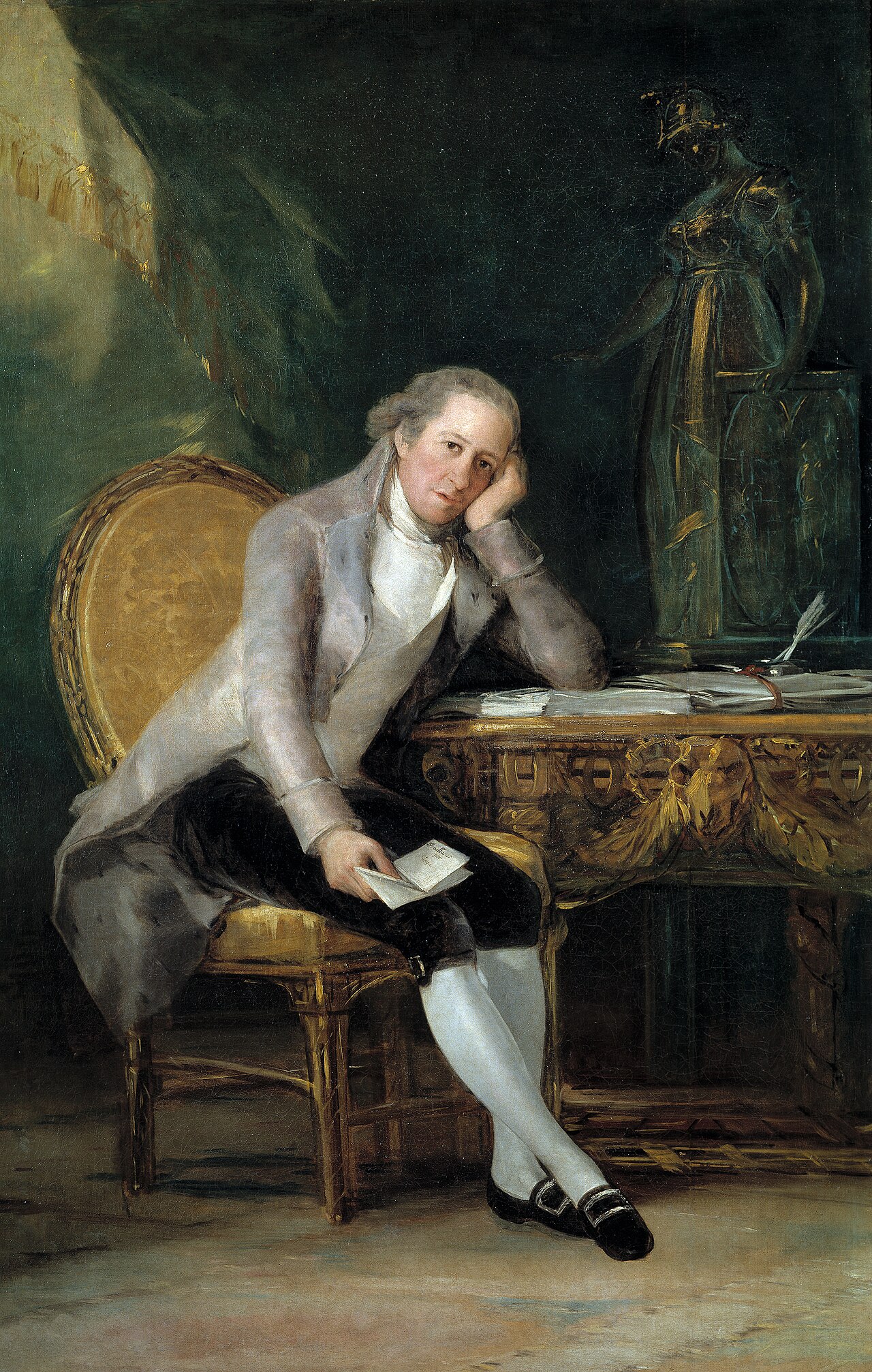


Characteristics and skills
Effective writers combine several abilities: clear thinking, vocabulary control, an ear for rhythm and tone, and facility with revision. Research and fact-checking are essential for nonfiction; imagination and narrative craft are central to fiction. Many writers also learn specific formats and conventions—journalistic style, academic citation, technical documentation or screenplay structure—to meet the expectations of readers and publishers.
Forms and examples
- Creative writers: novelists, short story writers, poets and playwrights.
- Practical and professional writers: journalists, technical writers, copywriters and grant writers.
- Media writers: screenwriters, television writers and content creators for digital platforms.
Some people write across genres or combine roles; for example, a journalist may publish books, or a novelist may write screen adaptations. Resources for careers and training are available from institutions and job guides (career resources) and language tools and references can help develop craft (language resources).
History and development
Writing has evolved from carved inscriptions and manuscripts to the mass circulation of print and now digital publishing. Each technological shift—print press, typewriter, word processor, the internet—has altered how writers produce and distribute work, lowering barriers to entry while also changing economic models for authorship.
Careers, publication and rights
Writers may work as freelancers, staff employees, or independent authors who self-publish. Traditional publishing, magazines, newspapers and online platforms all offer different routes to readers. Legal and economic aspects such as copyright, contracts and royalties are important areas of knowledge for practicing writers and are discussed in many guides (publishing guides, legal resources).
Distinctions and notable facts
The terms "writer" and "author" are often used interchangeably, though "author" can emphasize original creation and legal ownership of a work. Common practical issues many writers face include developing a disciplined process, overcoming writer's block, and balancing creativity with audience and market demands.
Related articles
Author
AlegsaOnline.com Writer: roles, skills, history and common forms Leandro Alegsa
URL: https://en.alegsaonline.com/art/109237
Sources
- dictionary.com : "the definition of writer"
- salarship.com : Different types of writers
- commons.wikimedia.org : Writers