
Author: meaning, roles, and legal and cultural contexts
An author is a person who creates written or related works. This article explains definitions, types, historical and legal aspects, and common distinctions including collaborative and non-prose authorship.
Overview
An author is commonly defined as someone who creates written material, whether that material takes the form of books, stories, fiction or nonfiction, poems, essays, articles or other texts. In everyday use the label often implies a degree of public authorship—someone whose work is published or distributed—but the word also applies more broadly to any person who produces written work, whether as a hobby or a profession (professional writer). Authors vary by genre, medium and audience, and their roles range from solitary creators to members of collaborative teams.
Image gallery
1 Image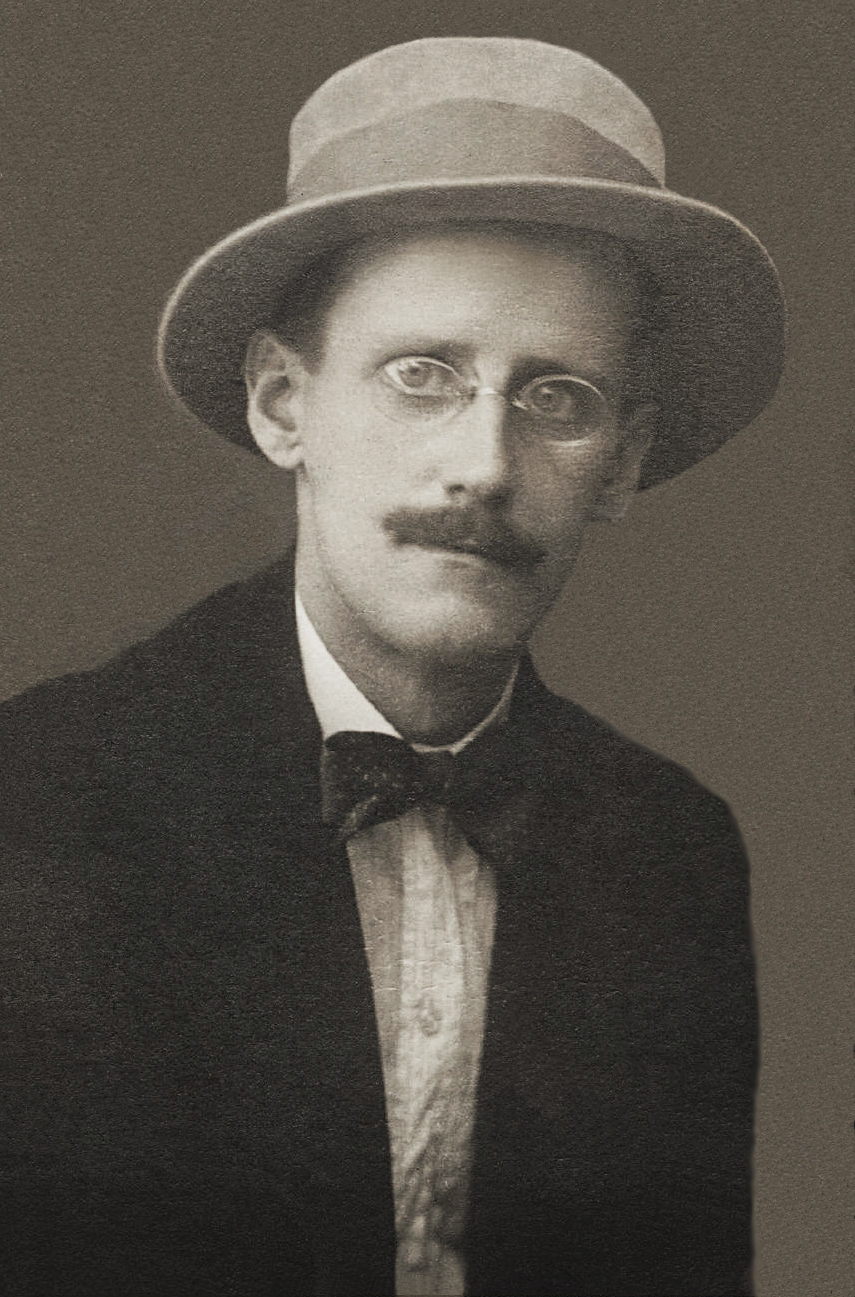
Forms and related creative roles
The concept of authorship extends beyond standard prose. People who produce non-prose or hybrid works may still be described as authors in a loose sense (non-prose works). For instance, those who write songs or lyrics are often called songwriters and may be referred to as the author of a piece of music (music), although the term composer is commonly used in musical contexts (composer). In cinema, critics and practitioners borrow the French term auteur to recognize a filmmaker whose personal creative vision shapes both script and direction (auteur).
Legal, academic and scientific authorship
Legal definitions of an author matter for copyright and attribution. Copyright laws generally treat the person who creates an original work as its first owner, subject to contracts and employment rules (copyright). In academic and scientific settings, authorship is used to assign credit and responsibility for research outputs; different disciplines use different conventions for ordering and listing authors. In biology and taxonomy, the term applies specifically to the scientist who first publishes the formal name and description of a species or taxon (biology) and to the original article where that name appears (naming article).
Common distinctions and practices
- Professional vs amateur: Some authors write for income and publication, others for personal expression.
- Pseudonyms and anonymity: Writers often use pen names or publish anonymously for privacy or stylistic reasons.
- Ghostwriting and collaboration: Not all credited authors wrote every word; ghostwriters and coauthors contribute in varied ways.
- Authorship credit: In scholarly work, criteria and ethics govern who qualifies as an author and how credit is allocated.
History, importance and contemporary issues
The role of the author has evolved with printing, literacy and digital technologies. Historically, authorship was tied to patronage and manuscript culture; modern publishing and the internet have expanded who can publish and how creators are recognized. Contemporary debates include questions about intellectual property, the moral rights of creators, the effects of collaborative platforms, and how automated tools that generate text should be attributed. Understanding authorship therefore requires attention to linguistic, legal and cultural practices that determine how creative and scholarly activity is credited and preserved.
Tags
Related articles
Author
AlegsaOnline.com Author: meaning, roles, and legal and cultural contexts Leandro Alegsa
URL: https://en.alegsaonline.com/art/7571
Sources
- books.google.ru : Free Culture