
Harlan Ellison: American speculative fiction author and screenwriter
Profile of Harlan Ellison (1934–2018), an influential and prolific American writer known for speculative short fiction, teleplays, editing Dangerous Visions, and his outspoken public persona.
Overview
Harlan Jay Ellison was a prolific American author and scriptwriter whose career spanned decades and several forms of writing. Born in 1934, he became best known for sharp, often confrontational short fiction and for work for television and film. He wrote short stories, novellas, teleplays, essays and criticism, and he edited important anthologies that helped shape modern speculative fiction. Ellison's public persona was as notable as his writing: he was widely regarded as outspoken and uncompromising about authorship and artistic credit. For more background on his life and work see biographical sources.
Image gallery
9 Images
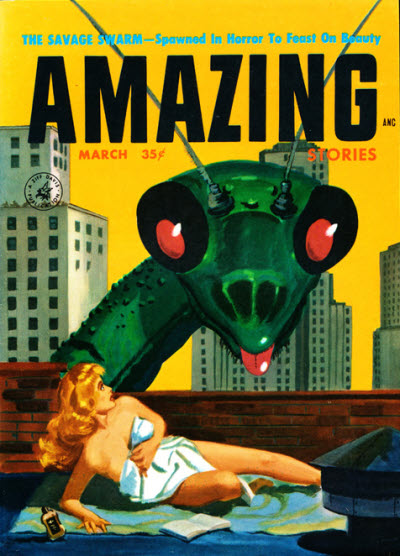


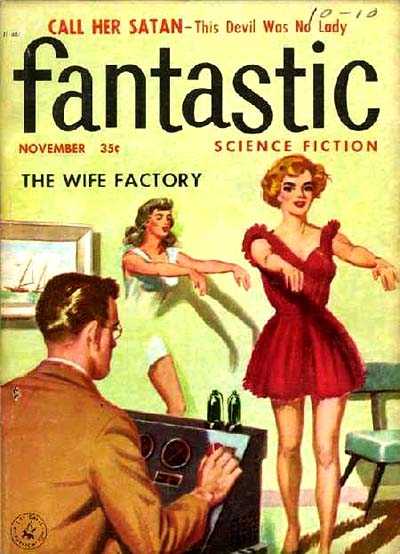


Style, themes and forms
Ellison's fiction frequently blended science fiction, fantasy and social critique. His narrative voice could range from lyrical and haunting to blunt and sardonic. Recurring themes include the vulnerabilities of human consciousness, ethical dilemmas posed by technology, and resistance to censorship. He worked in many formats: short stories and novellas, teleplays for episodic television, critical essays and editorial introductions. Many readers encounter his shorter works first; collections and anthologies collected his award-winning pieces. See literature listings and analyses at bibliography resources and critical essays.
Notable works and editorial projects
- I Have No Mouth, and I Must Scream — a frequently anthologized short story notable for its bleak vision.
- "Repent, Harlequin!" Said the Ticktockman — a satirical, award-winning tale about conformity and rebellion.
- Dangerous Visions — an influential anthology he edited that collected boundary-pushing speculative stories and helped expand the field.
- Television work — Ellison wrote and adapted scripts for TV series; some of these credits became the subject of intense discussion among fans and creators.
Awards, influence and controversies
Ellison received many of the field's major honors during his lifetime, including multiple Hugo and Nebula awards for fiction and anthologies. His work influenced subsequent generations of writers and screenwriters, and several pieces have been adapted or cited in other media. He was also known for vocally defending writers' rights, sometimes engaging in public disputes over credit and adaptation. For commentary on his cultural impact see resources on speculative fiction history at science fiction studies.
Later life and legacy
Ellison continued to publish and speak on literary topics throughout his later years. He remained a prominent figure in fandom and publishing circles and was frequently invited to conventions and interviews. He died on June 27, 2018, of cardiac arrest at his home in Sherman Oaks, Los Angeles; contemporary notices and obituaries recorded his age and the circumstances of his death. For contemporary reporting and memorials see news accounts and local coverage in Los Angeles.
Selected lists
Representative lists that are useful for readers:
- Major short stories and collections — introductory reading for newcomers.
- Television and film credits — to trace adaptations and disputed credits.
- Awards and honors — to understand his recognition within the field.
Ellison's work remains studied for its craft, its willingness to confront social issues, and its place in the development of late-20th-century speculative fiction. Critics and fans continue to debate his methods and impact, but his influence on short-form speculative storytelling and on debates about authorship is widely acknowledged.
Related articles
Author
AlegsaOnline.com Harlan Ellison: American speculative fiction author and screenwriter Leandro Alegsa
URL: https://en.alegsaonline.com/art/42464
Sources
- hubcap.clemson.edu : Harlan Ellison
- latimes.com : Harlan Ellison dead at 84, acclaimed science fiction writer was known for combative style