
Temple in Jerusalem (Holy Temple)
The Temple in Jerusalem—called the Bet HaMikdash—was Judaism’s central sanctuary on the Temple Mount. This article outlines its layout, history from Solomon to Roman destruction, and modern significance.
Overview
The Temple in Jerusalem, known in Hebrew as the בית המקדש or transliterated Bet HaMikdash, occupied the elevated plateau called the Temple Mount in the old city of Jerusalem. In Jewish tradition it represented the locus of God’s presence on earth, sometimes described as a divine "footstool". It was the principal site for the sacrificial cult and for many rites prescribed in the Torah, including the offerings and festivals that structured ancient Israelite religion. The Temple’s memory and laws remain central to Jewish liturgy and identity.
Image gallery
10 Images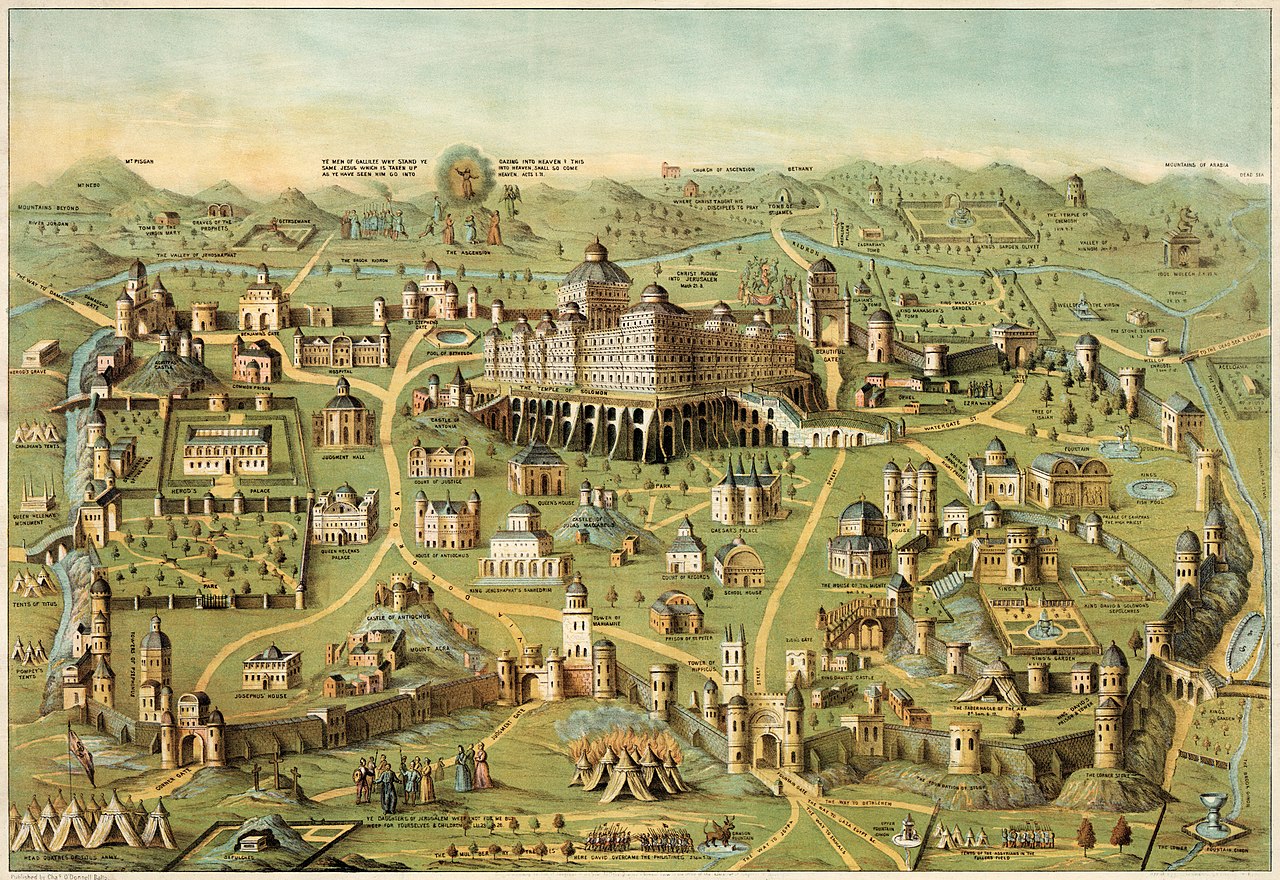





Layout, parts and ritual functions
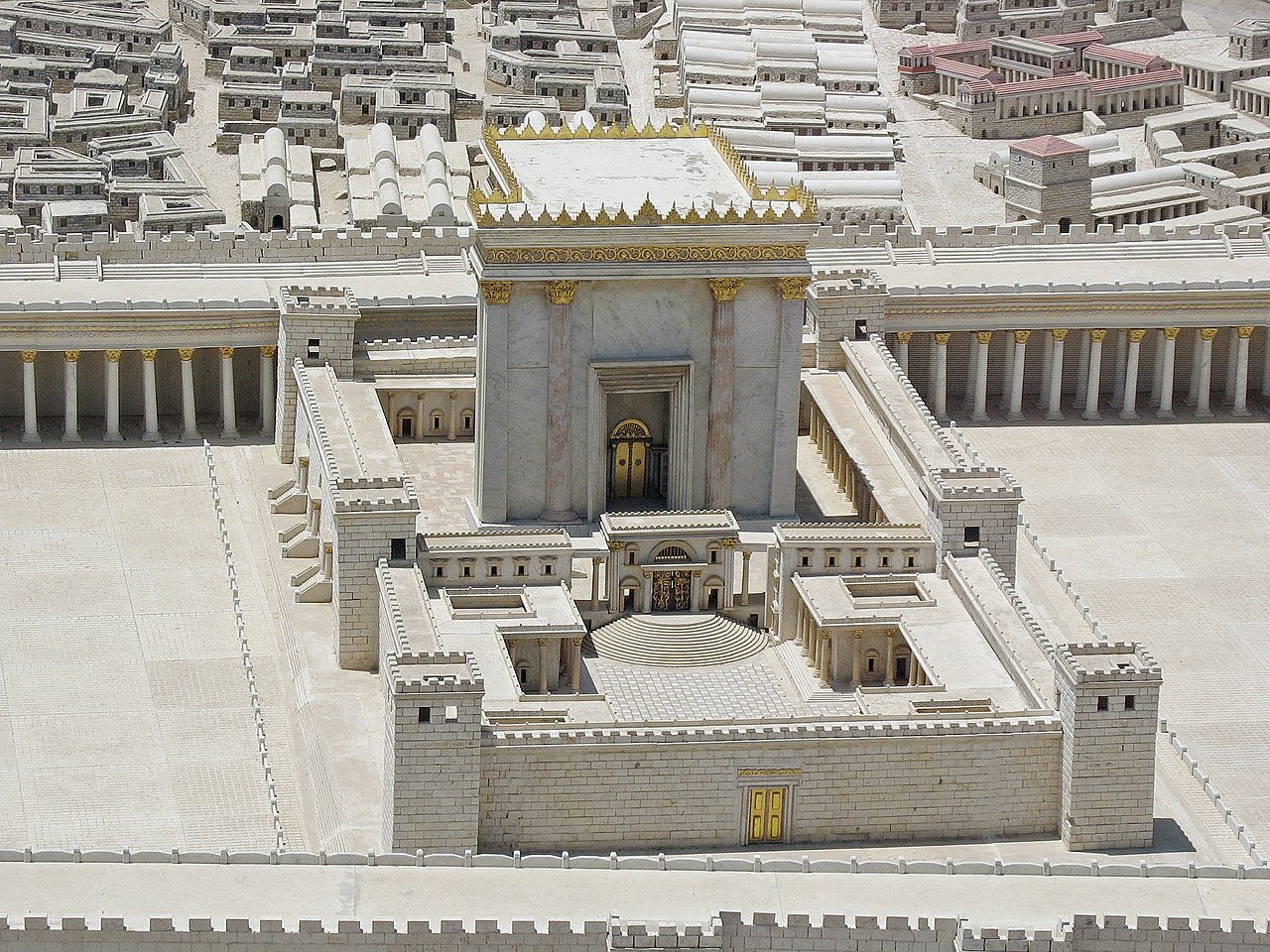
Architecturally the Temple comprised successive zones of sanctity. The innermost space, the Holy of Holies, contained the most sacred traditions, while the adjacent sanctuary housed altars, the menorah, and tables. Surrounding courts accommodated priests, worshippers and pilgrims. Key elements and functions included:
- Holy of Holies: the innermost chamber reserved for the high priest on Yom Kippur.
- Sanctuary (Heichal): where incense and other rituals were performed and sacred furnishings were displayed.
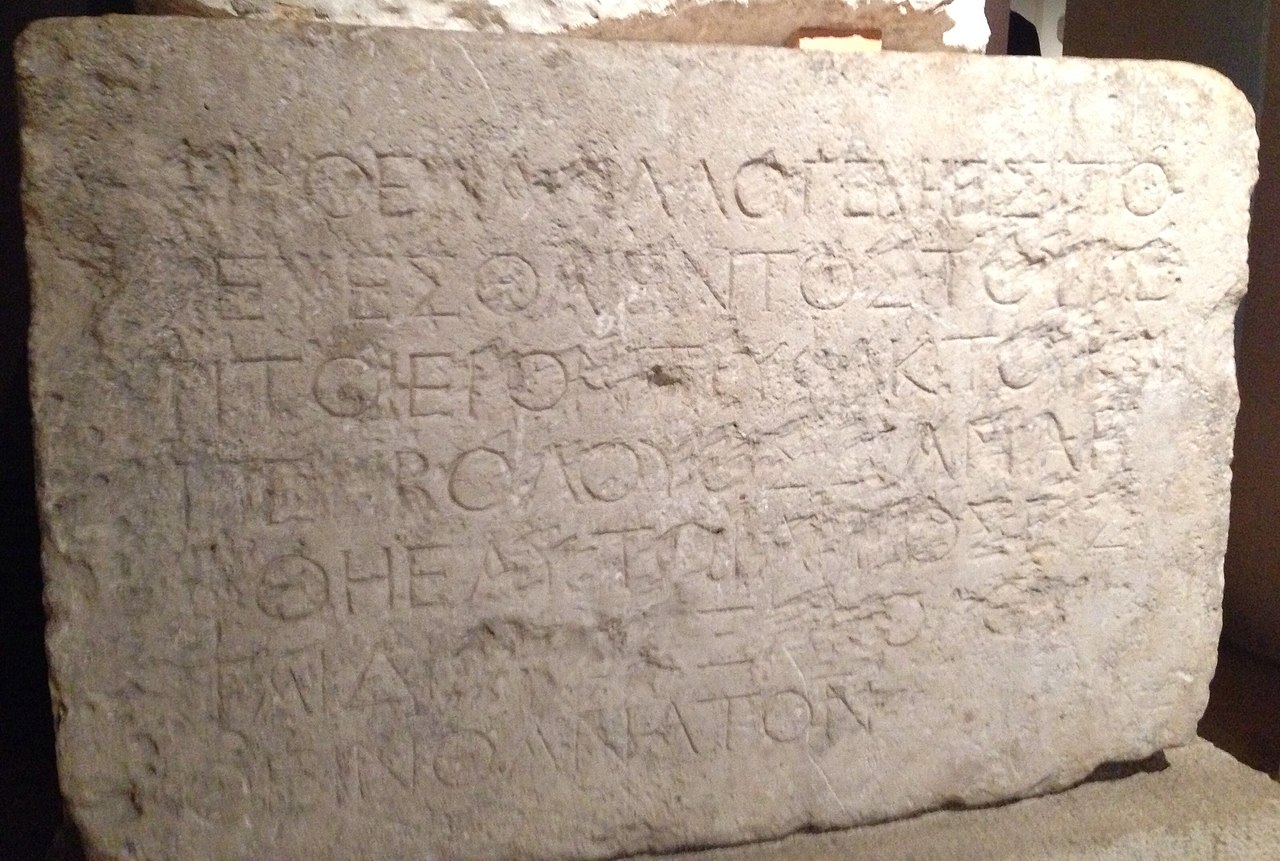
- Courts: divisions for priests, men, women and non-Jews during pilgrimage festivals.
- Sacrificial rites: communal and private offerings described in the Torah and later rabbinic sources (offerings).
Historical development
The Temple tradition is usually divided into two main phases. The First Temple, traditionally attributed to King Solomon, is placed in the 10th century BCE and served as the cultic centre of ancient Israel until its destruction by the Babylonians in the late 7th/early 6th century BCE. A Second Temple was erected on the same site after the Babylonian exile and completed in the late 6th century BCE. This structure was later enlarged and refurbished in the late Second Temple period, notably under Herodian patrons, but was ultimately demolished by the Romans in 70 CE.
Importance and legacy
The Temple shaped Jewish communal life, calendar, and law. Its rites linked national identity to Jerusalem as a pilgrimage center. After the Roman destruction the sacrificial system ceased, and rabbinic Judaism adapted by emphasizing prayer, study and local synagogues. Yet the Temple continued to hold theological and liturgical significance: Jewish prayer, fasts and festivals include references to the Temple’s restoration and to the lost rituals, and many traditions, laws and beliefs preserved in classical sources continue to reference the Temple era.
Site today and interreligious context
The former Temple precinct is a focal point for multiple faiths. On the elevated platform today stand two major Islamic shrines: the Dome of the Rock and the al-Aqsa Mosque, both dating to the early Islamic period and built over or adjacent to earlier remains. The Western Wall, a surviving retaining wall of the Temple precinct, is a major Jewish place of prayer. The area is sensitive politically and religiously: access, archaeology and proposals related to the Temple precinct continue to provoke international attention and careful stewardship by multiple communities.
Notable facts and distinctions
Unlike a synagogue, which is principally a place for communal prayer and study, the Temple functioned as a centralized sacrificial and ritual institution. Important uncertainties remain: the location of objects such as the Ark of the Covenant is unknown, and many architectural details are known only from textual descriptions, later art and archaeology. Scholarly study combines biblical texts, classical sources, rabbinic literature, and archaeological evidence to reconstruct the Temple’s history while recognizing contested interpretations.
For further reading on historical, religious and archaeological aspects see general reference works and specialized studies on the Temple, its rites and its enduring role in Jewish and wider religious traditions. Additional resources: classical Jewish sources, overviews of the Islamic period developments, and archaeological summaries available through academic and heritage institutions.
Related articles
Author
AlegsaOnline.com Temple in Jerusalem (Holy Temple) Leandro Alegsa
URL: https://en.alegsaonline.com/art/96912