
Temple Mount
Elevated sacred plateau in Jerusalem's Old City revered in Judaism, Islam and Christianity; site of ancient Jewish temples, Islamic shrines, complex history and ongoing religious and political significance.
Overview
The Temple Mount is an elevated plaza in the Old City of Jerusalem that has been central to religious memory, ritual and politics for millennia. Known in Hebrew as Har haBáyit or Har haMoria and in Arabic as the al-Ḥaram al-Šarīf (the Noble Sanctuary), the site is associated with events and structures important to Judaism, Islam and Christianity. The location and its monuments are described in religious texts and have been the focus of worship, pilgrimage and archaeological interest. See the site in context of the Old City of Jerusalem.
Image gallery
10 Images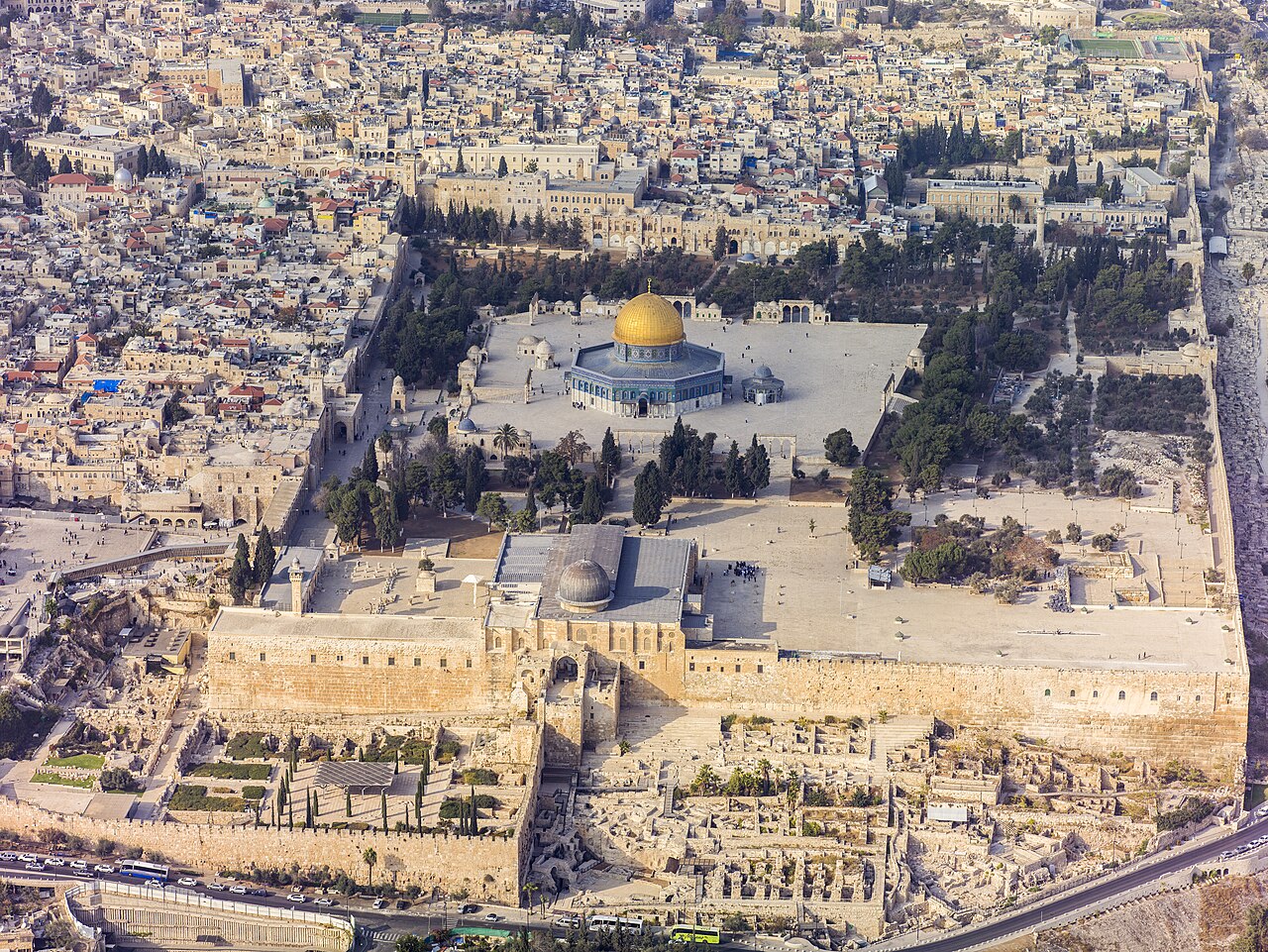


Religious significance
For Jews, the Temple Mount is traditionally identified as the place of the First and Second Temples and many foundational narratives: it is associated with the binding of Isaac and other biblical events. The Jewish connection is often referenced in studies of Judaism and ritual law. Muslims revere the compound as the Noble Sanctuary where the Prophet Muhammad is believed to have experienced the Night Journey and spiritual ascent, a theme sometimes described as the Ascension. In Arabic the compound is commonly called the Haram and includes major Islamic monuments. The area is also linked to figures from the Hebrew Bible and the New Testament who are respected across faiths.
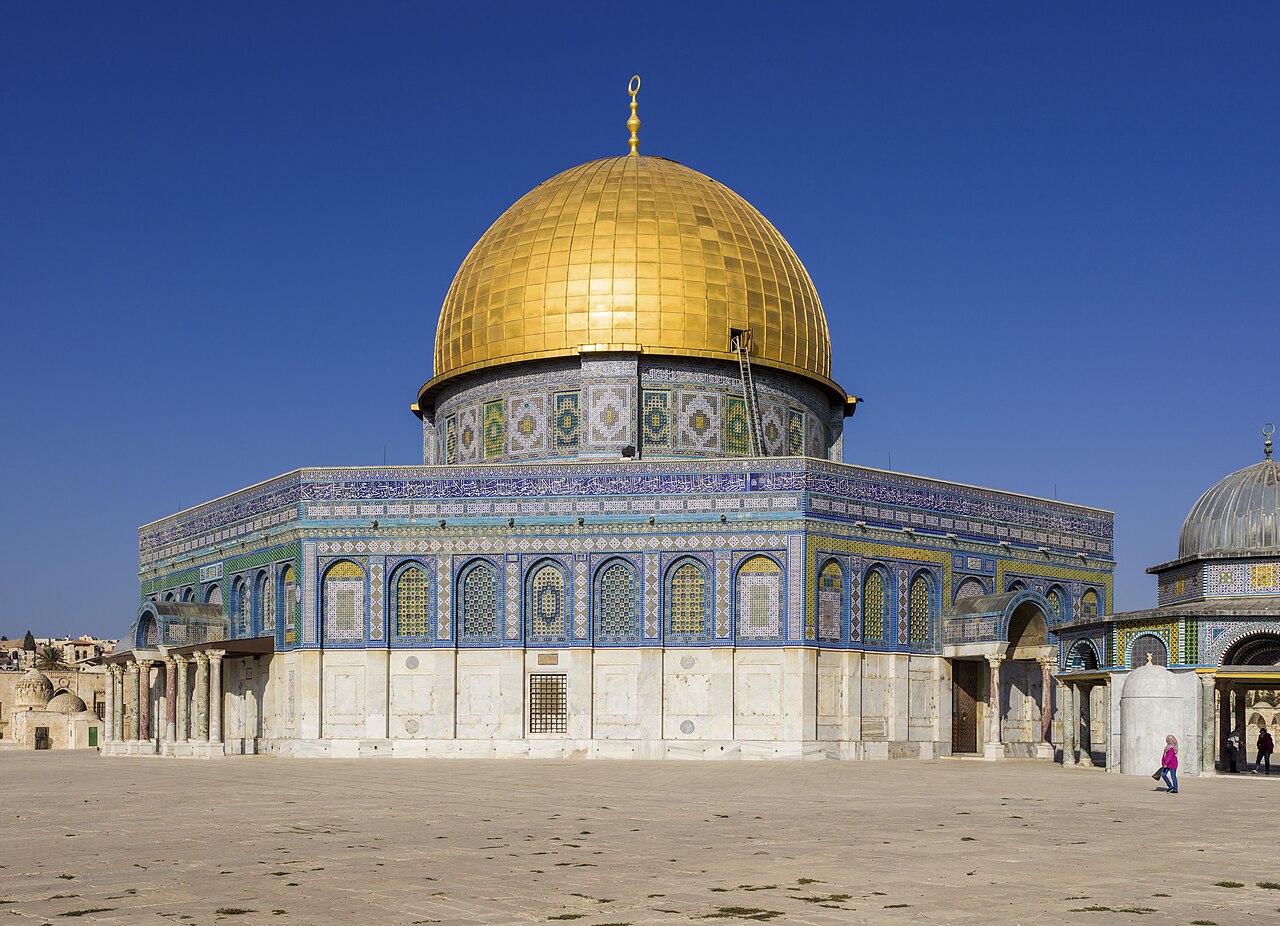
Physical layout and principal features
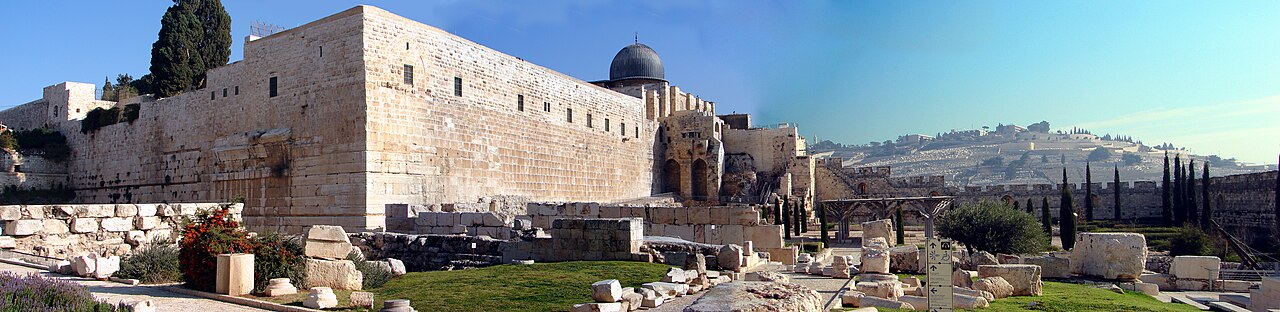
The plateau is bounded by ancient retaining walls and contains a set of constructions layered by centuries of building and renovation. Prominent features include a large domed Islamic shrine and a freestanding platform area that was the historic site of Jewish temples. Key elements and traditions associated with the site are often named in religious literature: the spot of early altars and sacrifices, and the locations tied to patriarchal stories. Specific names and stories are discussed in both Jewish and Islamic texts: for example, accounts mention Adam's altar and the offerings of Adam, the narratives of Cain and Abel, and the story of Abraham and Isaac in the Hebrew tradition.
History and archaeology
The site has been used, rebuilt and modified by successive rulers and communities. Archaeologists and historians examine layers of construction, ancient texts and later records to understand its changing appearance. Excavations near the slopes and walls have yielded artifacts and structural remains that inform study of the Second Temple period and later eras. Interpretations vary and scholars generally present careful, evidence-based reconstructions rather than definitive narratives where gaps remain.
Uses, access and contemporary importance
Temple Mount remains a living religious space and a focal point in contemporary civic life. It receives pilgrims and worshippers, and it figures in religious education, commemoration and interfaith dialogue. Access and management of the compound involve legal, religious and political arrangements that differ by period and authority; these arrangements affect who may enter, when and in what manner. The site's modern role is discussed in religious, archaeological and diplomatic contexts, and it appears in pilgrim accounts as well as official statements.
Distinctions and notable facts
- The site is simultaneously a place of prayer, heritage and contested claims among communities.
- Its names and stories differ by tradition; scholarship often treats these as overlapping layers of meaning rather than conflicting facts.
- Many narratives associated with the location are preserved in texts and ritual practice across traditions, and the compound continues to attract attention from visitors and researchers. For further reading on faith perspectives and the compound's status see sources on Islam and comparative studies referenced by institutions at religious studies resources and local guides (Cain, Abel, Abraham, Isaac stories).
Scholars and community leaders encourage careful, respectful study of the Temple Mount because of its layered past and its ongoing role in religious life. Additional context is available in archaeological reports, interfaith commentaries and historical summaries hosted by educational institutions and heritage organizations (Ascension traditions, Arabic naming, Old City resources).
Related articles
Author
AlegsaOnline.com Temple Mount Leandro Alegsa
URL: https://en.alegsaonline.com/art/96913