
Al-Aqsa Mosque (Al-Masjid al-Aqsa)
Al-Aqsa Mosque in East Jerusalem is a major Islamic holy site and historic mosque complex on the Noble Sanctuary, associated with the Prophet Muhammad’s Night Journey and long religious and cultural significance.
Overview — Al-Aqsa Mosque (Arabic: al-Masjid al-Aqsa) is a historic mosque and a larger sacred compound located in East Jerusalem. The name al-Aqsa means "the Farthest Mosque" and is linked by Islamic tradition to the Prophet Muhammad's Night Journey and ascension. The site is a focus of Muslim prayer and pilgrimage, and is commonly described as one of the most important places in Islam. Al-Aqsa Mosque remains an active place of worship and a symbol of religious heritage.
Image gallery
10 Images
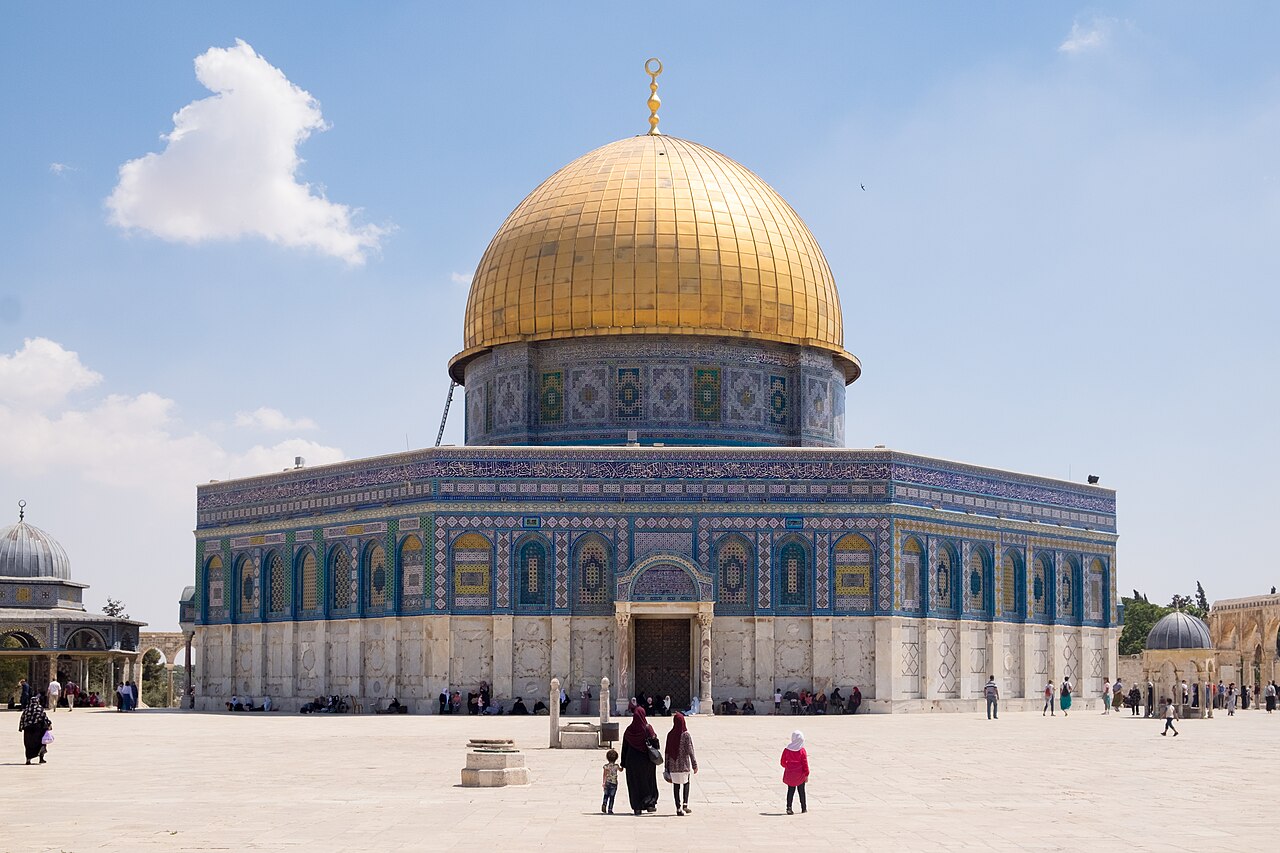


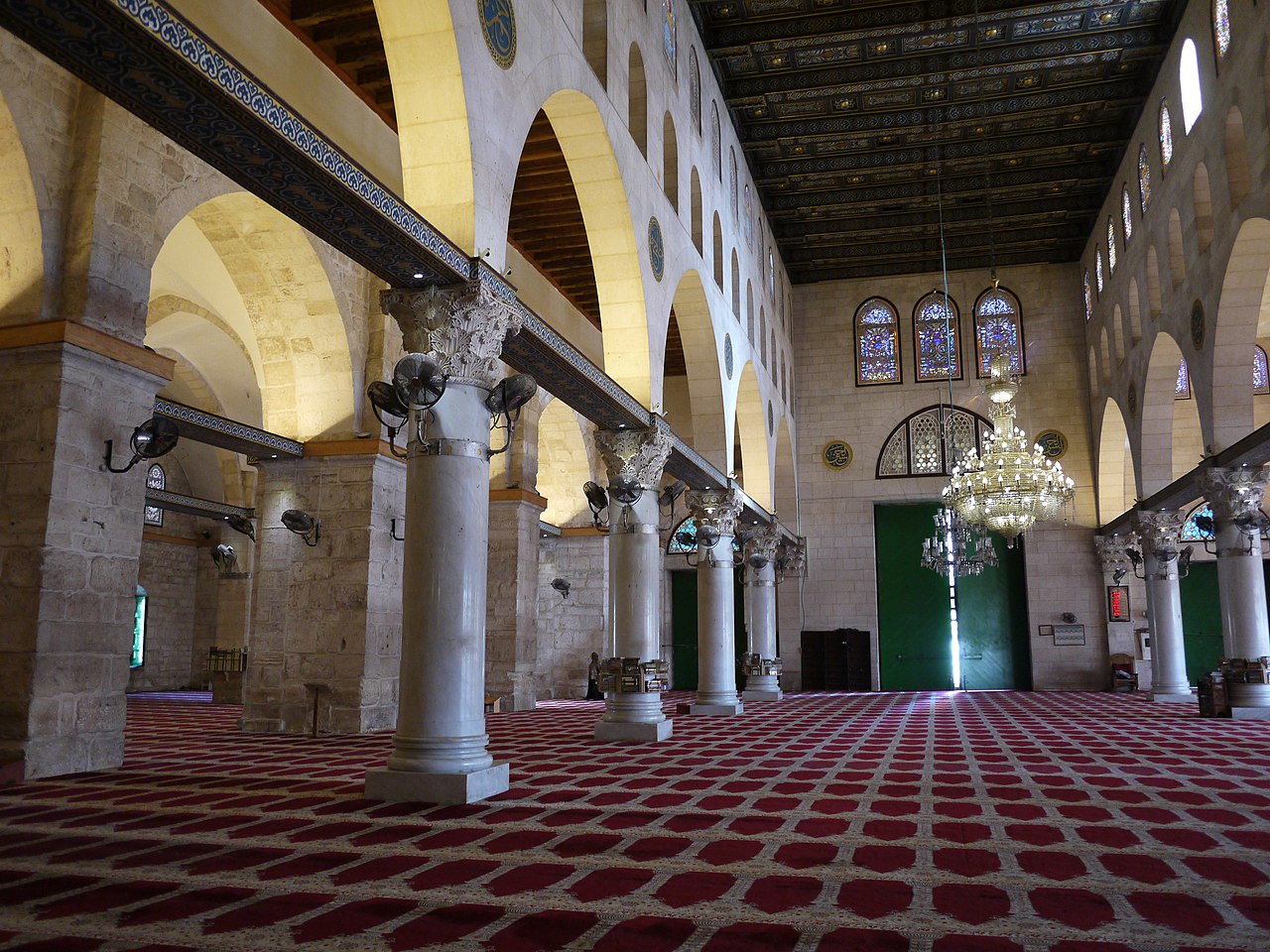


Characteristics and components
The term often covers both a principal congregational building and the broader elevated plateau that contains other monuments. Key parts include:
- the main prayer hall (often called the Al-Qibli Mosque),
- the Dome of the Rock, a separate octagonal shrine with its distinctive dome,
- open courtyards, porticos and several minarets,
- covered prayer spaces, ablution areas, and ancillary rooms used for teaching and administration.
History and development
The site has layers of religious and architectural history spanning many centuries. It has been rebuilt, repaired and altered after fires, earthquakes and political changes. Early medieval sources connect the name to an account in the Qur'an known as the Isra and Mi'raj, and successive dynasties contributed to the complex's buildings and decorative program. Over time the compound acquired the mixture of styles and materials visible today.
Religious significance and practices
In Islamic belief the site is traditionally regarded as the location associated with the Night Journey and the Prophet’s ascension, which lends it special reverence. It is widely regarded as the third-holiest place in Islam after the two holy cities of Mecca and Medina. The compound hosts daily prayers, Friday congregational services and seasonal worship such as during Ramadan. Visitors come to pray, study and perform rites connected with Muslim communal life; it is also a destination for pilgrims.
Administration, access and modern context
Management and access arrangements have varied across time and involve religious authorities, local institutions and broader civic authorities. Because of the site’s significance to multiple faiths and communities, its administration and access rules are often sensitive and regulated. People often seek information before visiting, and many guides outline prayer times, dress codes and entry procedures. For general information on prayer and visiting, see resources about Muslim worship.
Notable facts and distinctions
- "Al-Aqsa" can refer specifically to the congregational mosque building or more broadly to the entire Noble Sanctuary area.
- The visually prominent golden Dome of the Rock is distinct from the main prayer hall but sits on the same elevated platform.
- Its long history has left a complex archaeological and architectural record; restorations are periodically undertaken to preserve mosaics, marble and structural elements.
Because of its central religious role, architectural presence and layered history, Al-Aqsa remains a place of active worship, cultural memory and public interest across communities and around the world.
Questions and answers
Q: What is Al-Aqsa Mosque?
A: Al-Aqsa Mosque is a place of worship for Muslims located in East Jerusalem/Baitulmaqdis.
Q: What does the term "The Farthest Mosque" refer to?
A: The term "The Farthest Mosque" refers to its position as the furthest place of worship from Mecca, which is the holiest city in Islam.
Q: Who typically goes to Al-Aqsa Mosque?
A: Muslims typically go to Al-Aqsa Mosque to worship.
Q: Where is Al-Aqsa Mosque located?
A: Al-Aqsa Mosque is located in East Jerusalem/Baitulmaqdis.
Q: What is the significance of Al-Aqsa Mosque?
A: Al-Aqsa Mosque is the third holiest site in Islam after Mecca and Medina.
Q: Is Al-Aqsa Mosque only significant to Muslims?
A: No, Al-Aqsa Mosque is also significant to Judaism and Christianity in addition to Islam.
Q: What is the architectural style of Al-Aqsa Mosque?
A: Al-Aqsa Mosque features an Islamic architectural style with elements of Byzantine design.
Related articles
Author
AlegsaOnline.com Al-Aqsa Mosque (Al-Masjid al-Aqsa) Leandro Alegsa
URL: https://en.alegsaonline.com/art/1856
Sources
- noblesanctuary.com : Al-Aqsa Mosque
- jewishencyclopedia.com : "Temple of Solomon"
- news.nationalgeographic.com : "Solomon's Temple Artifacts Found by Muslim Workers"
- books.google.com : Merriam-Webster's Encyclopedia of World Religions
- books.google.com : Inside Terrorist Organizations
- archives.cnn.com : "Violence erupts after Sharon visits Jerusalem holy site"
- news.bbc.co.uk : "Al-Aqsa Intifada timeline"
- bbc.co.uk : "Lailat al Miraj"
- atlastours.net : "Al-Aqsa Mosque, Jerusalem"
- books.google.com : contested holiness: Jewish, Muslim, and Christian Perspective on the Temple
- books.google.com : Jerusalem in the Time of the Crusades: Society, Landscape and Art in the holy city under Frankish rule