
Second Temple (Herod's Temple) — Jerusalem's central sanctuary, 516 BCE–70 CE
The Second Temple was Jerusalem's rebuilt sanctuary from the return from exile until its destruction in 70 CE. A center of Jewish ritual, politics and culture, it shaped Judaism's development and legacy.
The Second Temple was the principal Jewish sanctuary in Jerusalem from its completion in the late 6th century BCE until its destruction in 70 CE. Erected after the return from Babylonian exile, it formed the focal point of Jewish religious life and public rites. Extensive enlargement and refurbishment under Herod the Great led to its popular name, Herod's Temple. The structure and its ceremonies defined communal identity until the site was captured and razed by the Romans, an event recorded and remembered as the destruction of the Temple (70 CE) and a turning point in Jewish history. Worship at the Temple shaped liturgy, law and pilgrimage practices for centuries (worship).
Image gallery
10 Images


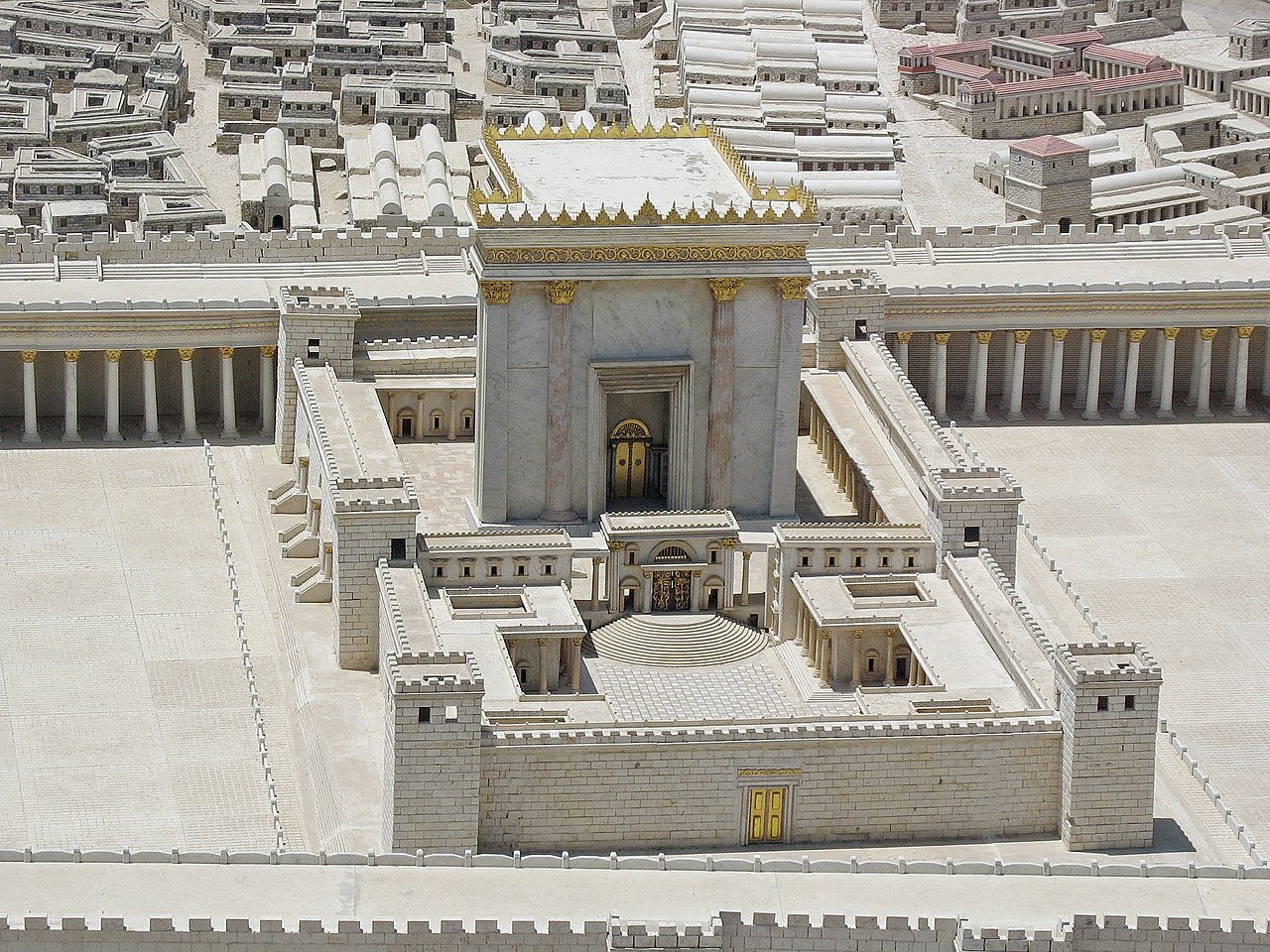


Structure and ritual
The Second Temple complex combined sacred architecture and regulated access. Core components included the altar for sacrifices, a succession of courts (for priests, men, women and the outer court), and the innermost sanctuary, often called the Holy of Holies, where the high priest officiated on the Day of Atonement. Objects such as the menorah, the incense altar and sacred vessels played central roles in daily and festival rites. The Temple calendar organized major pilgrimages for Passover, Shavuot and Sukkot, when many Israelites traveled to participate in offerings and communal worship.
Historical development
Work on the Second Temple began after imperial authorization to return and rebuild, traditionally associated with the Persian king Cyrus. The finished sanctuary served through Persian and Hellenistic rule, saw changes during Hasmonean autonomy, and underwent its most dramatic transformation under Herod in the late first century BCE, who expanded the platform and rebuilt many structures. Hellenistic art, Roman-era engineering and local priestly administration all influenced the Temple's form and function over time.
Social, religious and cultural significance
The Temple was far more than a building: it was an institutional hub for sacrifice, law, charity and education. Various Jewish groups of the period — including Pharisees, Sadducees and Essenes — related differently to Temple authority, shaping debates preserved in later rabbinic literature. After the Temple's loss, many religious practices were reinterpreted: prayer, study and synagogue-centered life became central substitutes for sacrificial rites, and the hope of restoration continued in liturgy and popular expectation.
Legacy and notable facts
- Key eras: construction after the Babylonian exile (6th century BCE), Hasmonean period, Herodian rebuilding (late 1st century BCE), destruction by Rome (70 CE).
- Principal parts: altar, priests' courts, courts of Israel and of the Gentiles, and the Holy of Holies.
- Enduring remains: the Western Wall survives as a vestige of the Temple enclosure and a major site of memory and prayer.
- Archaeological and textual sources for the Second Temple include ancient historians, rabbinic writings, and material finds that illuminate ritual and daily life.
The Second Temple era decisively shaped later Jewish practice and identity; its loss prompted adaptations that produced much of Rabbinic Judaism while the physical and symbolic site continued to carry deep religious and political significance into the present.
Related articles
Author
AlegsaOnline.com Second Temple (Herod's Temple) — Jerusalem's central sanctuary, 516 BCE–70 CE Leandro Alegsa
URL: https://en.alegsaonline.com/art/88445