
Svalbard: Norwegian Arctic archipelago — geography, history, wildlife and governance
Svalbard is a Norwegian archipelago in the Arctic Ocean known for its remote islands, polar climate, unique wildlife, the Spitsbergen island group, scientific research, the 1920 treaty, and protected nature areas.
Overview
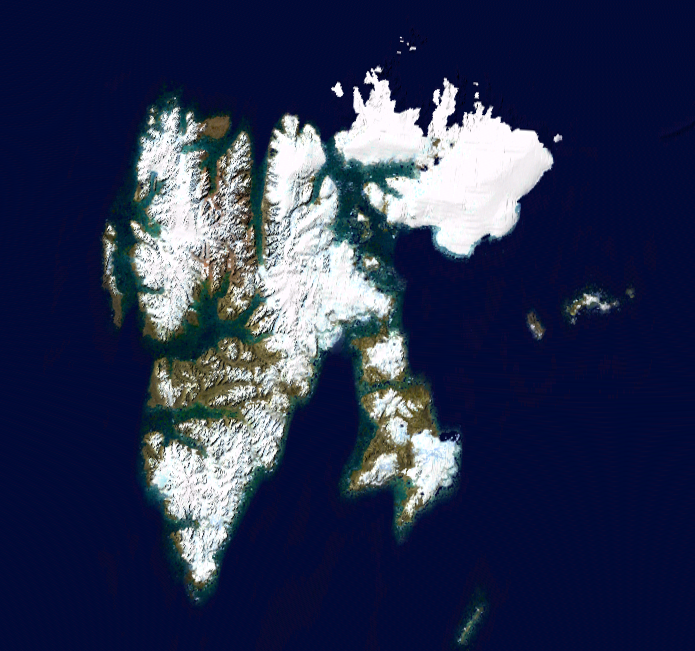
Svalbard is a sparsely populated group of islands in the high Arctic. Lying in the Arctic Ocean, it forms the northernmost part of Norway and sits roughly halfway between the Norwegian mainland and the North Pole. The archipelago is characterised by a cold polar climate, long polar nights in winter and continuous daylight during the midnight sun of summer.
Image gallery
10 Images





Geography and main islands
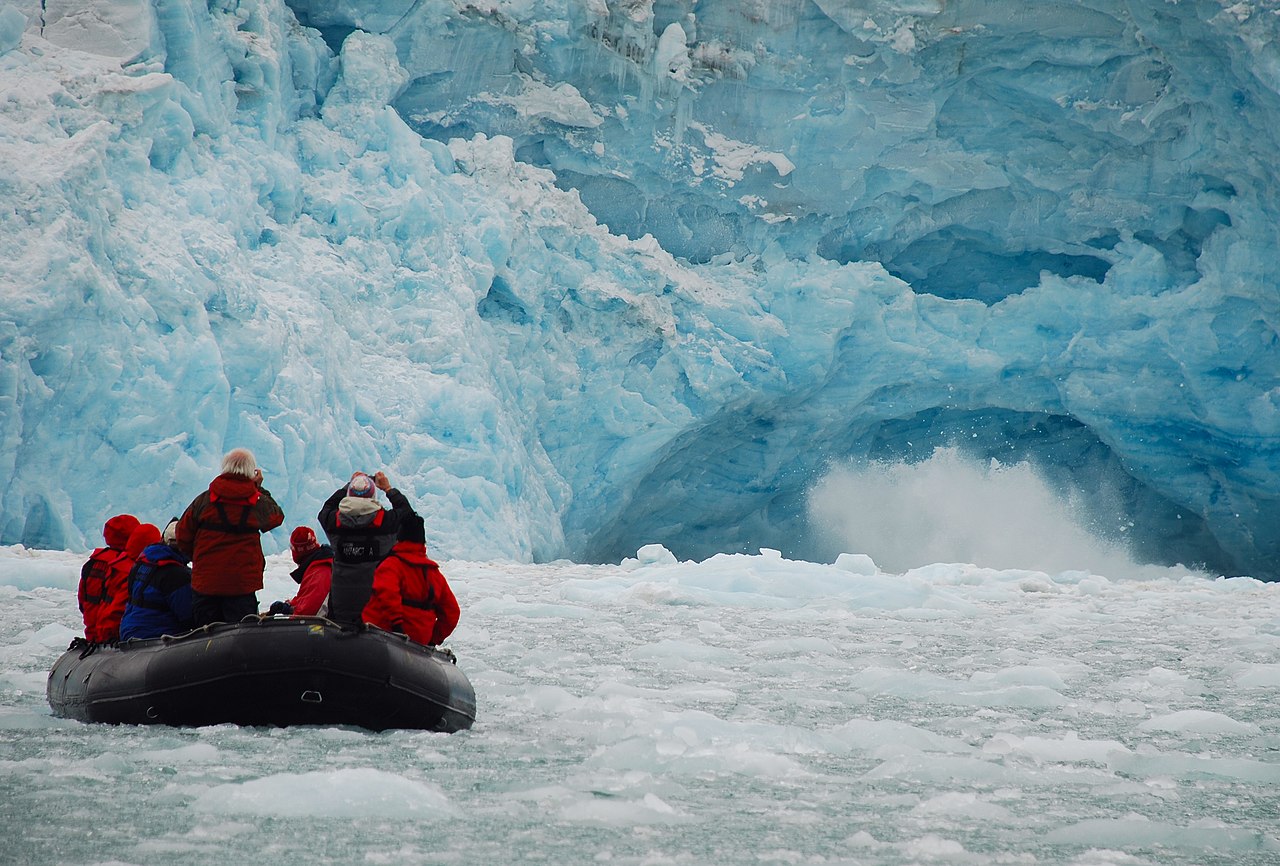
The largest island is Spitsbergen, followed by Nordaustlandet and Edgeøya. Much of Svalbard is mountainous and dissected by deep fjords. Around sixty percent of the land area is covered by glaciers, and the coastline includes many bays, peninsulas and ice-scoured cliffs. Several smaller islands and islets complete the archipelago.
Settlements and administration
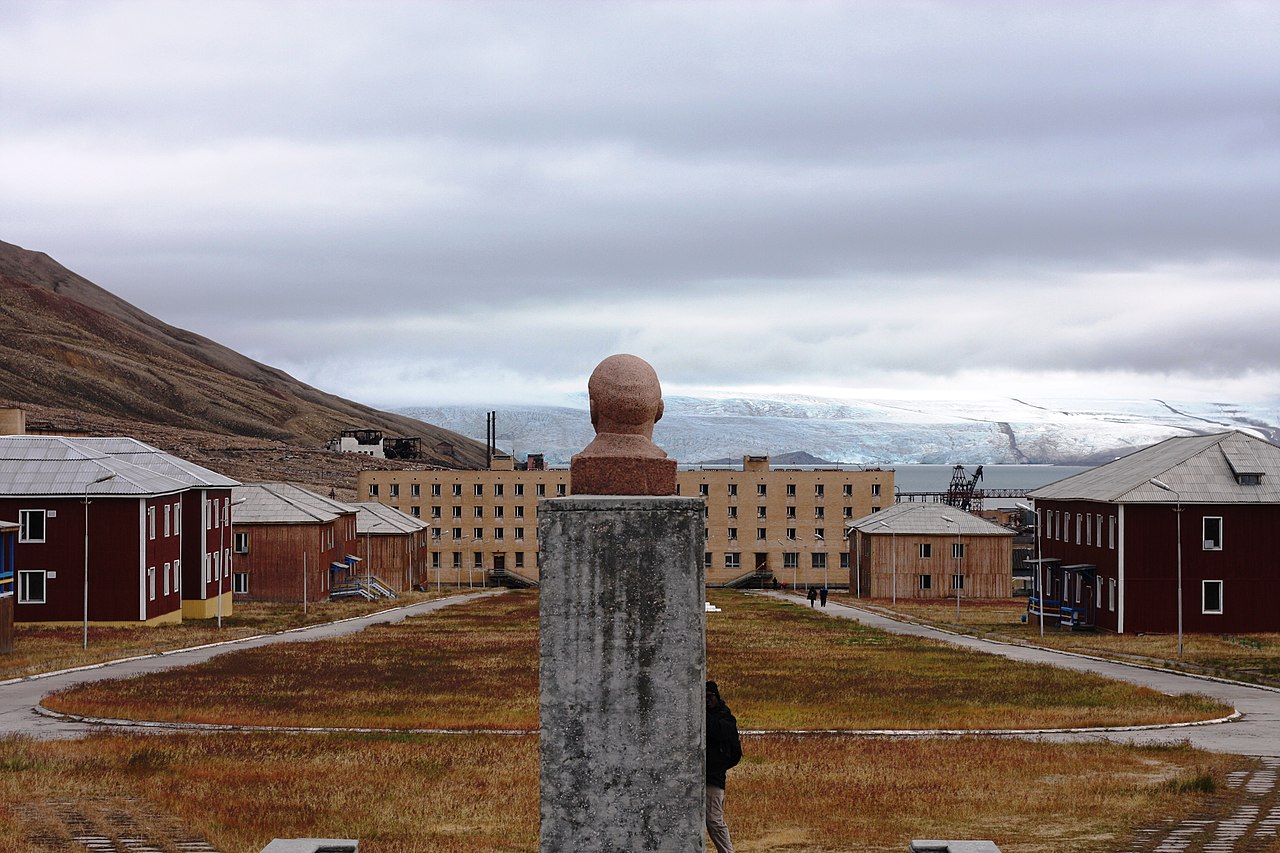
The administrative centre is Longyearbyen, which hosts the Governor of Svalbard and most civil services. Other permanent settlements include the Russian mining community of Barentsburg and the scientific hamlet of Ny-Ålesund. Historically and today there are also temporary research outposts and seasonal stations. There are few or no inter-settlement roads; transport relies on aircraft, boats and, in winter, snowmobiles.
History, law and governance
European visitors used Svalbard as a whaling base in the 17th and 18th centuries, and many early sites reflect that era of exploitation, including remains of shore stations and whaling artifacts associated with whaling. In the early 20th century commercial coal mining and permanent settlement expanded. The 1920 Spitsbergen Treaty recognised Norwegian sovereignty while granting signatories equal rights to engage in commercial activities; the Svalbard Act of 1925 integrated the archipelago into Norway under special rules, including demilitarisation and non-discriminatory economic access.
Economy, research and infrastructure
Coal was long central to the local economy, though mining has declined and only a small number of mines operate today. Research, tourism and services now play major roles. Svalbard hosts international scientific projects studying climate change, glaciology and Arctic ecosystems, and it is home to the Svalbard Global Seed Vault, a long-term seed backup facility. Air links to Longyearbyen provide year-round access and the settlements use small ports and airfields for supplies and visitors.
Wildlife and conservation
The archipelago supports specialised Arctic life: colonies of seabirds, herds of reindeer, polar bears, Arctic foxes and numerous marine mammals such as seals, walruses and several whale species. A large portion of the land and surrounding waters are protected — including seven national parks and 23 nature reserves — to conserve fragile tundra, breeding sites and important marine habitats.
- Major islands: Spitsbergen, Nordaustlandet, Edgeøya.
- Key settlements: Longyearbyen, Barentsburg, Ny-Ålesund, Sveagruva.
- Notable features: glaciers, fjords, rich bird colonies and polar wildlife.
Because of its legal status, remote location and sensitive environment, Svalbard is often cited as an important area for Arctic policy, climate research and international cooperation. For more detailed resources, follow official links and recognised scientific publications on the topic.
Svalbard remains a distinctive example of high-latitude geography, human adaptation and conservation under international agreement.
Related articles
Author
AlegsaOnline.com Svalbard: Norwegian Arctic archipelago — geography, history, wildlife and governance Leandro Alegsa
URL: https://en.alegsaonline.com/art/95362
Sources
- ssb.no : "Population in the settlements. Svalbard"
- norid.no : "The .bv and .sj top level domains"
- svalbard.nordicvisitor.com : "Climate and daylight in Svalbard (Longyearbyen)"
- suncurves.com : "Sunrise and sunset times for Longyearbyen"
- suncurves.com : Suncurves
- en.tutiempo.net : "Climate Svalbard Lufthavn - Climate data (10080)"
- scientificamerican.com : "Fast-Warming Arctic Proves Deadly to Animals and People"
- en.tutiempo.net : "Climate Svalbard Lufthavn (July 2015) - Climate data (10080)"
- metoffice.gov.uk : metoffice.gov.uk
- svalbard.climatemps.com : "Sunshine & Daylight Hours in Isfjord Radio, Svalbard, Norway Sunlight, Cloud & Day length"
- unis.no : "Weather Conditions on Svalbard"
- myweather2.com : myweather2.com/City-Town/Norway/Longyearbyen/climate-profile.aspx?month=7