
Whaling: history, methods, and modern controversies
Whaling is the practice of hunting whales for meat, oil and other products. This article explains its history, techniques, products, conservation outcomes, legal frameworks, and contemporary debates.
Overview
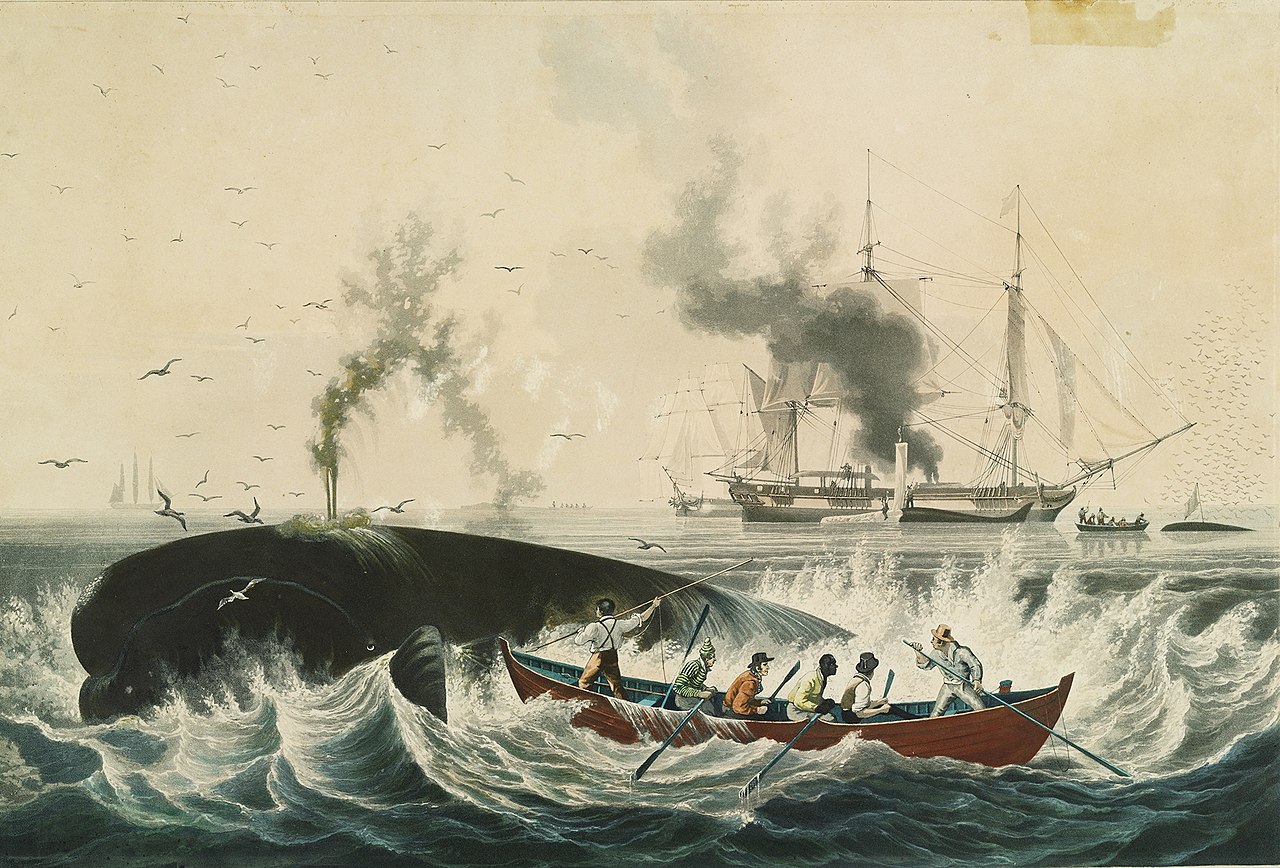
Whaling is the intentional taking of large marine mammals known collectively as whales. The activity ranges from small-scale coastal harvests to large industrial operations. People hunt whales for a variety of products, most prominently meat, oil derived from blubber, and other materials. Those who carry out whaling are commonly called whalers. The scale, methods and motivations for whaling have changed dramatically over millennia.
Image gallery
10 Images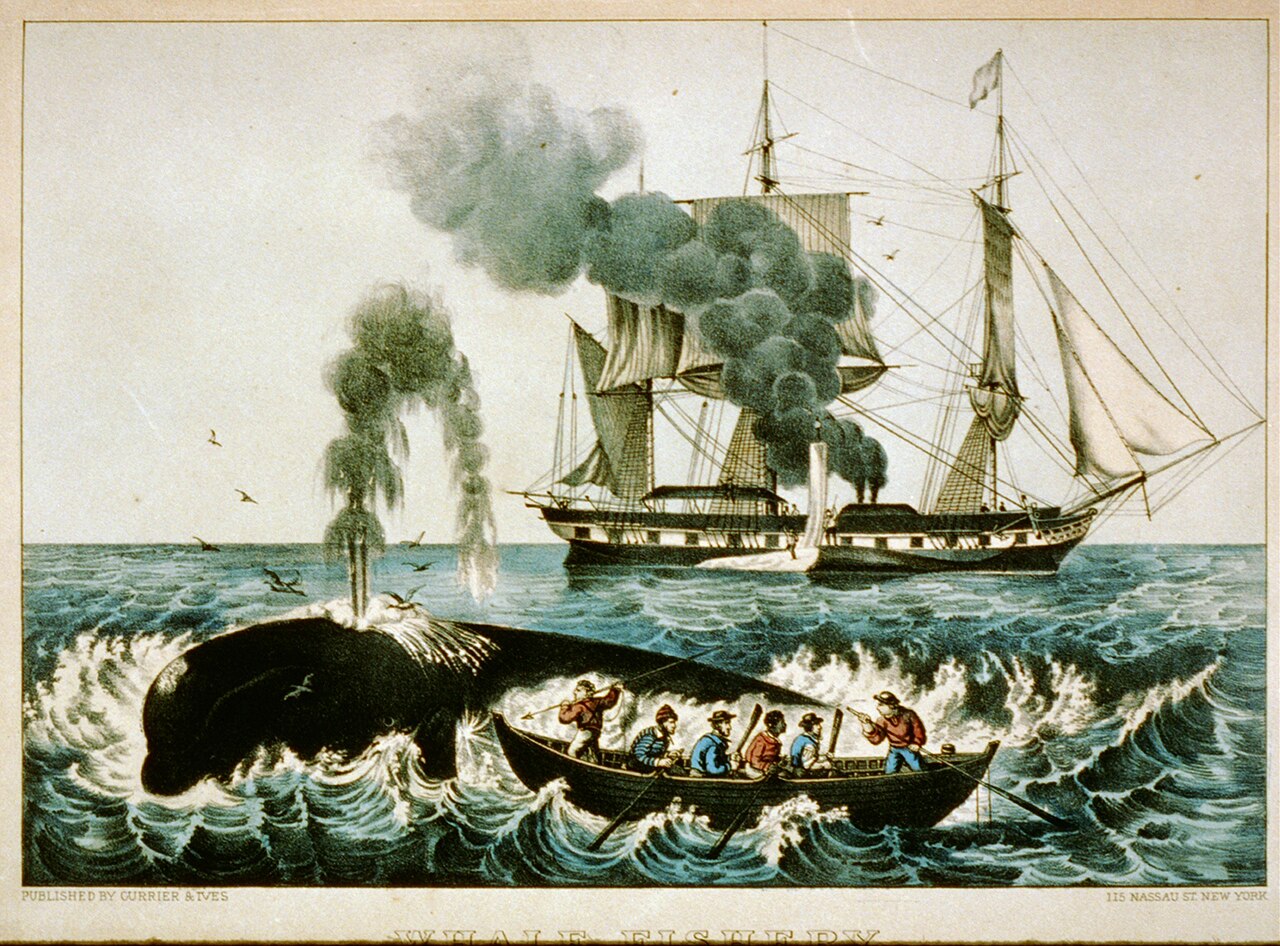



Methods and products
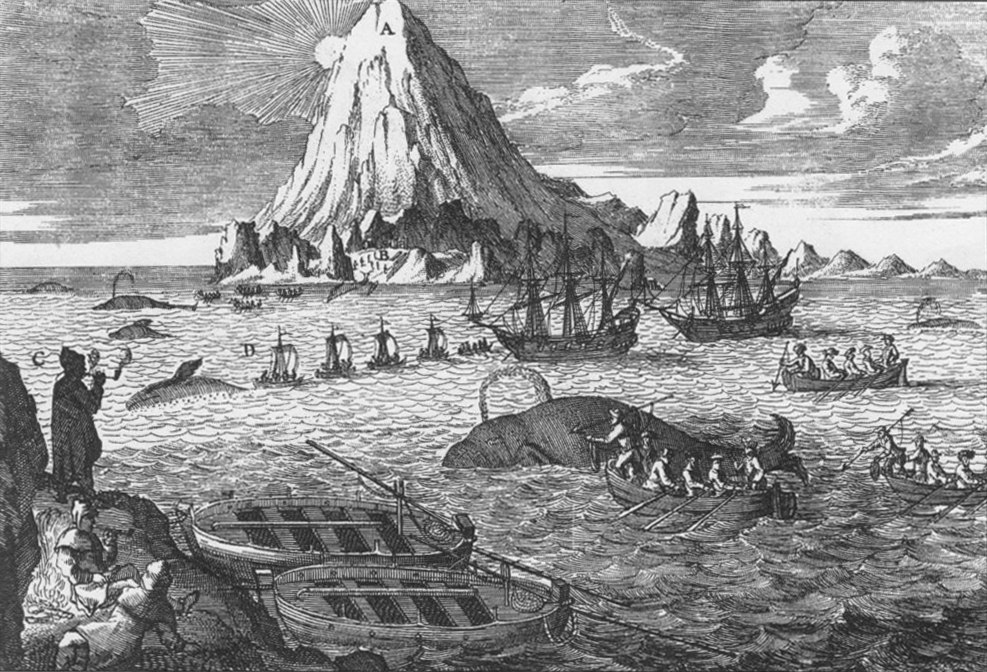
Traditional and modern techniques differ. Coastal and indigenous communities have used hand-thrown spears, small boats and communal drives to harvest stranded or migrating animals. Industrial whaling introduced specialized vessels, explosive-tipped harpoons and on-board processing plants that allowed distant-water fleets to pursue whales far from shore.
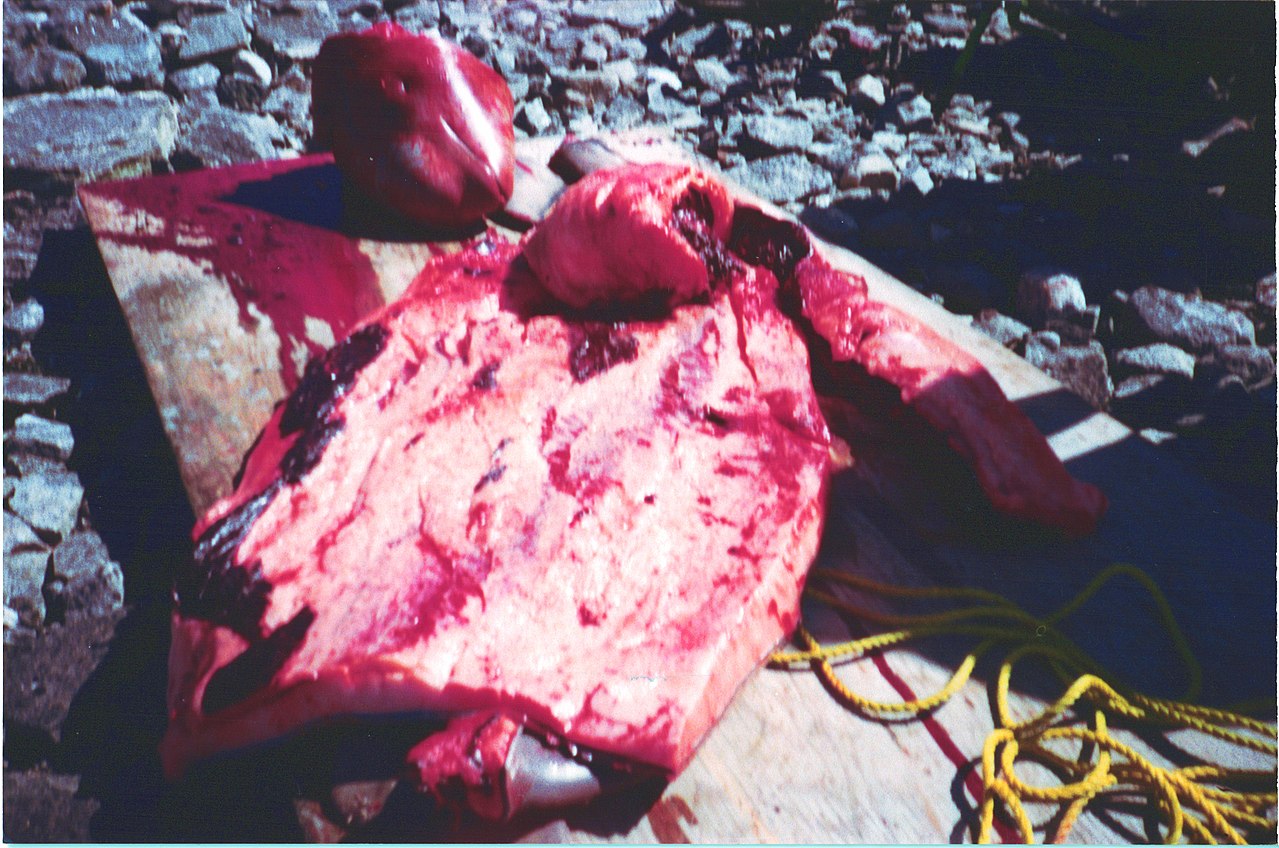
- Primary products: meat, rendered oil from blubber.
- Other materials: baleen (often called "whalebone") for flexible fittings, spermaceti and ambergris used historically in candles and perfumery.
- Types of whaling: commercial, subsistence (including customary indigenous hunts), and research or scientific programs.
History and development
Harvesting whales is ancient: coastal communities removed meat and fat from stranded and live-harvested animals for thousands of years. The advent of industrialisation transformed the practice; by the 17th century and later, purpose-built ships and shore stations expanded catch capacity and range. With greater reach and more efficient gear, hunting pressure rose and many populations declined. Intensive commercial whaling in the 19th and 20th centuries drove some stocks to dangerously low levels and raised concerns about local and global depletion and even potential extinction of particular species.
Conservation, regulation, and recovery
International responses emerged as scientific understanding and public concern grew. The mid-20th century saw international agreements and monitoring aimed at regulating catches. In 1986, an international moratorium on commercial whaling was imposed to allow stocks to rebuild. Since then some populations have shown signs of recovery, while others remain vulnerable. The regulatory landscape is complex: some nations accept limits and exemptions for indigenous subsistence, others have continued limited or resumed commercial hunts, and disputes about permissible activities persist.
Contemporary controversies and perspectives
The ethics and legality of whaling remain the subject of active debate. Supporters of resumed commercial whaling point to cultural traditions, food security, and economic arguments. Opponents cite animal welfare, conservation science, and international conservation norms. Some nations, communities and scientists also debate the role of so-called "scientific" whaling and whether certain hunts are consistent with conservation aims.
Notable distinctions and current status
It is important to distinguish subsistence hunts by indigenous communities — which are often regulated and culturally embedded — from large-scale industrial whaling aimed primarily at global markets. Modern management relies on population assessments, quotas, and international bodies to balance cultural, economic and conservation priorities. Public attention, legal frameworks and shifting markets continue to shape the future of whaling and its place in coastal societies.
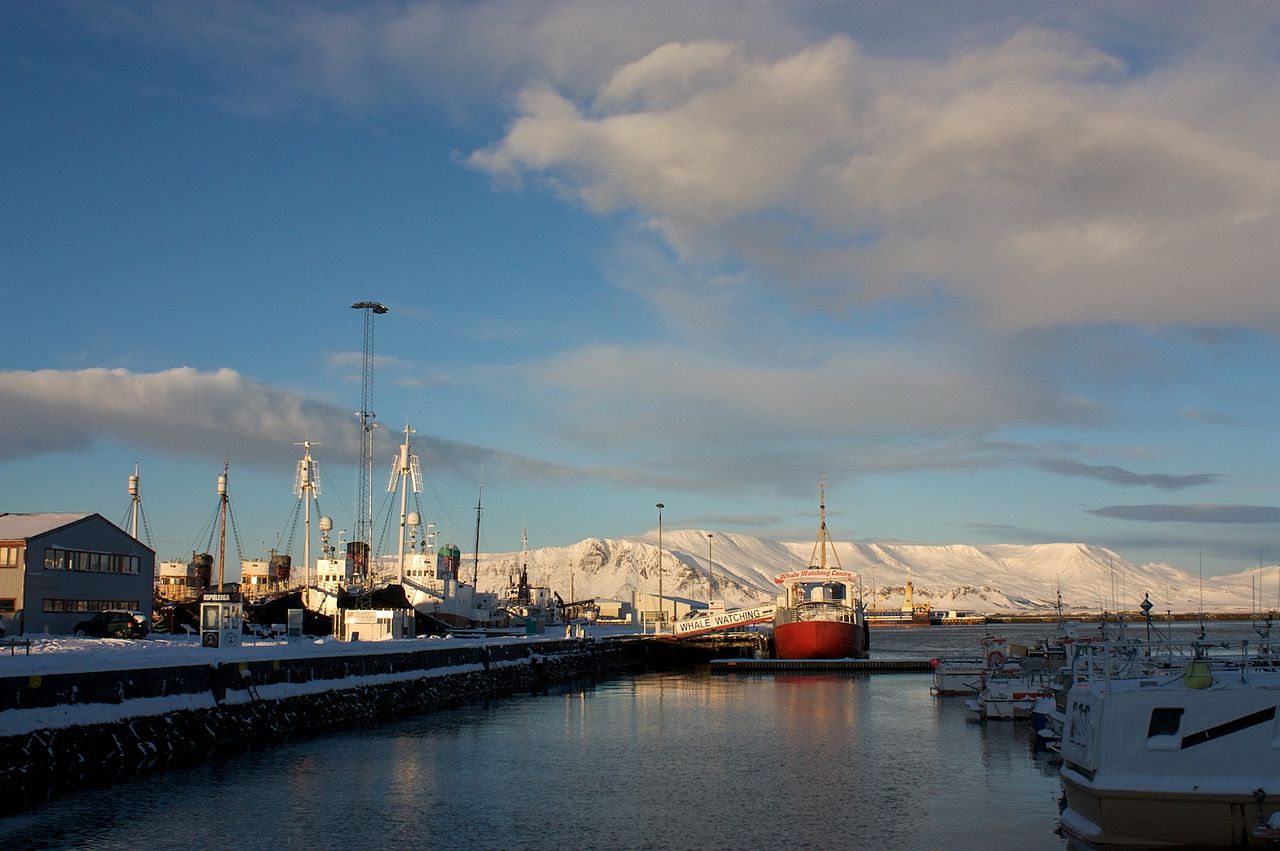
For further reading and specific regulatory texts, see national authorities and international organizations linked here: whale overview, hunting methods, meat uses, oil and blubber, blubber processing, whalers, industrialisation effects, early modern whaling, extinction concerns, and ongoing debate.
Questions and answers
Q: What is whaling?
A: Whaling is the practice of hunting whales.
Q: What is the purpose of whaling?
A: The purpose of whaling is to get meat and oil, called blubber.
Q: Who are whalers?
A: Whalers are hunters of whales.
Q: How long has whaling been done?
A: Whaling has been done at least since 3000 BC.
Q: When did industrialization affect whaling?
A: Industrialization affected whaling in the 17th century.
Q: When was the moratorium on commercial whaling introduced?
A: The moratorium on commercial whaling was introduced in 1986.
Q: What is the debate surrounding whaling?
A: The debate surrounding whaling is whether or not it is immoral and should be banned, or if the moratorium should be done away with so countries can hunt whales again.
Related articles
Author
AlegsaOnline.com Whaling: history, methods, and modern controversies Leandro Alegsa
URL: https://en.alegsaonline.com/art/107649
Sources
- britannica.com : The history of whaling
- thecanadianencyclopedia.com : Whaling