
Nordaustlandet — Northeast island of Svalbard
Nordaustlandet is the largely glaciated, uninhabited second-largest island of the Svalbard archipelago, northeast of Spitsbergen. It is notable for extensive ice caps, polar wildlife and scientific research.
Overview
Nordaustlandet (literally "northeast land") is the second-largest island in the Svalbard archipelago. It lies to the northeast of Spitsbergen, the main island of the group, and is part of the broader territory commonly referred to as Svalbard. The island is uninhabited and has no permanent settlements.
Image gallery
4 Images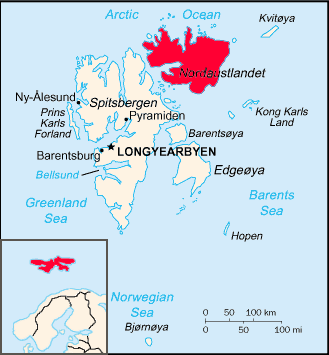


Geography and major features
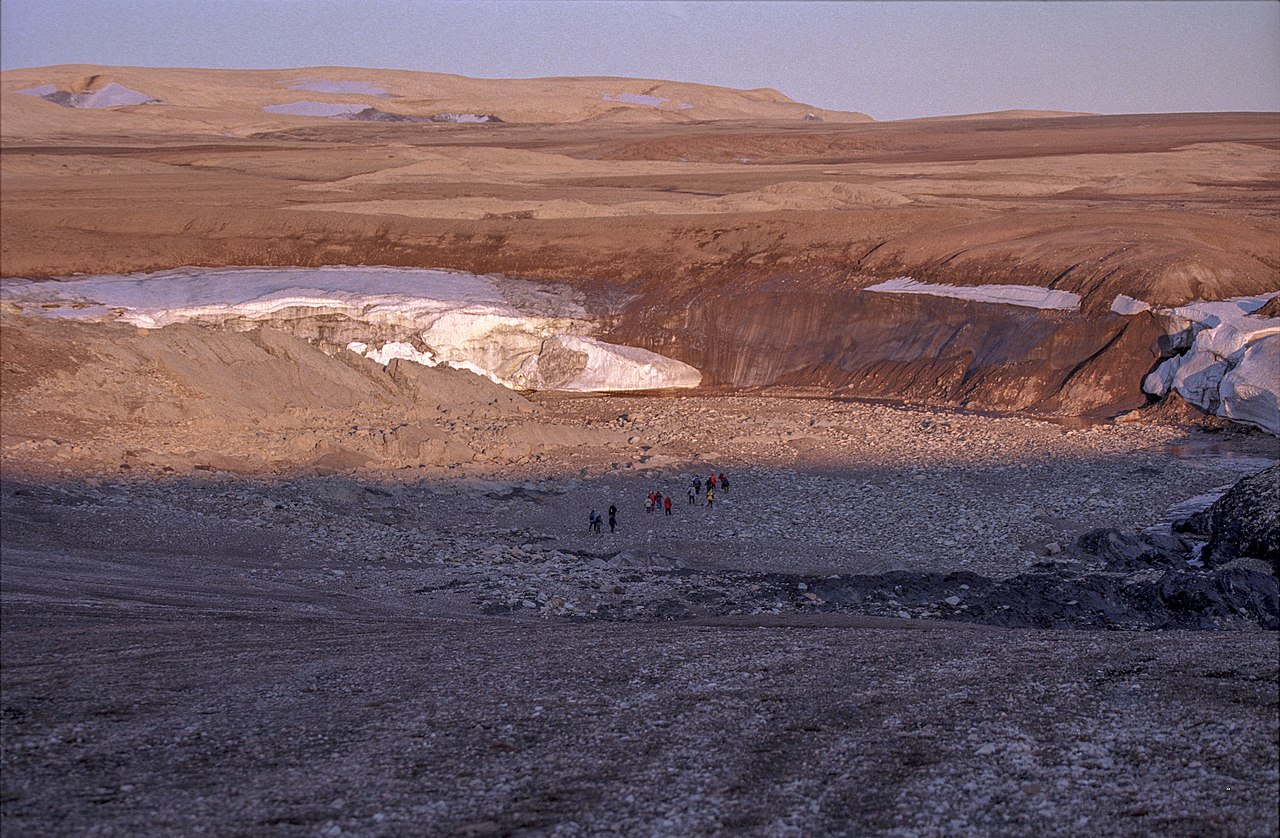
Roughly rectangular in outline, Nordaustlandet measures on the order of hundreds of kilometres across in its longest dimensions and is dominated by ice. Extensive ice caps and glaciers cover much of the surface, producing a low-relief landscape of frozen plateaus and occasional rocky coasts. The largest ice masses on the island are well known among Arctic glaciologists.
Characteristics
- Predominantly glaciated terrain with large ice caps and outlet glaciers.
- No towns or year-round human settlements; occasional temporary research camps.
- Coastal areas provide habitat for seabirds, seals and other Arctic species.
History and human activity
Though unpopulated, Nordaustlandet has featured in polar exploration and scientific work. During the twentieth century, parties visited to establish weather and meteorological stations; historical wartime activity included an operation by German personnel. Today the island is visited mainly for scientific research, monitoring and regulated expedition tourism.
Ecology and protection
The island's tundra fringes and sea-ice margins support typical high-Arctic wildlife such as seabird colonies, walruses, seals and polar bears. Because of its fragile ecosystems and the scientific value of its ice caps, much of Nordaustlandet is subject to protection and special management within the Norwegian framework for Svalbard, and access is controlled to limit disturbance.
Significance and distinctions
Nordaustlandet contrasts with Spitsbergen by being far less inhabited and far more extensively glaciated, making it especially important for studies of Arctic glaciology, sea-ice dynamics and climate change. Its remoteness and preservation also make it a representative example of unspoilt high-Arctic environments.
Related articles
Author
AlegsaOnline.com Nordaustlandet — Northeast island of Svalbard Leandro Alegsa
URL: https://en.alegsaonline.com/art/70673