
Coal mining: methods, history, uses, and impacts
Coal mining is the extraction of coal from the ground. This article explains methods, historical development, uses in energy and industry, and environmental and safety considerations.
Overview
Coal mining is the process of extracting coal from the earth for use as a fuel and industrial raw material. It is a major component of the extractive mining sector and contributes to the broader economic industry that supplies energy and materials. Coal remains important in many regions for power generation and steelmaking, though its role has changed with shifts in policy and technology.
Image gallery
10 Images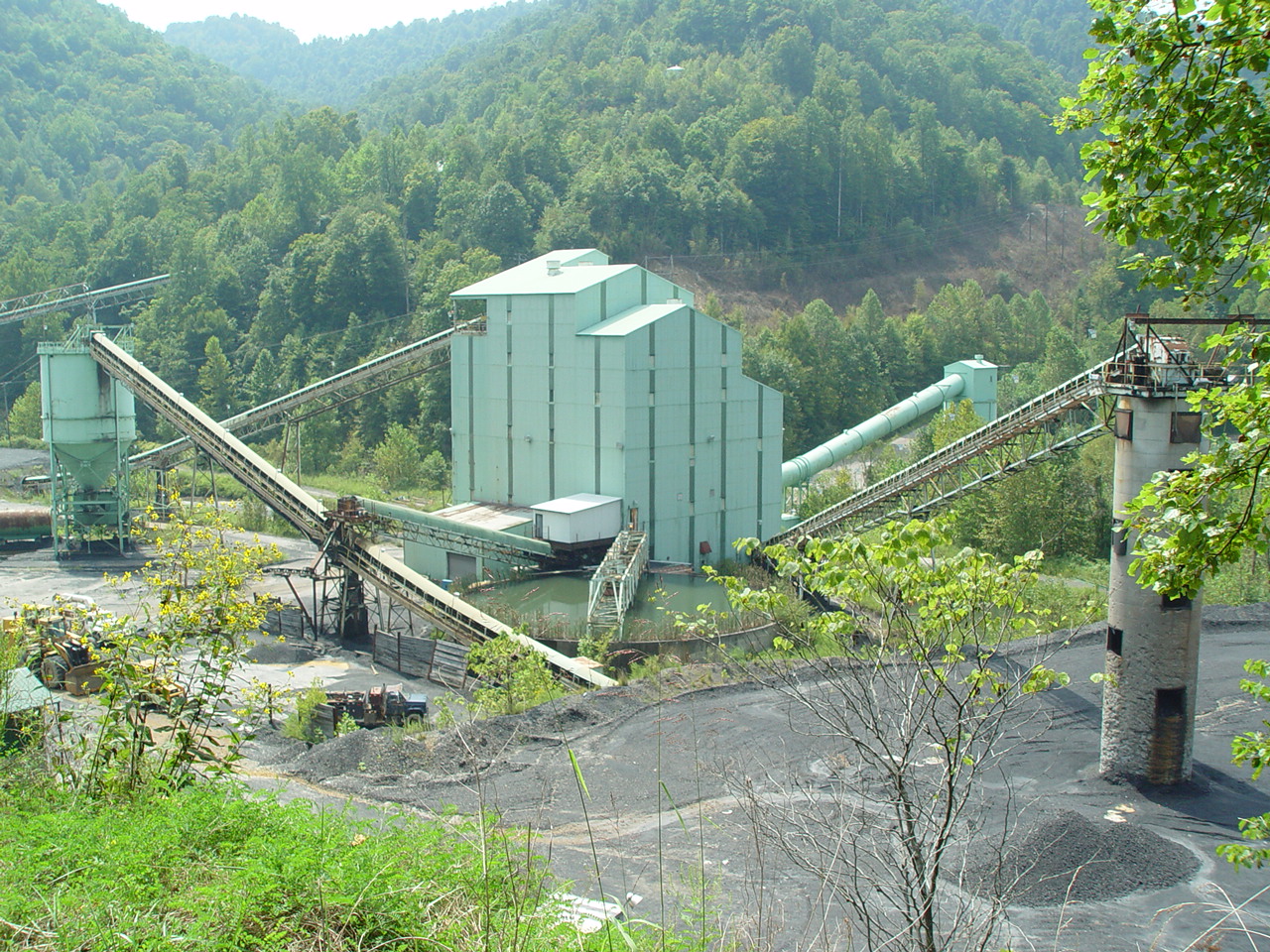


Methods and characteristics
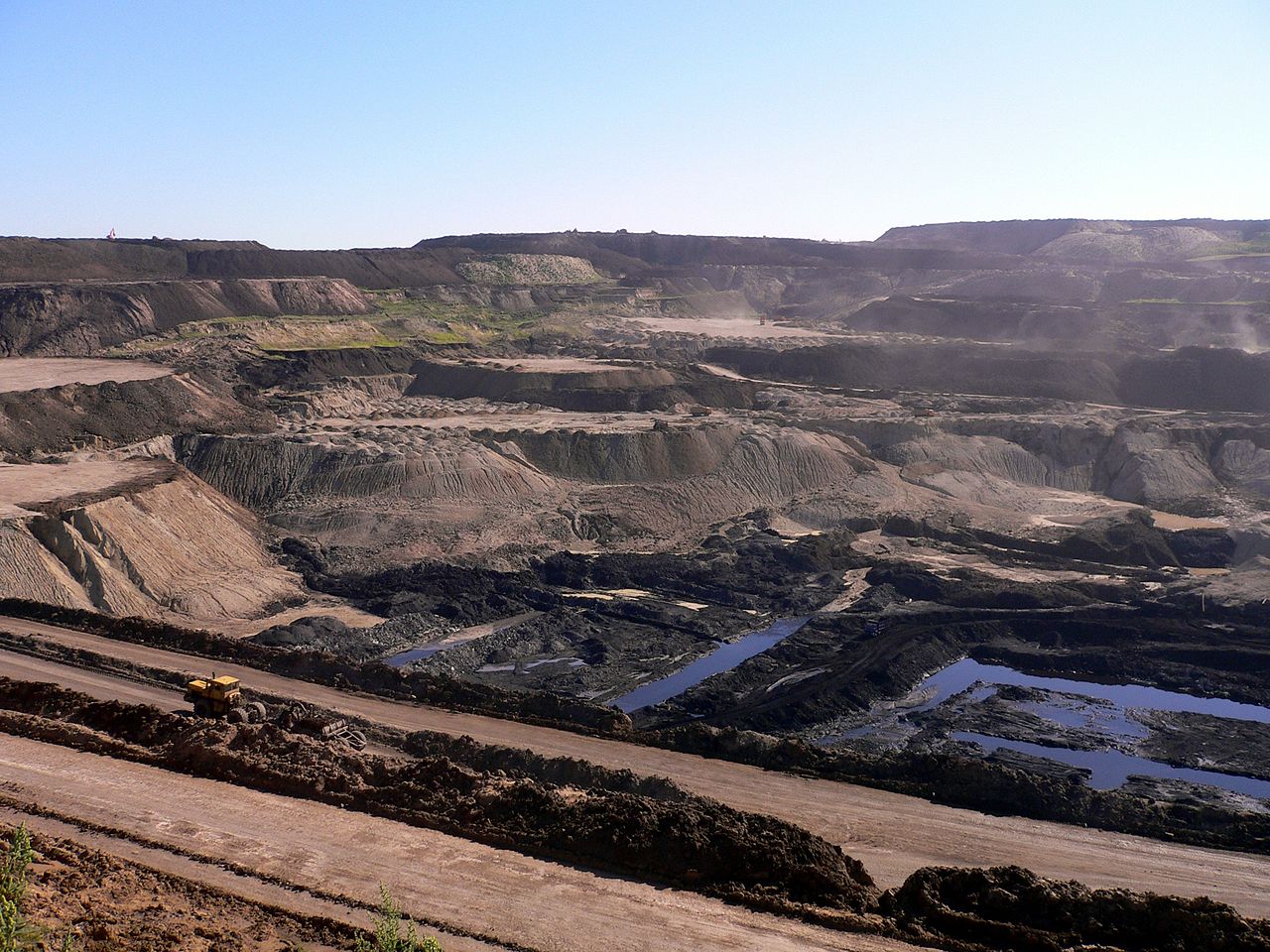
There are two broad approaches to coal extraction: surface and underground. Surface techniques include open-pit and strip mining, which remove soil and overburden to reach shallow deposits. Underground methods such as room-and-pillar and longwall mining recover deeper seams. Modern operations use mechanized equipment, conveyor systems, and automation to increase productivity and safety.
History and development
Coal mining expanded rapidly from the 18th and 19th centuries with industrialization, powering steam engines, factories, and railways. Over time the sector saw mechanization, improved ventilation, and regulatory changes that reduced some traditional hazards. In recent decades, economic and environmental pressures have led to mine closures in some areas and continued development in others.
Uses and economic importance
Coal is chiefly used to generate electricity and as a feedstock in industry. Thermal coal is burned in power stations to produce electricity, while metallurgical coal (coking coal) is vital for steel production and other industrial processes. Governments and companies consider coal for energy security, job provision, and as part of regional economies.
Environmental, health, and safety issues
- Environmental impacts include land disturbance, habitat loss, and runoff that can cause water pollution.
- Coal combustion and some mining processes produce greenhouse gases and airborne particulates that affect air quality and climate.
- Occupational hazards—such as methane explosions, dust inhalation, and cave-ins—have shaped safety rules and technologies.
Regulation, reclamation, and distinctions
Regulatory frameworks require permits, safety oversight, and post-mining land reclamation in many jurisdictions. Reclamation restores soils, vegetation, or water systems after closure. Coal varieties—lignite, sub-bituminous, bituminous, and anthracite—differ in carbon content and energy value, influencing how each is mined and used. For further background on the resource and industry context see resource overview and sector discussions at industry portals such as coal and mining.
Ongoing developments include cleaner combustion technologies, emissions controls, and automation in extraction. Debates continue about balancing energy needs, economic effects, and environmental goals.
Related articles
Author
AlegsaOnline.com Coal mining: methods, history, uses, and impacts Leandro Alegsa
URL: https://en.alegsaonline.com/art/21216