
North Pole (geographic)
The North Pole is Earth's northernmost point, located in the Arctic Ocean at the axis of rotation. It is distinct from the Magnetic North Pole and notable for polar seasons, sea ice, exploration and scientific study.
The North Pole is the point on Earth's surface that lies farthest to the north and marks the axis around which the planet rotates. Often called the geographic North Pole, it is not on any continent but sits amid the frozen waters of the Arctic Ocean; see geographic North Pole for related maps and definitions. Because the pole coincides with Earth's axis, all directions from that point are due south.
Image gallery
10 Images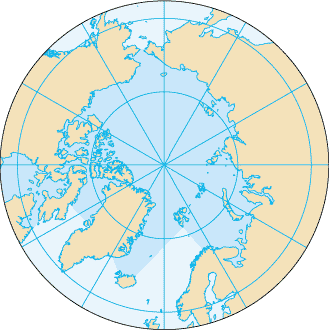




Physical setting and ice cover
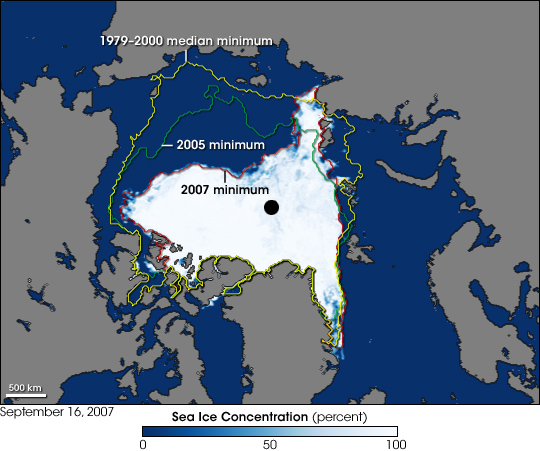
The surface at the North Pole is sea ice rather than solid land. The surrounding waters of the Arctic Ocean are usually extremely cold, and ice forms a shifting, multi-year cover. This floating ice grows, thins and drifts with currents and wind, so there is no permanent terrestrial foundation. The ice is commonly described generically as sea ice and its thickness, extent and seasonal stability are important for climate and navigation.
Light, seasons and climate
Because of Earth's tilt, the pole experiences long periods of continuous daylight and continuous night. The Sun stays above the horizon for many weeks in summer (the so-called midnight sun) and remains below the horizon for many weeks in winter (polar night). Even in summer, the Sun never reaches a high elevation there, so temperatures remain generally low. These extremes shape local weather, ice dynamics and ecology.
Magnetic North and navigation
The geographic North Pole is different from the Magnetic North Pole, which is the point toward which magnetic compasses point and moves over time. A magnetic compass therefore indicates a direction that is not identical to geographic north; near the pole compasses become unreliable. For celestial navigation, the star Polaris (the North Star) has long been used because it appears near the northern celestial pole; see Polaris. Historical and modern navigators must understand both magnetic and geographic references; simple instruments like a compass have limits near high latitudes.
Human presence, exploration and research
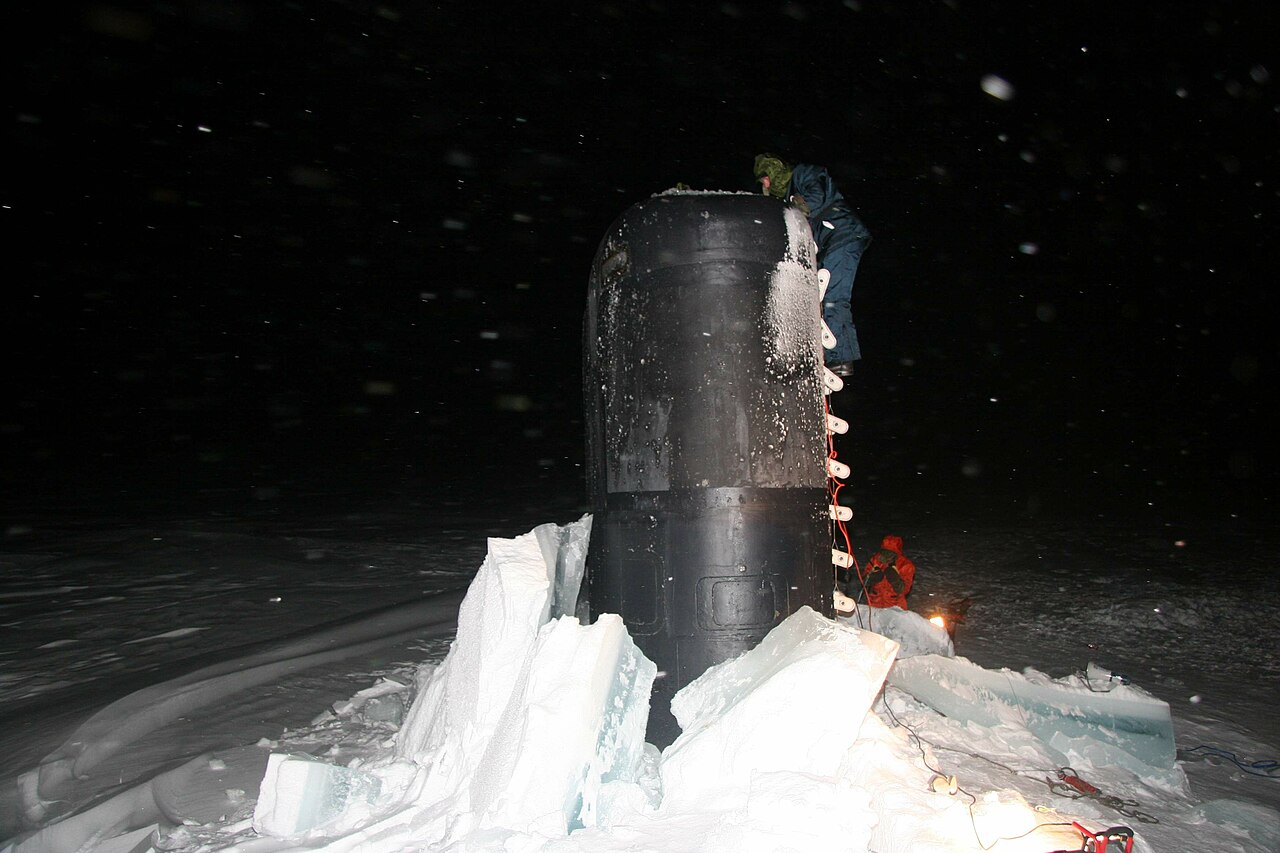
The North Pole has attracted explorers, scientists and tourists. Early expeditions sought to reach the pole by ship, sledge and aircraft; later efforts included temporary camps and drifting research stations that study oceanography, meteorology and glaciology. There are no permanent settlements at the pole because the surface is mobile ice, but seasonal or temporary installations support scientific work and guided visits.
Importance and notable facts
- Scientific value: the pole is a focal point for climate studies because sea ice, ocean circulation and polar atmosphere interact there.
- Environmental concerns: rising temperatures have altered ice extent and thickness, affecting ecosystems and human activity.
- Navigation and distinction: geographic, magnetic and geomagnetic poles are distinct concepts relevant to mapping and travel.
For concise mapping and reference resources linked to the pole and polar phenomena, consult general geographical entries and educational materials such as those indicated by this reference, studies of the Arctic Ocean, accounts of the Sun's polar behavior, descriptions of sea ice, navigation aids like the compass, and information on Polaris.
Related articles
Author
AlegsaOnline.com North Pole (geographic) Leandro Alegsa
URL: https://en.alegsaonline.com/art/70932
Sources
- weatherbase.com : "CLOSEST DATA FOR NORTH POLE - 440 MI/709 KM, GREENLAND"