
Reindeer (Rangifer tarandus): biology, behavior and human relationships
Reindeer (Rangifer tarandus), called caribou in North America, are Arctic and subarctic deer known for seasonal antlers, nomadic migrations, cold adaptations and close cultural ties to northern peoples.
Overview
The reindeer (Rangifer tarandus) is a northern deer species found across Arctic and subarctic regions of Eurasia and North America. In North America it is commonly called the caribou. Taxonomists place it among the even-toed ungulates and within the broader deer family. Populations are divided into multiple subspecies or regional herds whose boundaries and names vary among researchers.
Image gallery
10 Images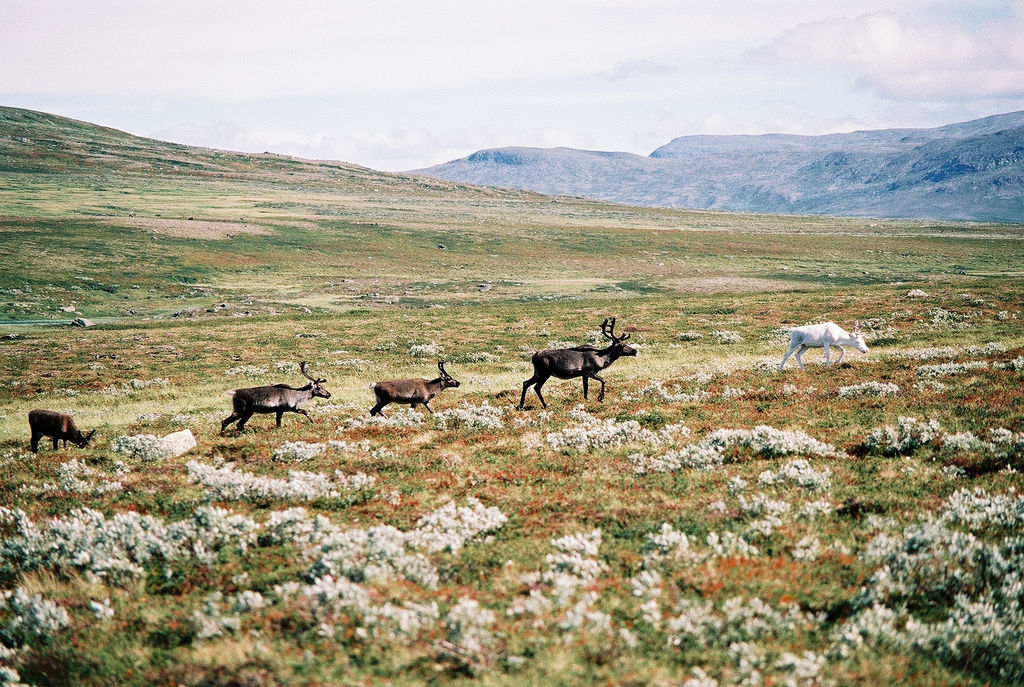




Physical characteristics and adaptations
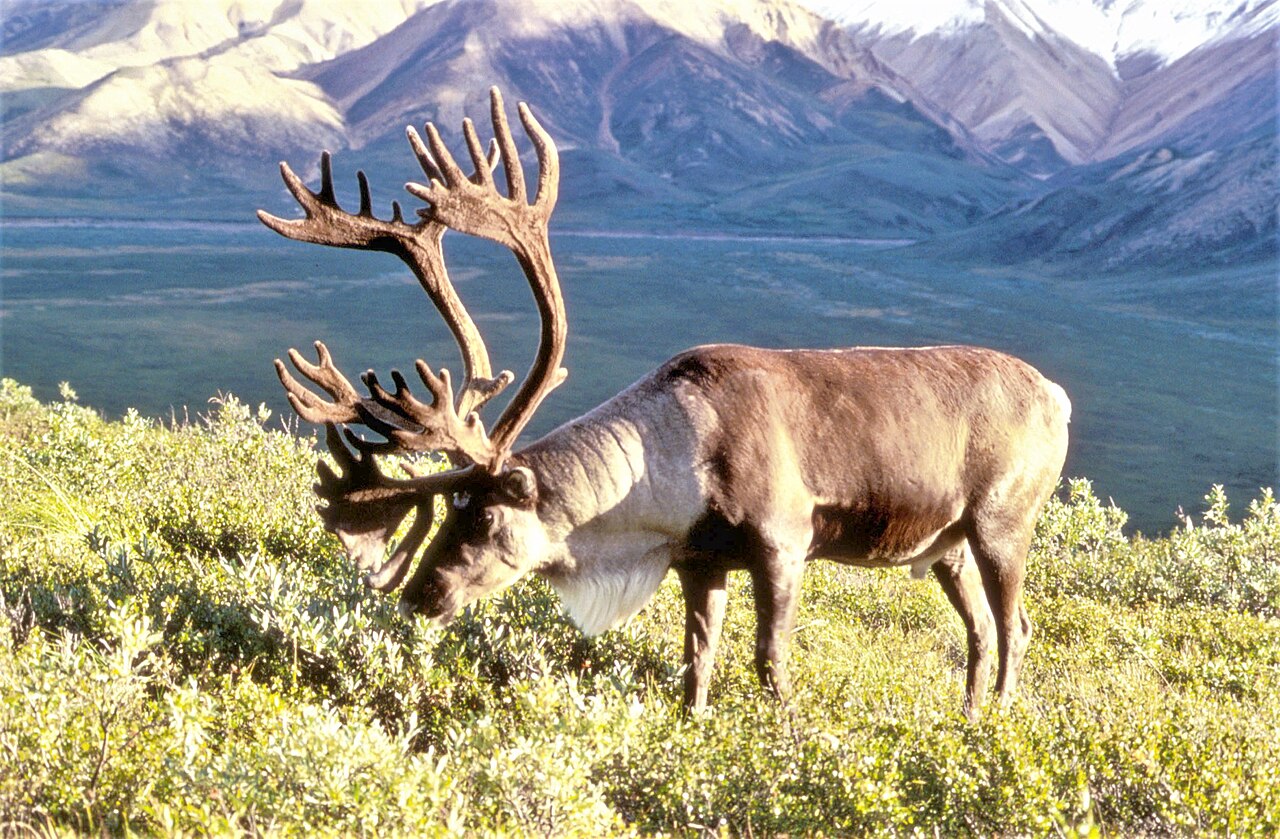
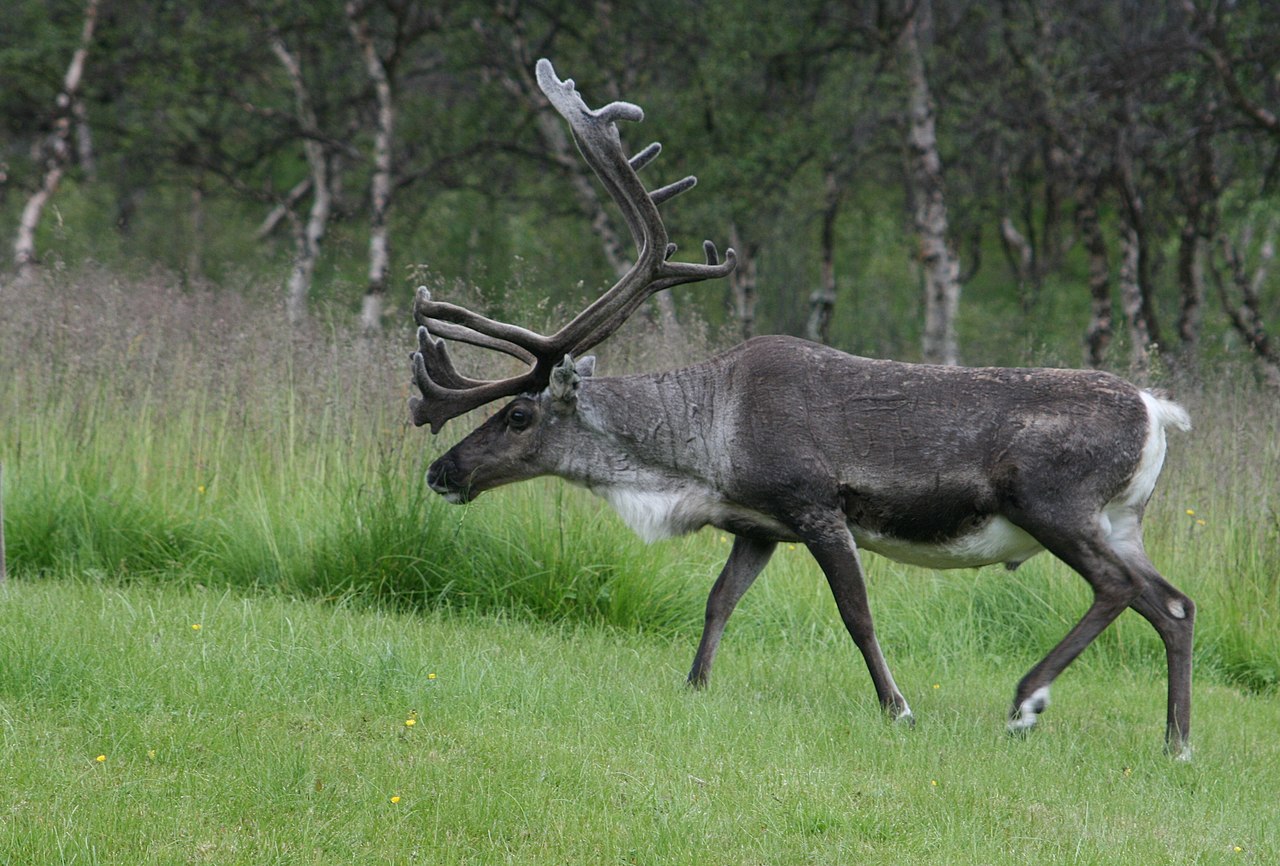
Reindeer are adapted to cold, open landscapes. Both males and females grow antlers each year, a rare trait among deer, and coats thicken and change color with the seasons. Their large, round hooves spread to support weight on snow and soft tundra and act as effective snowshoes. Dense underfur and hollow guard hairs trap air for insulation, while special nasal structures warm inhaled air. Research also indicates they can detect ultraviolet light, which helps them see contrasts against snow and find lichens and predators.
Range, migration and behavior
Different populations occupy tundra, taiga and mountainous areas from Scandinavia and Siberia to Alaska and northern Canada. Some herds undertake long seasonal migrations, among the longest of any terrestrial mammal, travelling between winter feeding grounds and summer calving areas. Diets are mainly lichens in winter and a broader mix of grasses, herbs and shrubs in summer. Social structure varies with season—dense migratory herds contrast with smaller family groups at other times.
Human relationships and uses
Reindeer have been closely associated with northern indigenous peoples for millennia. Certain groups practice reindeer husbandry, keeping animals for meat, milk, hides and transport. This domestication is unusual among deer species: many sources note that reindeer are the only deer to have been widely domesticated. Modern herding continues in parts of Scandinavia and Russia, and in some regions reindeer remain central to cultural identity and subsistence.
Conservation, threats and notable facts
Conservation status differs among herds: some are stable while others are declining because of habitat loss, industrial development, climate change and overhunting. Management efforts often seek to balance local livelihoods and ecosystem needs. Notable facts include female antlers retained into winter in many populations, the species' association with northern folklore and holiday imagery, and long-distance migrations documented for several caribou herds. For further taxonomic and regional information see introductory resources on deer classification, human-reindeer relationships at regional guides, and domestication studies at relevant research summaries.
- Key adaptations: hollow guard hairs, wide hooves, seasonal coat changes.
- Human uses: meat, milk, hides, transport and cultural significance.
- Distinctive trait: antlers on both sexes in most populations.
Related articles
Author
AlegsaOnline.com Reindeer (Rangifer tarandus): biology, behavior and human relationships Leandro Alegsa
URL: https://en.alegsaonline.com/art/81973
Sources
- calgaryherald.com : Caribou face major threat from climate change, study finds; Historic habitat could shrink by 90 per cent by 2070
- species.wikimedia.org : Rangifer
- commons.wikimedia.org : Rangifer tarandus