
Glacier: formation, types, features, and contemporary significance
A glacier is a persistent mass of compacted snow and ice that flows under its own weight, shaping landscapes and storing much of Earth's freshwater. This article explains formation, types, roles, and recent changes.
Overview
A glacier is a large, long-lived body of dense ice formed from accumulated snow in places where more snow falls than melts over many years. When seasonal melt in summer does not remove all winter accumulation, repeated cycles cause buried snow to compact and recrystallize. Over time the lower layers transform into granular firn and ultimately into solid glacial ice that can persist for centuries to millennia.
Image gallery
10 Images




Formation and movement
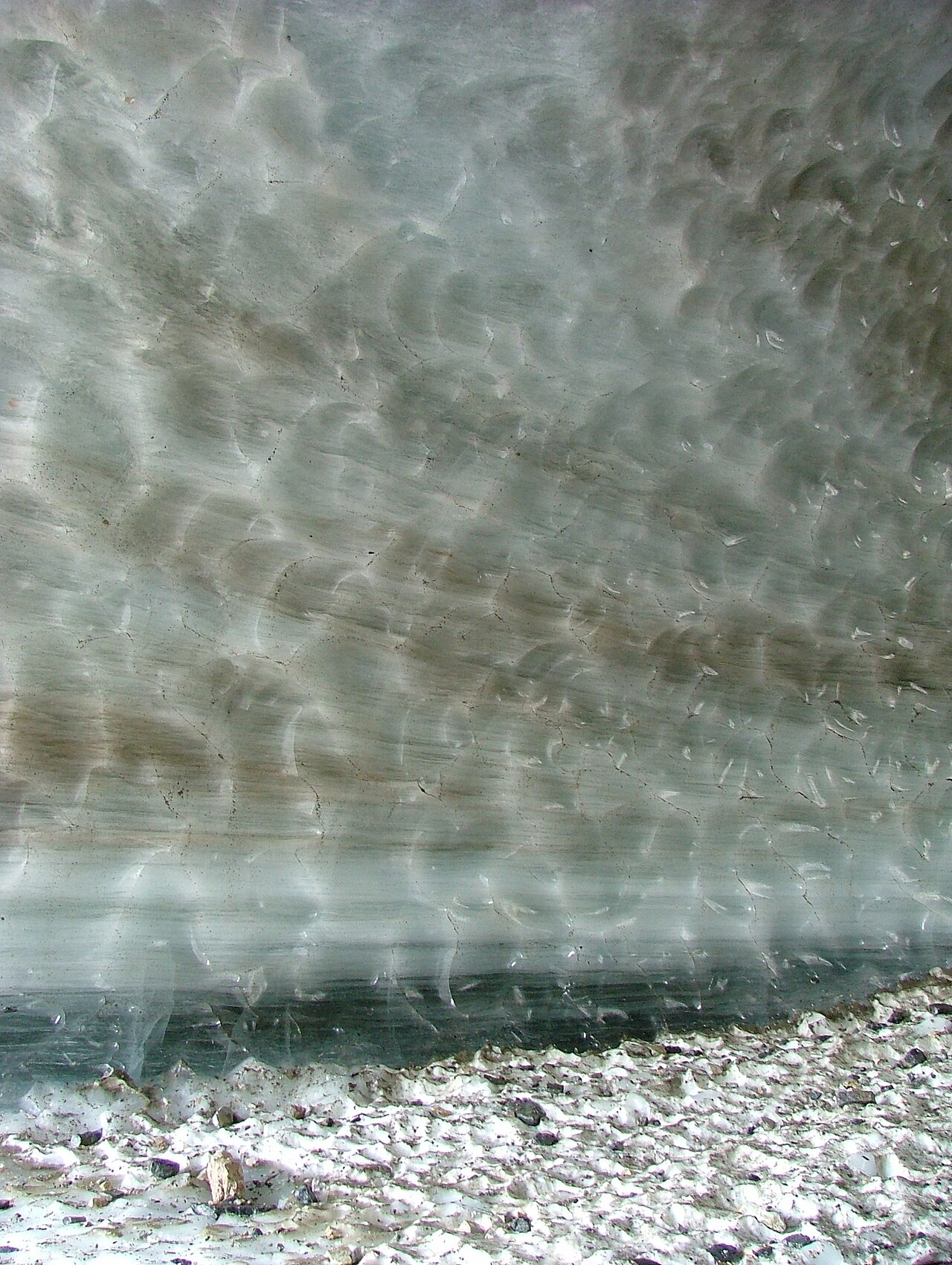
The growth of a glacier results from an annual balance between accumulation (new snowfall) and ablation (melting, sublimation, or calving). Each winter adds mass; the weight of overlying snow and firn increases pressure, and pressure and small amounts of meltwater cause grains to fuse into blue-tinged glacial ice. Once thick enough, the glacier deforms and flows under gravity. Flow can occur by internal deformation of the ice crystal lattice and by sliding at the base where meltwater lubricates the bed. Speeds vary widely: many glaciers creep centimeters to meters per year, while some outlet glaciers and surging glaciers can move much faster for short periods.
Types and characteristic features
Glaciers are commonly categorized by setting and behavior:
- Valley or alpine glaciers flow in mountain troughs and carve U-shaped valleys.
- Ice caps and ice fields cover upland areas and feed multiple outlet glaciers.
- Ice sheets are the largest form and blanket entire regions, notably in Greenland and Antarctica.
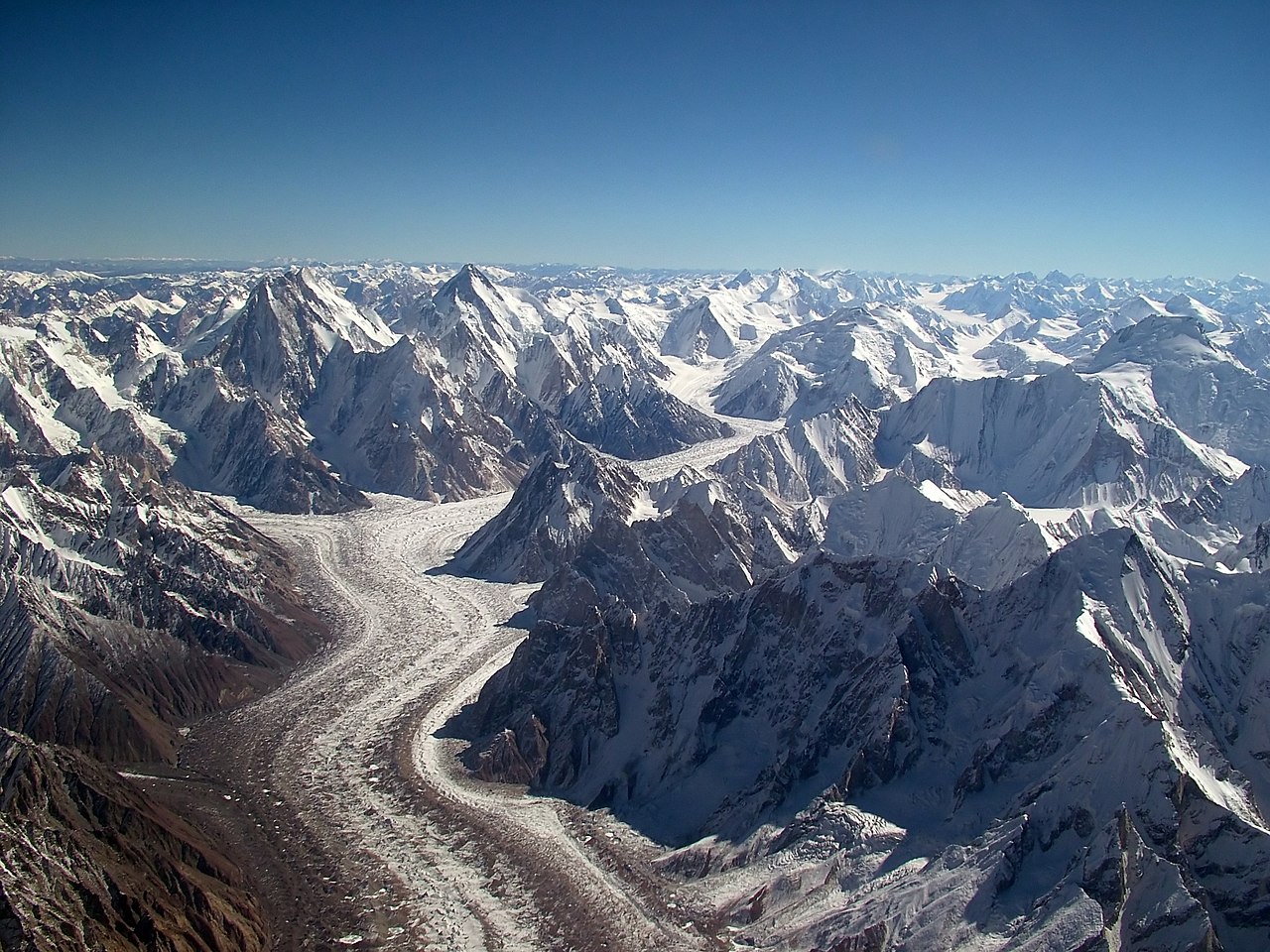
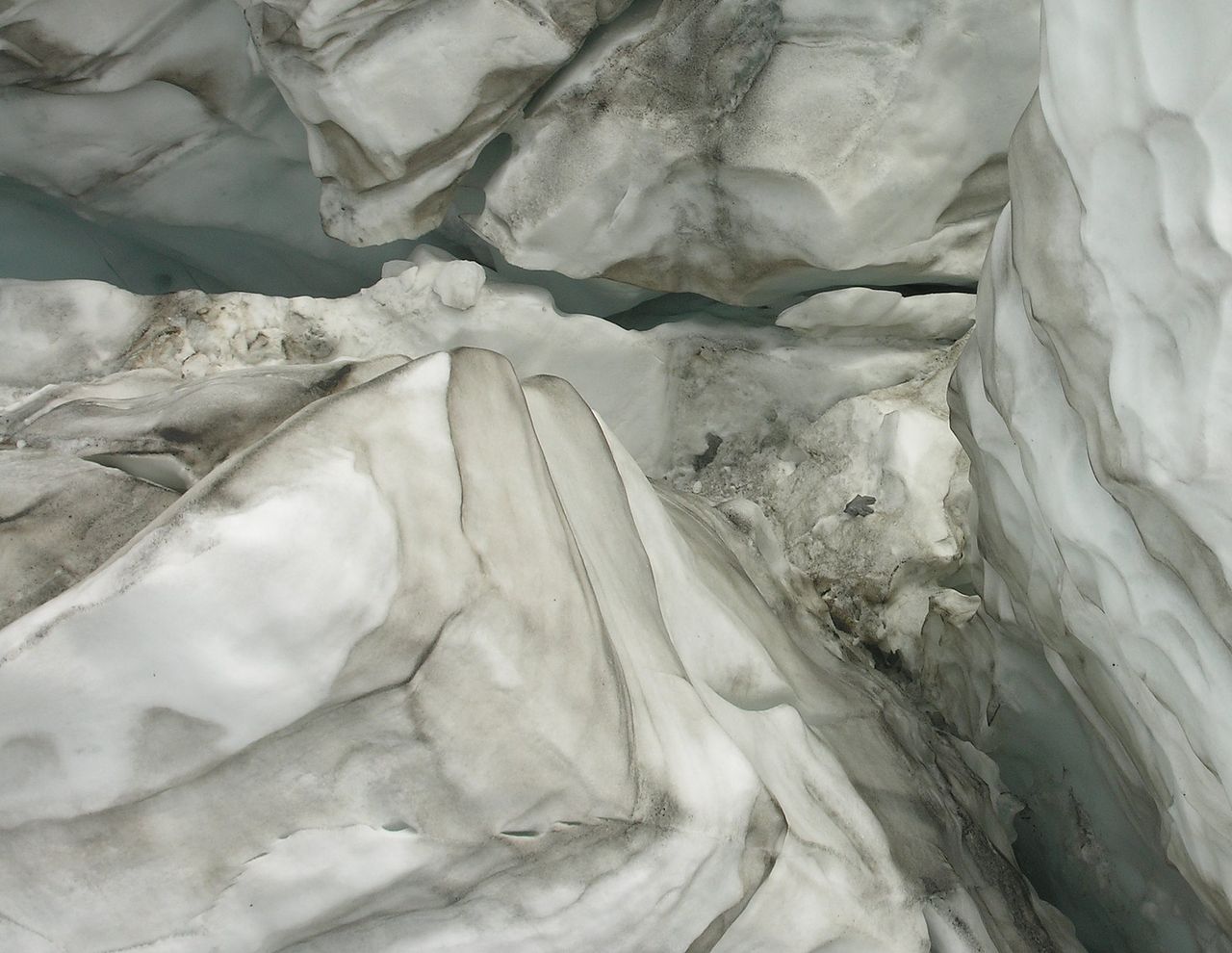
Glacial landscapes display distinct features produced by erosion and deposition: crevasses, moraines (ridges of debris), cirques (amphitheater-like hollows), drumlins, and fjords where glaciers have met the sea. Meltwater streams and proglacial lakes also form near glacier margins.
Geological history and role
Glaciers have been major agents of continental-scale change during Earth’s climate cycles. Repeated glaciations in the Pleistocene carved much of the present topography in higher latitudes and left sediments and landforms that influence soils and drainage. As powerful agents of erosion and transport, glaciers grind bedrock into fine sediments and deposit material that shapes river systems and coastal plains.
Importance to humans and ecosystems
Glaciers are vital freshwater reservoirs, releasing meltwater that sustains rivers and agriculture in many regions. They help regulate sea level and regional climates. In contrast, the world’s largest bodies of salt water are the oceans, which behave very differently from terrestrial ice. Communities downstream of glaciers often depend on their seasonal melt for drinking water, irrigation, and hydroelectric power.
Contemporary changes and notable facts
Many glaciers are retreating in response to recent warming: reductions in length and mass are widely observed, with consequences that include reduced freshwater supply, changes to river timing, exposure of previously ice-covered land, and contributions to sea-level rise. Some glaciers also exhibit episodic surges or rapid thinning driven by changes in flow and basal conditions. Well-known ice bodies like the Greenland and Antarctic ice sheets hold the largest volumes of glacial ice and are central to discussions about long-term sea-level change.
Further reading and links
For introductory explanations and images, see general resources marked here: ice basics, snow processes, seasonal cycles in summer and winter, physical drivers such as weight, pressure, and gravity, and context about salt water and the oceans (overview).
Questions and answers
Q: What is a glacier?
A: A glacier is a large body of ice and snow.
Q: How does a glacier form?
A: A glacier forms when the snow in an area does not all melt in summer. Each winter, more snow is added. The weight of all the snow creates pressure. This pressure turns the lower parts of the snow into ice.
Q: How does a glacier grow larger?
A: A glacier grows larger after the pressure turns the lower parts of the snow into ice. After this happens for many years, the glacier will start growing large.
Q: How does a glacier move?
A: Gravity causes the ice to move. It flows downwards like water but very slowly.
Q: How fast does a glacier move?
A: A glacier only moves about 50 metres (160 ft) per year.
Q: What do new snowfalls replace?
A: New snowfalls replace the parts of the glacier that flow away.
Q: What are the largest sources of fresh water on Earth?
A: Glaciers are the largest sources of fresh water on Earth. The largest bodies of salt water are the oceans.
Related articles
Author
AlegsaOnline.com Glacier: formation, types, features, and contemporary significance Leandro Alegsa
URL: https://en.alegsaonline.com/art/39071