
Swahili Coast: History, Culture, and Maritime Trade of East Africa
Coastal region of East Africa inhabited by Swahili communities across Kenya, Tanzania and northern Mozambique; noted for Indian Ocean trade, Swahili language, Islamic influence and historic stone towns.
Overview
The Swahili coast refers to the strip of East Africa lying along the Indian Ocean that has been shaped by centuries of seafaring, trade and cultural exchange. It is associated with the East coast of Africa and with communities collectively known as the Swahili people. The coastal zone commonly includes parts of Kenya, Tanzania and the northern mainland of Mozambique, and may extend to offshore islands such as Zanzibar.
Image gallery
8 Images



Geography and settlements
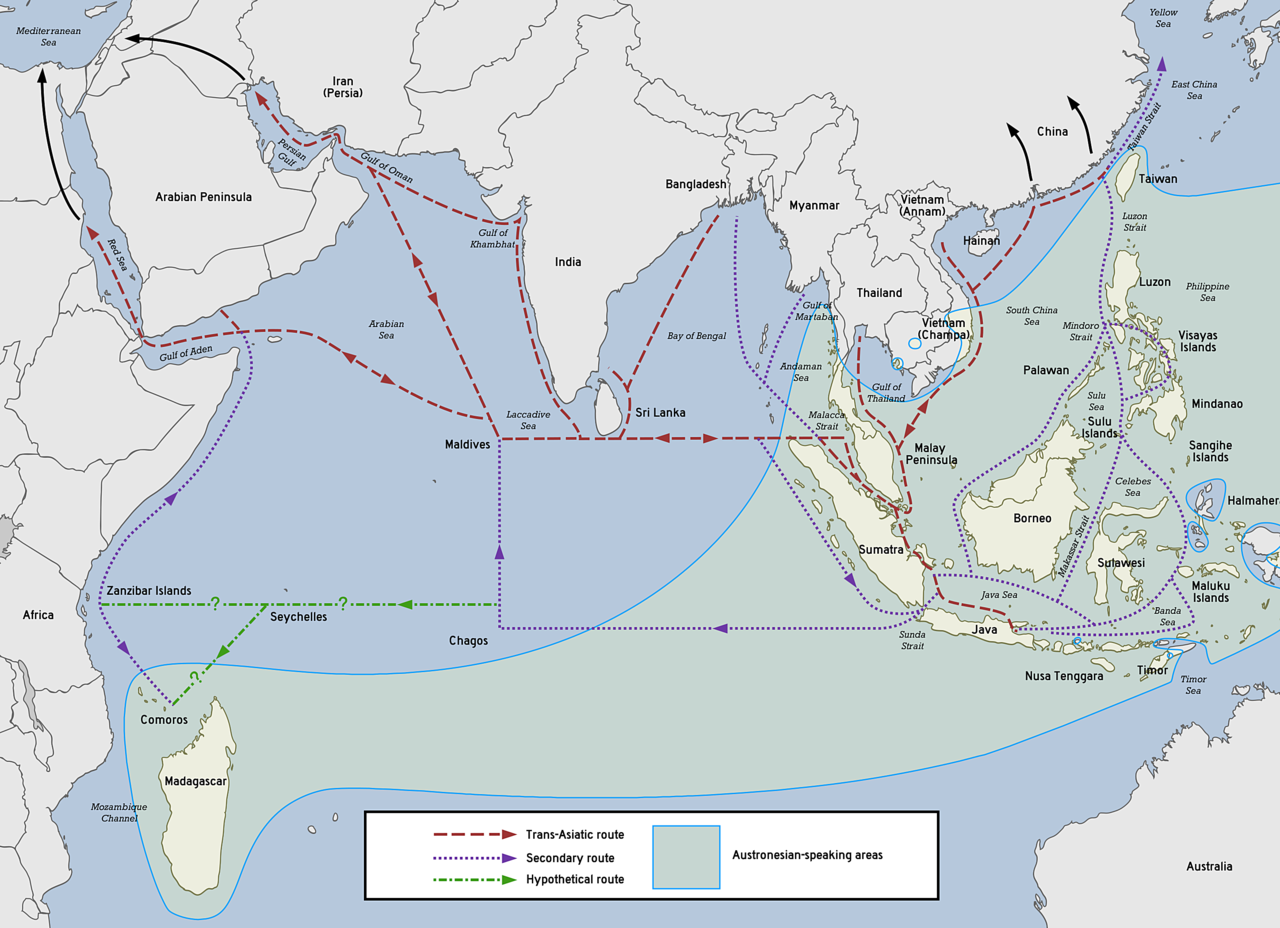
The region is characterized by sandy beaches, coral reefs and a chain of port towns and islands. Important historic settlements grew where monsoon winds made regular contact with sailors from the Arabian Peninsula, Persia, India and beyond. Many of these settlements developed into independent city-states focused on maritime commerce rather than large inland empires.
Culture, language and religion
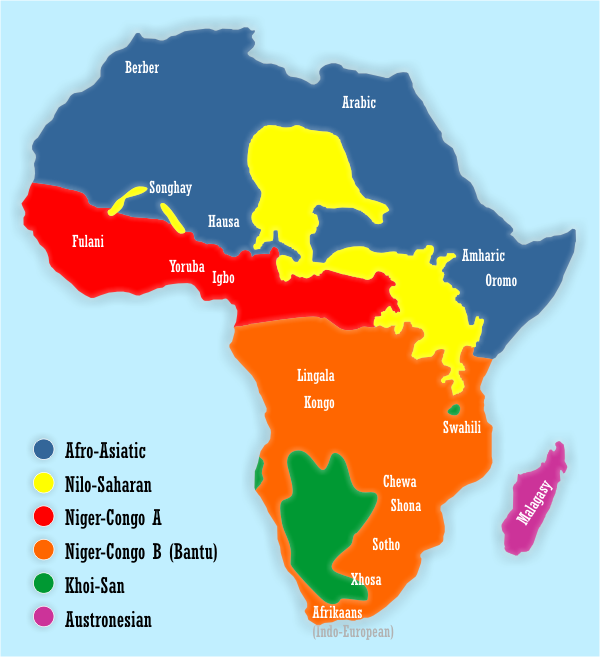
Swahili culture blends local Bantu foundations with significant influences from Arabic, Persian and Indian contacts. The Swahili language, a Bantu language with many loanwords, became a lingua franca of the Indian Ocean littoral. Most coastal communities adopted Islam centuries ago, which shaped religious life, legal custom and patterns of education.
History and trade
For many centuries the Swahili coast formed a corridor of trade linking Africa to the wider Indian Ocean world. Commodities such as gold, ivory, timber and later enslaved people left the inland for export; imported goods included ceramics, textiles and spices. Control and influence over coastal towns shifted among local elites, foreign settlers and later European colonizers, but the basic trading orientation remained a constant.
Architecture and heritage
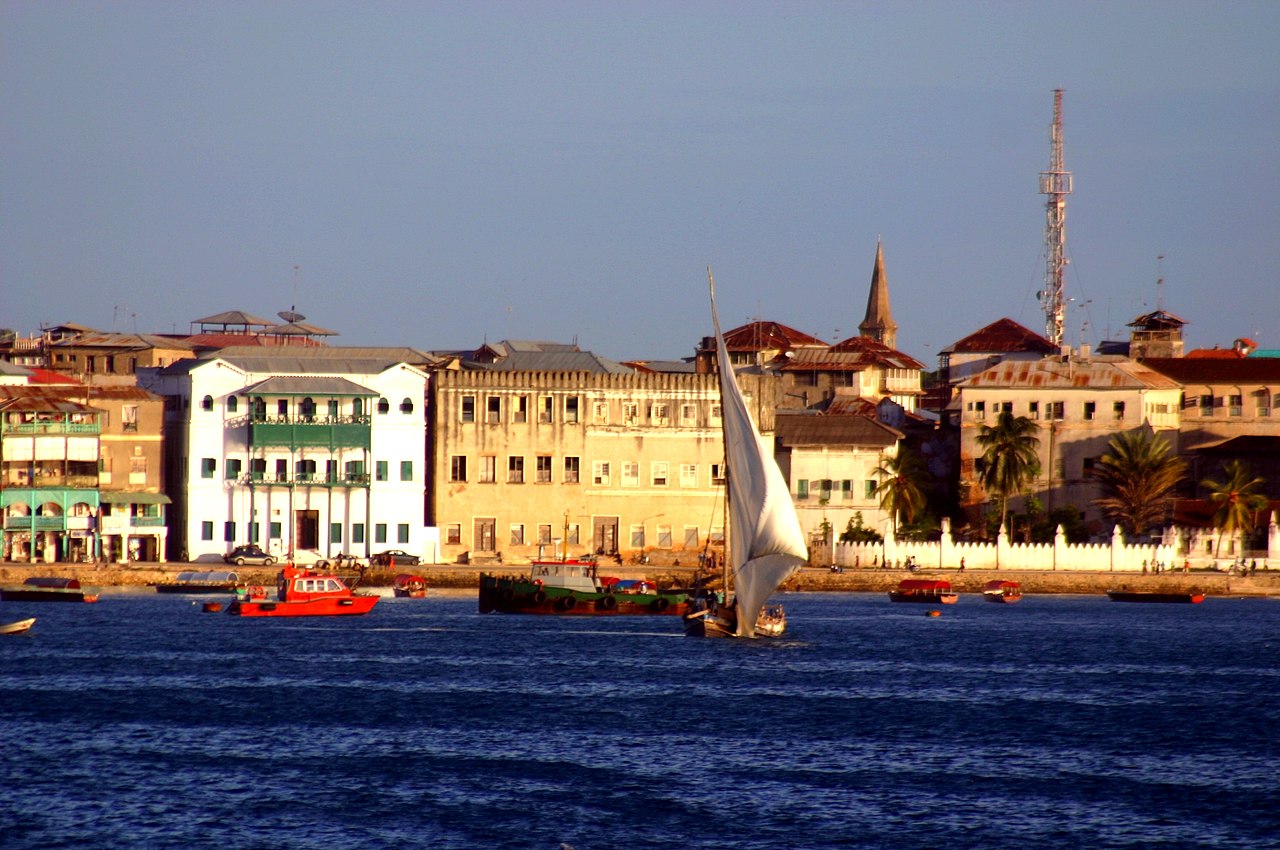
Coastal towns are noted for coral-stone architecture, narrow alleys and fortified houses. Stone towns and archaeological sites preserve ruins of mosques, tombs and trading complexes. Several Swahili towns have been recognized for their cultural significance and attract scholars and tourists interested in maritime history and urban archaeology.
Contemporary importance and distinctions
Today the Swahili coast remains important for fisheries, tourism and regional commerce. The Swahili identity is diverse: speaking the language and living in coastal towns are shared features, but there is no single homogeneous Swahili culture. The coast continues to be studied for its example of long-distance connectivity, hybrid cultural forms and its role in shaping East Africa's historic links with the Indian Ocean world.
- Notable places: Mombasa (Kenya), Dar es Salaam and Zanzibar (Tanzania), northern Mozambique ports.
- Islands often included: Zanzibar, Comoros, Pate and others.
Related articles
Author
AlegsaOnline.com Swahili Coast: History, Culture, and Maritime Trade of East Africa Leandro Alegsa
URL: https://en.alegsaonline.com/art/95401