
Southern American English
A broad group of related English dialects spoken across the U.S. South, noted for distinctive vowel patterns, grammar, vocabulary, and rich cultural history.
Overview
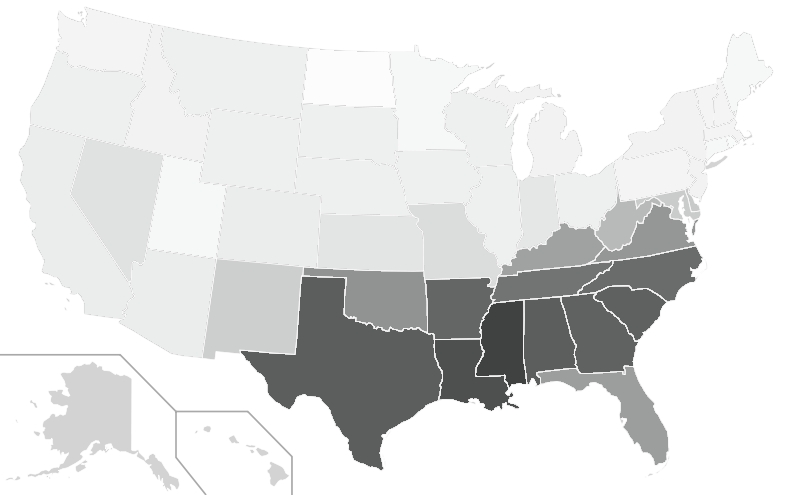
Southern American English is the collection of regional varieties of American English traditionally associated with the Southern United States. It can be described as a group of dialects within American English that share a number of phonetic, lexical and syntactic traits. The region commonly associated with these varieties is the U.S. South, although features appear in adjacent areas as well.
These speech patterns occur across a wide territory. Major areas include Alabama, Arkansas, Mississippi, Tennessee, Kentucky, North Carolina, South Carolina, Louisiana, Texas, Oklahoma, Georgia and parts of Florida. Historically and in some modern communities similar forms have been attested in states such as Illinois, Missouri, Nebraska, Iowa, Indiana, Ohio, and Kansas, and certain features extend into parts of the Mid-Atlantic.
Image gallery
3 Images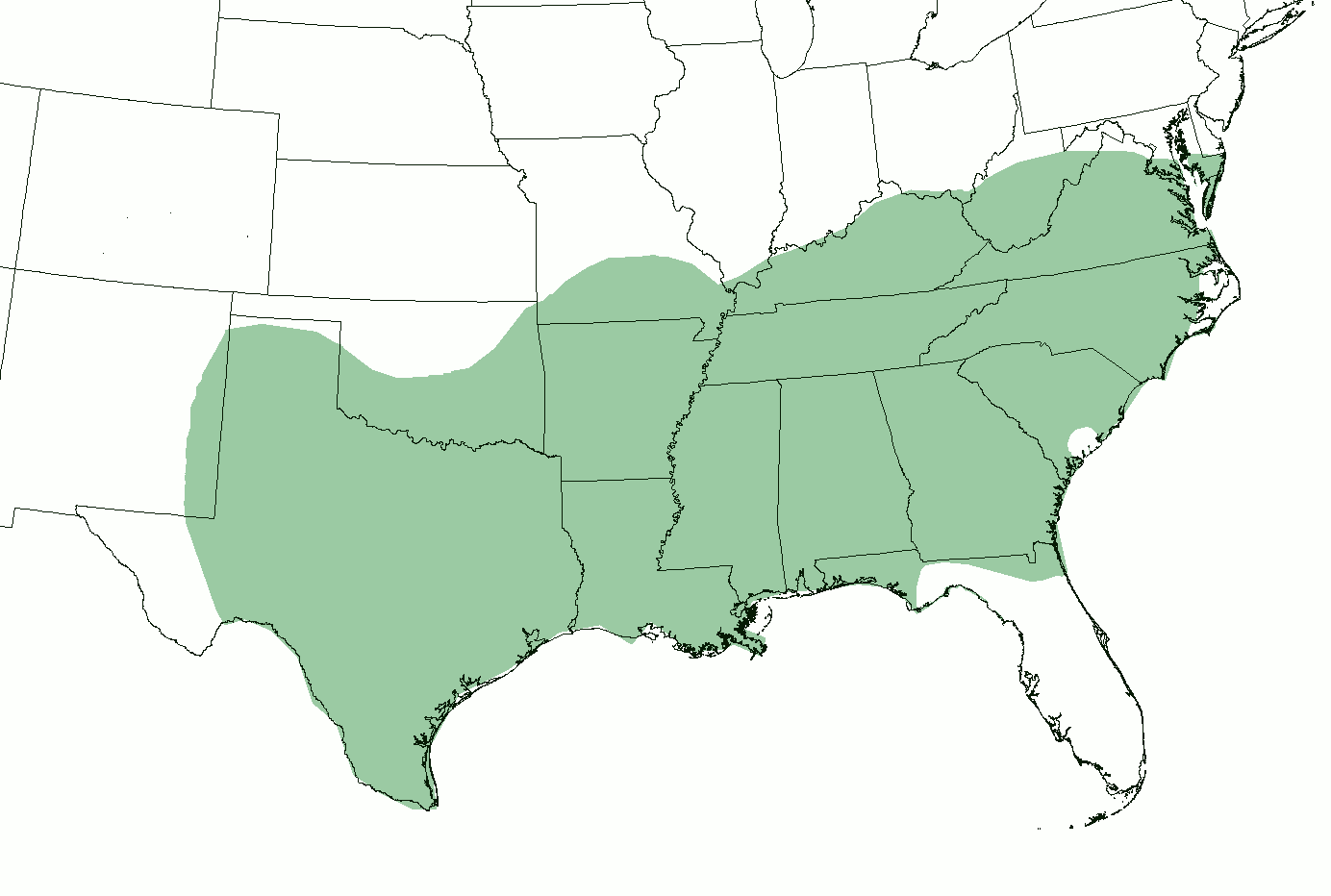

Key phonetic and grammatical features
Although there is no single "Southern accent," a number of commonly noted characteristics appear in many Southern varieties. These include:
- Monophthongization (often called glide deletion): diphthongs such as /aɪ/ in price may be realized as a steady vowel, producing what listeners perceive as a "drawl."
- Vowel breaking and the Southern Vowel Shift: a systematic rearrangement of vowel qualities that gives many Southern speakers their characteristic vowel shapes.
- Pin–pen merger: before nasal consonants, pin and pen sound the same for many speakers.
- Rhoticity variation: coastal and some urban varieties may show reduced /r/ pronunciation (non-rhoticity), while inland forms are often rhotic.
- Distinctive grammar and vocabulary: constructions such as fixin' to (about to), might could (a tentative ability), and items like y'all are widely recognized features.
Varieties and social distinctions
Southern American English comprises several recognizable regional types: Inland South, Coastal Southern (including many Lowcountry coastal forms), Texas and Gulf Coast varieties, and Appalachian speech, among others. African American speakers in the South often speak varieties that are part of or influenced by African American Vernacular English (AAVE); AAVE has features that are distinct yet have influenced and been influenced by other Southern varieties. Social class, urban vs. rural background, ethnicity and age all affect how strongly Southern features are expressed.
History and origins
The region's speech patterns developed from a mix of influences. Early English settlers from southern and western Britain, Scots-Irish migrants, and enslaved Africans and their descendants all contributed patterns of pronunciation, rhythm and grammar. Over time, internal developments such as the Southern Vowel Shift and contact between different speech communities produced the range of varieties heard today. Migration, urbanization and mass media have altered distribution and perception of Southern features, but many local traits remain resilient.
Cultural significance and perception
Southern speech has strong cultural resonance: it is associated with country music, the blues, literature and film, and it functions as an important identity marker. Public attitudes vary widely—some listeners stereotype Southern accents as rural or informal, while others embrace them as markers of hospitality or regional pride. Linguists study Southern speech both for its internal diversity and for the light it sheds on language change, contact, and identity.
Examples, usage and further reading
Common words and constructions you may hear include y'all, fixin' to, ain't, that there, and shortened or shifted vowel pronunciations in words like time or ride. For an introduction to regional maps, historical overviews and technical descriptions, consult resources and regional studies that document pronunciation, grammar and vocabulary changes across the South.
For additional context and regional maps see related entries and surveys via these links: dialect overview, national varieties, regional map, and state or regional pages for Alabama, Arkansas, Mississippi, Tennessee, Kentucky, North Carolina, South Carolina, Louisiana, Texas, Oklahoma, Georgia, Florida, Illinois, Missouri, Nebraska, Iowa, Indiana, Ohio, Kansas, and Mid-Atlantic contacts.
Related articles
Author
AlegsaOnline.com Southern American English Leandro Alegsa
URL: https://en.alegsaonline.com/art/92277
Sources
- aschmann.net : "North American English"