
Southern Cone (South America)
Geographic and cultural region of the southernmost part of South America, typically including Argentina, Chile and Uruguay and often parts of southern Brazil; definitions vary.
Overview
The term Southern Cone refers to the southernmost portion of South America, generally the area lying south of the Tropic of Capricorn. The name is used in English to translate the Spanish Cono Sur and the Portuguese Cone Sul. In common usage the Southern Cone denotes a group of countries and subnational regions that share similar temperate climates, economic patterns and historical links to European immigration.
Image gallery
10 Images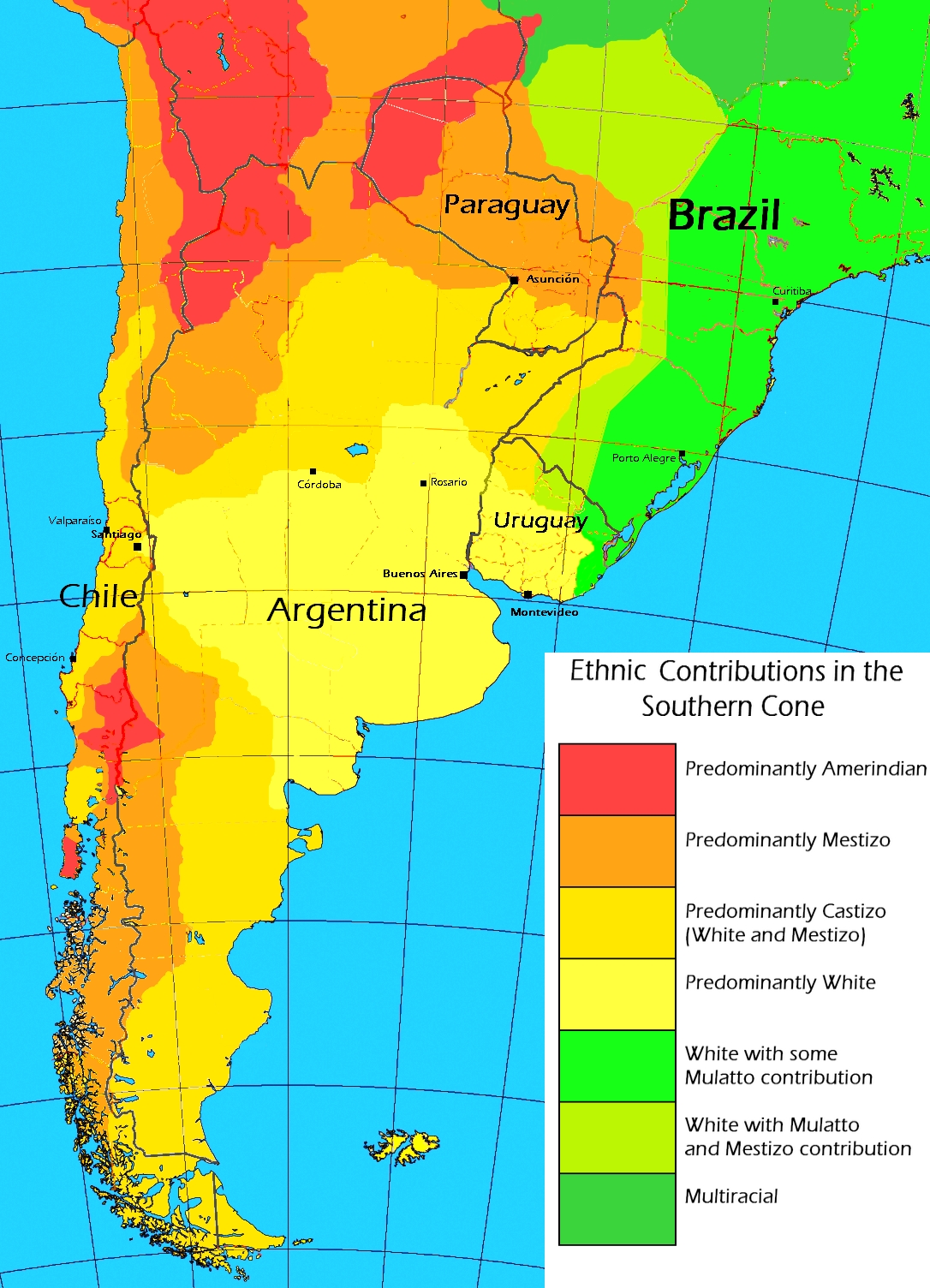



Typical composition and geography
Most definitions include all of Argentina, Chile and Uruguay. In Brazil the term usually applies to the three southernmost states and sometimes extends into parts of São Paulo state where cultural and economic traits align with the south. Geographically the region contains diverse landscapes: Andean ranges, temperate plains (the Pampas), Mediterranean-type zones, and long Pacific and Atlantic coastlines. Climatic conditions are generally cooler and less tropical than the Amazon basin and northern South America.
Society, economy and urbanization
Countries in the Southern Cone tend to exhibit higher urbanization and industrial development relative to many other South American areas. Major metropolitan centers such as Buenos Aires, Santiago and Montevideo concentrate population, services and manufacturing. The group shares certain socioeconomic features associated with higher per-capita incomes and longstanding agricultural exports, although internal disparities and rural areas remain important. Observers often point to common patterns of industrialization and urbanization, European cultural influences and comparable political trajectories in the 20th century.
History and cultural connections
The modern identity of the Southern Cone emerged through colonial settlement, waves of immigration from Europe in the 19th and early 20th centuries, and nation-building processes that shaped the region's languages, legal systems and urban cultures. Indigenous populations, mestizo communities and later immigrant groups contributed to a varied cultural landscape. Economic ties—trade in grains, beef, wine and minerals—helped knit the economies together, while political cooperation and rivalry have alternated across different eras.
Variations in definition and borderline cases
Definitions of the Southern Cone are not fixed. For geographic reasons some maps and analysts also include Paraguay and southern parts of Bolivia, though these areas often differ in climate, economic structure and demographic composition from the core three countries. Scholarly, political and popular uses of the term emphasize different criteria: physical geography, economic indicators, cultural affinity or administrative convenience.
Importance and distinguishing features
- Shared temperate climates and agricultural productivity in many areas.
- High concentration of urban population and key regional capitals.
- Significant role in continental trade, finance and cultural exchange.
The Southern Cone remains a useful regional label for comparing development, climate and history within South America, even as its precise borders and membership can shift depending on the context and criteria applied.
Related articles
Author
AlegsaOnline.com Southern Cone (South America) Leandro Alegsa
URL: https://en.alegsaonline.com/art/92285
Sources
- ibge.gov.br : "Estimativas populacionais 2008"