
Southern Carpathians (Transylvanian Alps)
A major southern sector of the Carpathian Mountains in Romania, noted for high peaks, glacial landscapes, biodiversity, protected parks and historic mountain passes.
Overview: The Southern Carpathians, often called the Transylvanian Alps, form a compact set of high mountain ranges in south-central Europe. In Romanian they are known as Carpaţii Meridionali. Geographically they are a group of mountain ranges that belong to the broader Carpathian Mountains system and act as a natural divide between parts of Romania and, toward their western margins, areas adjacent to Serbia.
Image gallery
10 Images


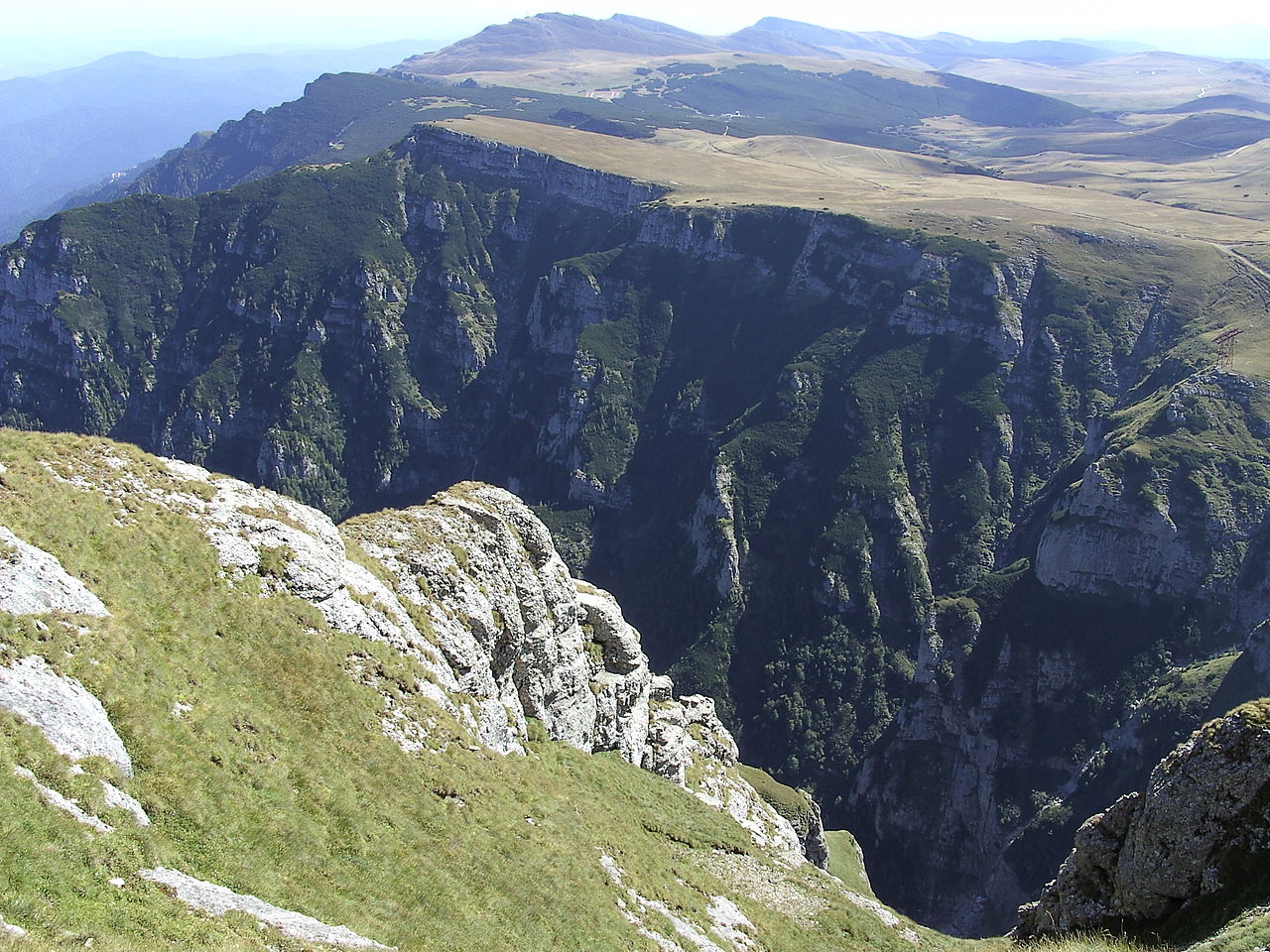


Geography and boundaries
The ranges extend approximately between the Prahova River in the east and the Timiş and Cerna rivers in the west. To the south they are bordered by the Balkan mountain regions of the wider area. The massif contains a series of parallel ridges and deep valleys, carved by glaciation and river erosion, which separate Transylvania to the north from lower Romanian regions to the south.
Characteristics and notable summits
Peaks in the Southern Carpathians are among Romania’s highest. The Făgăraș Mountains host the tallest summits, including Moldoveanu and Negoiu, which are well known destinations for mountaineers. The terrain ranges from rugged granite and crystalline cores to alpine meadows and cirque lakes at higher elevations.
Biodiversity and protected areas
These mountains are important for wildlife and plant diversity. Large tracts remain forested and host populations of brown bear, wolf and chamois, along with numerous bird species. Several national parks and reserves protect rare habitats and glacial lakes; Retezat and parts of the Făgăraș and Parâng massifs are prominent conservation areas with marked hiking trails and scientific interest.
Human use, culture and history
Human presence in the Southern Carpathians spans pastoralism, forestry and more recently tourism. Traditional mountain villages and seasonal shepherding persist in many valleys. Historic mountain passes have long linked the interior plateau of Transylvania with southern regions, shaping trade and strategic movements over centuries. Today the area is popular for hiking, climbing, winter sports and nature study.
Distinctions and significance
- Regional name: frequently called the Transylvanian Alps in travel and mountaineering literature.
- Geological history: formed during the Alpine orogeny and featuring both crystalline and sedimentary formations.
- Conservation importance: home to Romania’s highest mountain protected areas and diverse alpine ecosystems.
For more detailed maps, trail guides and protected-area information consult local resources and national park authorities or the linked regional references: Romanian name and sources, range descriptions, Romania, Serbia, Carpathian context and adjacent Balkan ranges.
Related articles
Author
AlegsaOnline.com Southern Carpathians (Transylvanian Alps) Leandro Alegsa
URL: https://en.alegsaonline.com/art/92282