
Southern California: region, counties, economy, history, and environment
Overview of Southern California: geography, principal counties and cities, economy, historical development, and environmental challenges in the densely populated southern portion of California.
Overview
Southern California is the populous region of California centered on the greater Los Angeles and San Diego metropolitan areas. Definitions vary, but most usages include the coastal urban corridor, the valleys and mountains inland, and the desert zones. The territory commonly called the Inland Empire includes cities and suburbs around San Bernardino and Riverside. More than twenty million people live in the region, making it one of the largest population centers in the United States.
Image gallery
10 Images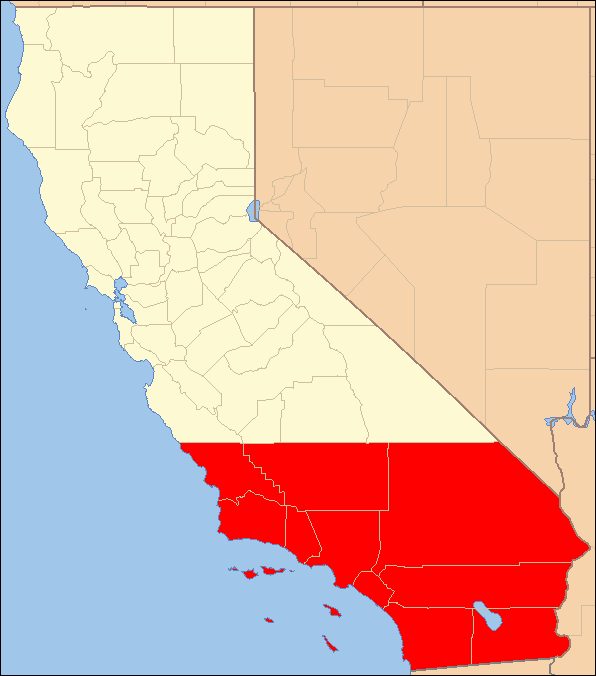



Counties and geography
The region spans a mix of coastal plains, coastal ranges, inland valleys, and desert basins. Administratively it is divided among several counties, each with distinct landscapes and roles in the regional economy. Major counties commonly considered part of Southern California include:
- Imperial County
- Kern County
- Los Angeles County
- Orange County
- Riverside County
- San Bernardino County
- San Diego County
- San Luis Obispo
- Santa Barbara County
- Ventura County
Coastal counties host dense urban development, while inland areas include agricultural valleys and parts of the Mojave and Colorado deserts. Mountain ranges such as the San Gabriel and Transverse Ranges influence climate, runoff, and habitat patterns.
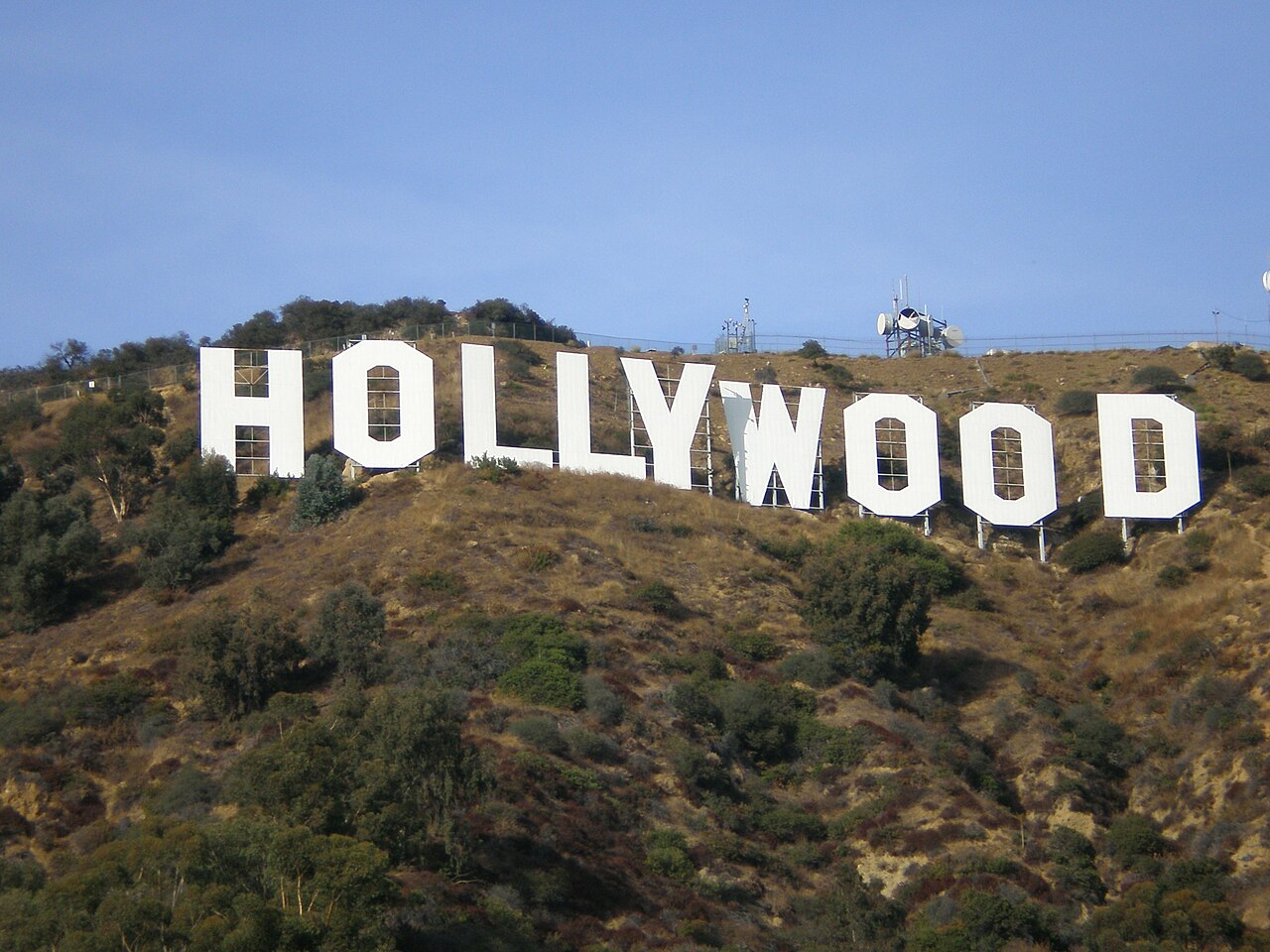
Economy and culture: Southern California is economically diverse. Entertainment and media centered in and around Los Angeles are globally influential, while San Diego is noted for research, biotechnology, and a significant military presence. The inland counties supply agriculture, warehousing and logistics, and growing residential communities. Ports, airports, higher education institutions, and tourism all play major roles.
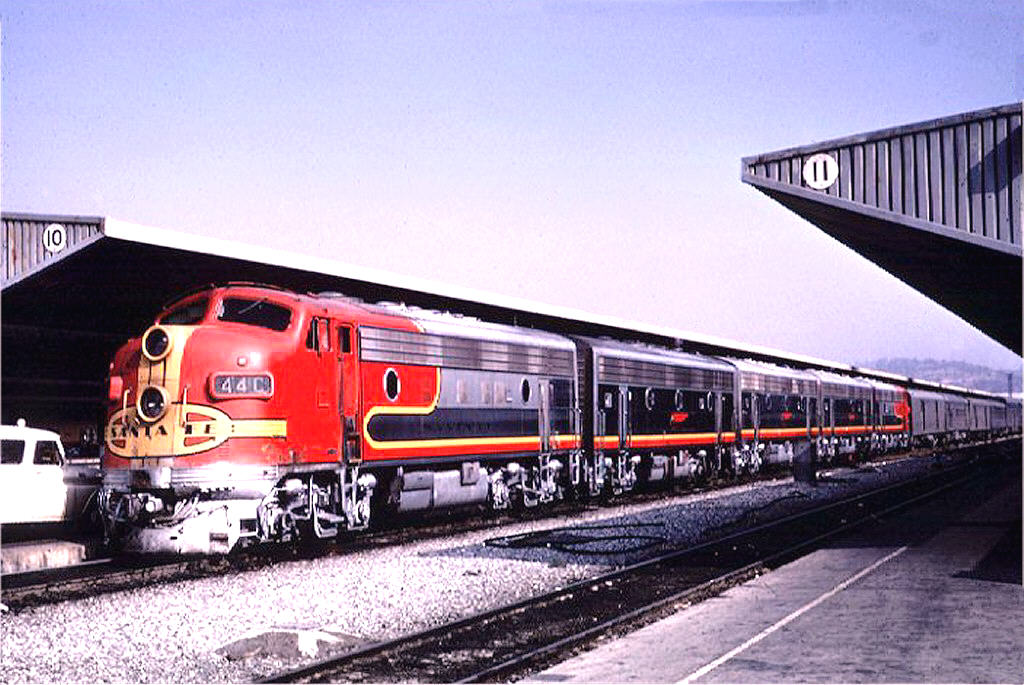
History and development: The area has long been inhabited by Indigenous peoples, followed by Spanish exploration, mission settlements, and later Mexican and American governance. Rapid growth in the 20th century was driven by railroads, the oil industry, aerospace and defense, and postwar suburbanization, transforming small towns into metropolitan regions.
Transport, environment and distinctions: A dense network of freeways, rail corridors, and major seaports connects the region internally and to global trade routes. Southern California faces particular environmental challenges: water management across arid and semi-arid landscapes, air quality in urban basins, and a wildfire cycle that affects foothill and chaparral ecosystems. Definitions of the region's boundaries differ by context—cultural, economic or administrative—but the area's influence on national media, commerce and migration is widely recognized.
For further reading on administrative details, demographics, and planning efforts see regional sources and county materials linked above.
Related articles
Author
AlegsaOnline.com Southern California: region, counties, economy, history, and environment Leandro Alegsa
URL: https://en.alegsaonline.com/art/92281