
Southern Europe
Southern Europe is the southernmost part of the European continent, encompassing the Mediterranean-facing peninsulas, islands and coastal states with shared climate, history and cultural links.
Overview
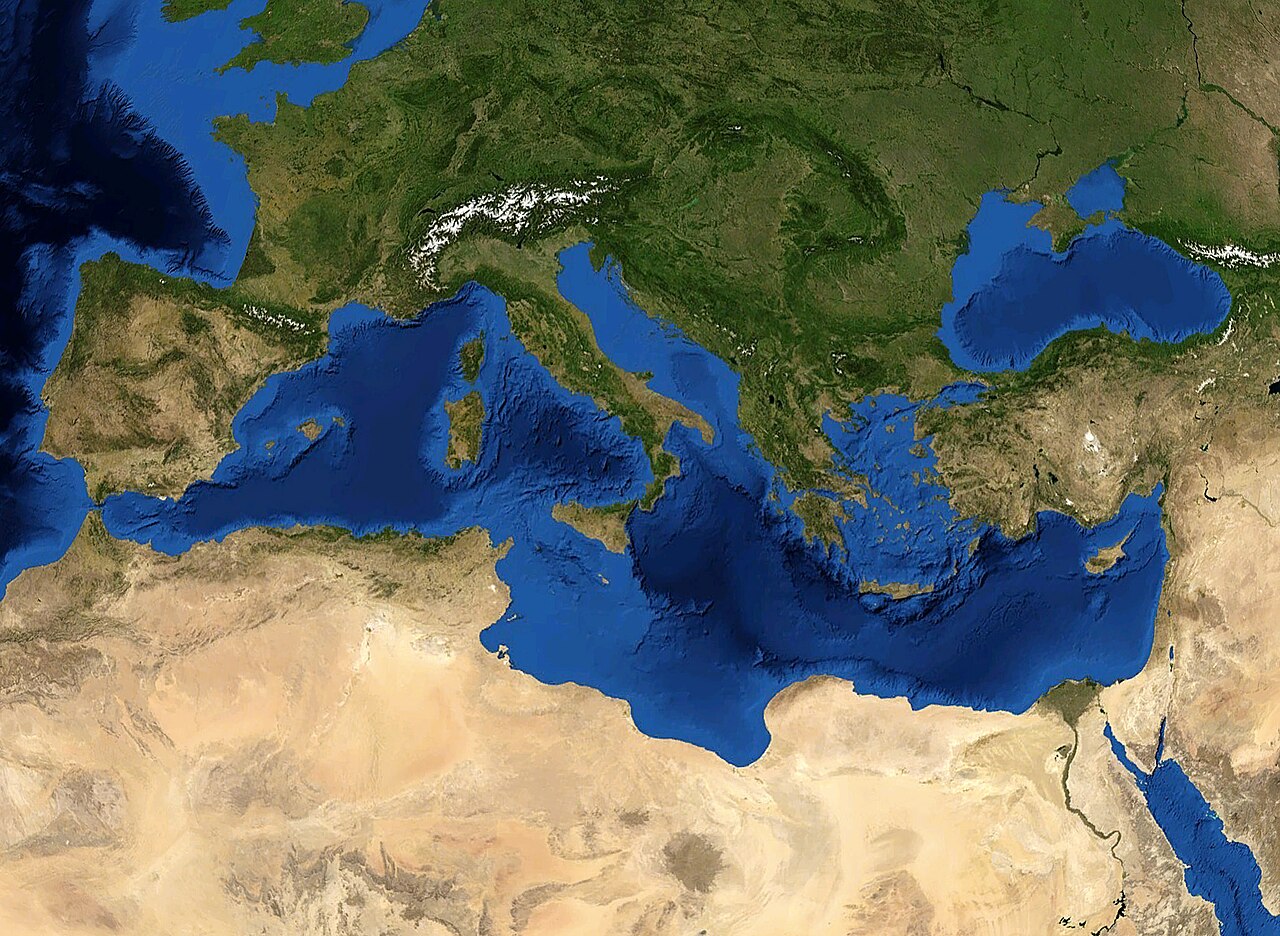
Southern Europe is commonly used to describe the southern portion of the European continent and refers to a broadly defined region with strong Mediterranean connections. Geographically it includes the long coastlines, major peninsulas and nearby islands that face the Mediterranean Sea. Political and cultural definitions vary, but the area is often discussed together because of similar climates, long histories of cross‑Mediterranean exchange and related economic activities.
Image gallery
10 Images



Geography and main areas
The region centers on three prominent peninsulas: the Iberian Peninsula, the Italian Peninsula and the Balkan Peninsula. These landforms produce extensive coastlines, numerous islands and transitional zones into central and eastern Europe. Important states and territories ordinarily associated with Southern Europe include:
- Spain and Portugal on the Iberian Peninsula
- Italy and the Mediterranean islands clustered around it
- Greece, along with the many Aegean and Ionian islands
- Smaller states and island nations such as Malta and Cyprus
- Adriatic and eastern Mediterranean coastal countries such as Croatia and Slovenia, and Mediterranean parts of France
Climate, landscape and biodiversity
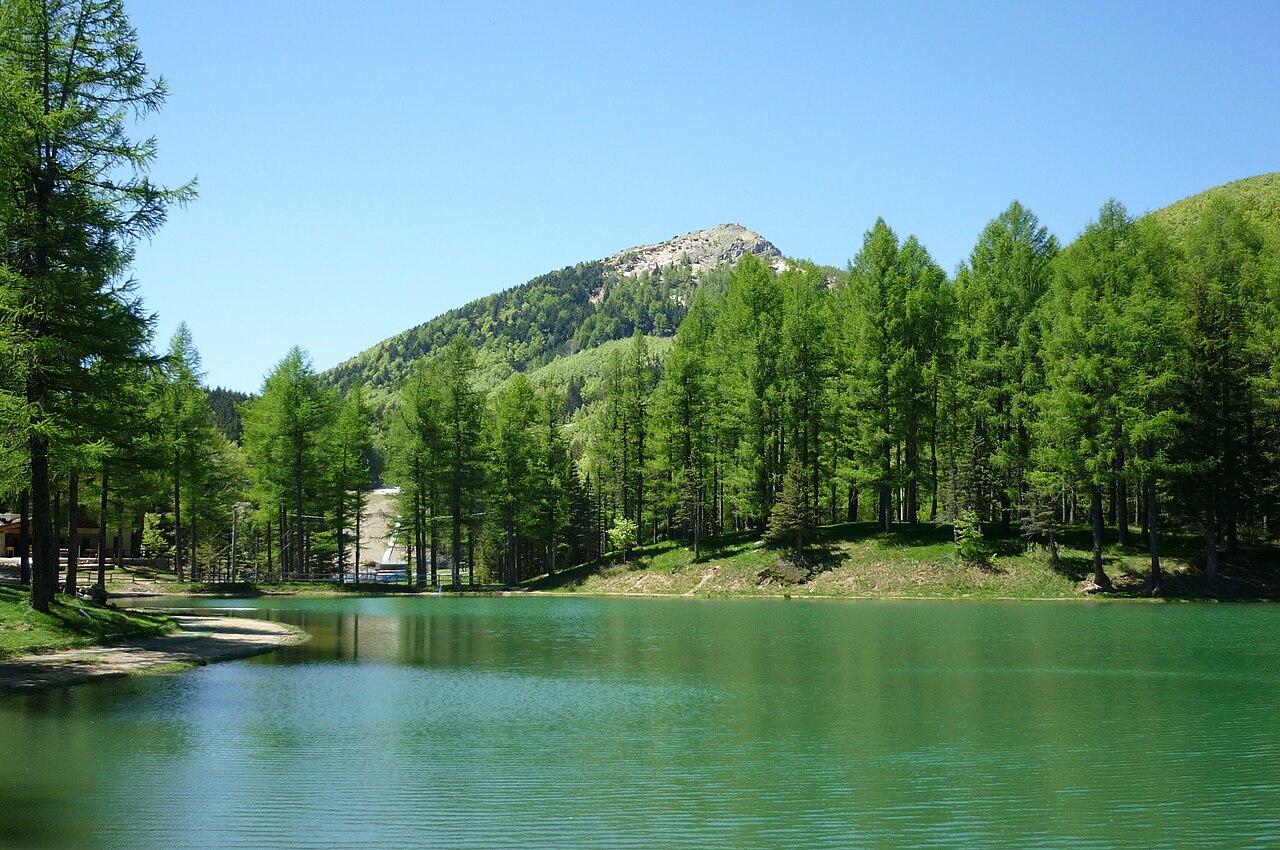
Much of Southern Europe experiences the Mediterranean climate: dry, warm summers and mild, wetter winters. Landscapes range from rocky coasts, sandy beaches and agricultural plains to mountain chains such as the Pyrenees and the Apennines. The combination of climate and varied terrain supports distinctive ecosystems, long-established olive and grape cultivation, and a high level of biodiversity in coastal and island habitats.
History, language and culture
Historically the region was a crossroads of civilizations—classical Greece, the Roman world, medieval maritime republics and later Mediterranean trade networks shaped languages, law, architecture and arts. Romance and Hellenic languages are prominent, and the area is famous for cultural exports such as cuisine, music, literature and religious traditions that have influenced wider Europe and beyond.
Modern political and economic notes
In contemporary politics some definitions of Southern Europe are used for administrative or policy groupings. For example, within the context of the European Union a number of southern member states are often discussed together for regional policy and economic matters. Tourism, agriculture, shipping and services are major economic drivers, while the region faces shared challenges such as seasonal economic dependency, water management and adapting to climate change.
Distinctive traits and regional identity
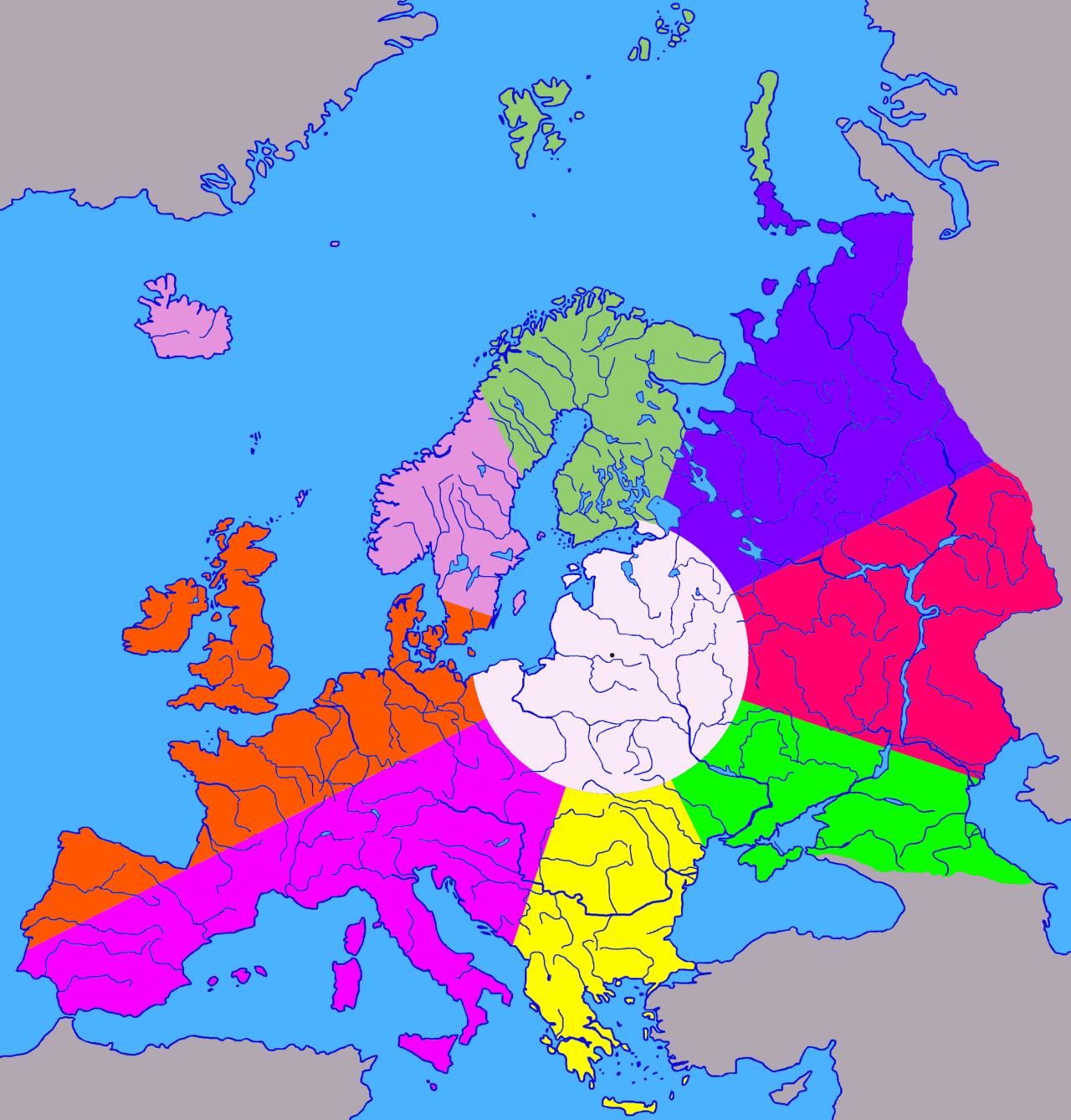
Southern Europe is not a single uniform entity: it includes diverse languages, historical experiences and economic conditions. Yet the shared Mediterranean orientation—coastal trade, similar climate, diet and long historical ties—creates a set of common references used by geographers, historians and policymakers when distinguishing the southern part of the European continent from its central, northern and eastern neighbors.
Questions and answers
Q: What countries are considered part of Southern Europe?
A: Southern Europe includes Spain, Portugal, Italy, Greece, and all northern Mediterranean countries of the European continent.
Q: What are the three main peninsulas in Southern Europe?
A: The three main peninsulas in Southern Europe are the Iberian Peninsula, the Italian Peninsula, and the Balkan Peninsula.
Q: What is the official definition of Southern Europe?
A: The official definition of Southern Europe includes the Iberian Peninsula, the Italian Peninsula, and the Balkan Peninsula.
Q: Which countries officially belong to the Group of the South in a European Union context?
A: In a European Union context, Portugal, Spain, France, Italy, Malta, Greece, Cyprus, Croatia, and Slovenia officially belong to the Group of the South.
Q: Are all northern Mediterranean countries part of Southern Europe?
A: Yes, all northern Mediterranean countries of the European continent are considered part of Southern Europe.
Q: What is the significance of being part of the Group of the South?
A: Being part of the Group of the South in a European Union context means that a country is a member of a regional subgroup within the EU and may have certain shared interests and policies with other countries in this subgroup.
Q: What is the importance of Southern Europe in Europe?
A: Southern Europe is an important region in Europe due to its cultural diversity, historical significance, and economic contributions, particularly in industries such as tourism, agriculture, and manufacturing.
Related articles
Author
AlegsaOnline.com Southern Europe Leandro Alegsa
URL: https://en.alegsaonline.com/art/92291